









1. Introduction: A Bowl of Warmth in the Middle of the Night
Forget sushi and ramen for a moment.
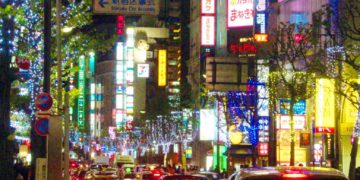
When the temperature drops and the city quiets down, Japan’s true soul food rises in a pot of dashi broth—oden.
Served in izakaya, convenience stores, and street stalls, oden is a slow-simmered mix of daikon, boiled eggs, fish cakes, tofu, and surprises—each bite soaked in umami, nostalgia, and heat.
After midnight, it hits different.
Whether you’re tipsy in Shinjuku or alone in Osaka’s alleys, this humble dish becomes a night ritual.
2. What Is Oden? A Quick (and Steamy) Guide
Oden is not a single dish—it’s a collection of ingredients slowly simmered in soy-based broth, each absorbing the flavor like memory.
| Ingredient | Description |
|---|---|
| Daikon | Thick-cut radish, tender & juicy |
| Tamago | Boiled egg with soy-infused yolk |
| Chikuwa | Tube-shaped grilled fish cake |
| Konnyaku | Jiggly yam cake, nearly zero calories |
| Atsuage Tofu | Deep-fried tofu, soft inside |
| Ganmodoki | Fried tofu fritter with veggies |
| Mochi Kinchaku | Mochi rice cake inside a tofu pouch |
Flavor depends on region—lighter broth in Kansai, darker and saltier in Kanto.
The longer it simmers, the deeper it gets.
3. Why Oden Hits Harder at Night (Especially in Winter)
Like ramen, oden thrives in Japan’s nighttime food culture. But it offers something different:
- No slurping
- No rush
- Just slow bites, steam, and silence
It’s comfort food for grownups, best enjoyed when the world is tired and cold.
At 2AM, your senses crave warmth and salt.
Oden gives you that—and more. It gives you a feeling of being taken care of.
4. Where to Eat Oden After Dark: From 7-Eleven to Street Stalls
🏪
Convenience Store Oden
- Available nationwide in winter (usually September–March)
- 7-Eleven, Lawson, FamilyMart: choose from hot pots near the register
- Cheap, surprisingly good, and open 24/7
- Just grab a container, use tongs, and pay per item (¥80–150 each)
🍶
Standing Bars (Tachinomi) & Corner Shops
- Local favorites, usually with 5–10 seats or standing only
- Offer oden alongside sake, beer, and casual conversation
- Tokyo hotspots: Kanda, Akabane, Monzen-Nakacho
- Osaka gems: Tenma, Shinsekai, Juso
🚚
Yatai (Food Stalls)
- Rare but magical: oden stalls on wheels
- Best found in Fukuoka, Hakata, Nagasaki, or rural towns
- Look for lanterns and rising steam at intersections
- Expect cozy seating and lots of locals
5. How Locals Eat Oden (and What to Drink With It)
Oden is usually eaten slowly, piece by piece. Here’s how to do it like a local:
- Ask the staff: “Osusume wa nan desu ka?” (“What do you recommend?”)
- Use chopsticks, and let it cool a bit—it’s hot!
- Dip in karashi (spicy mustard) or yuzu kosho for extra punch
- Pair with warm sake, shochu, or even beer
Locals often order 3–5 items at a time, starting with daikon or tofu, ending with heavier pieces like mochi or ganmodoki.
💡 Pro tip: Ask for “oden dashi” in a cup—it’s the broth, and it’s heavenly.
6. Regional Styles & Seasonal Variants
Japan’s oden isn’t one-size-fits-all.
Different regions add their own flair—both in ingredients and attitude.
🟨 Kanto (Tokyo):
- Dark soy-based broth, stronger flavor
- Includes hanpen (fluffy white fish cake) and gobo-maki (burdock rolls)
🟩 Kansai (Osaka/Kyoto):
- Lighter, clear dashi made from kombu and bonito
- More refined taste; tofu and konnyaku are common
🟥 Kyushu (Fukuoka/Nagasaki):
- Bold, sometimes pork-infused broth
- Features unique items like beef tendon (gyusuji) and cabbage rolls
🌀 Seasonal Specials:
- Winter: daikon, mochi kinchaku
- Autumn: pumpkin slices, shiitake
- Some high-end izakaya offer truffle oden or foie gras versions
💡Tip: Some stalls even serve cold oden in summer, a rare but refreshing twist.
7. Deep Night Oden Spots: Tokyo, Osaka, Fukuoka
Want the best bowls after midnight? Skip the guidebooks—go here:
🗼 Tokyo
- Oden Dokoro Nabehei (Shimbashi) Traditional standing bar; cheap, authentic, and open until 2AM
- Yurakucho Gado-shita Alley Under-the-tracks izakaya culture with killer oden and cheap sake
🌀 Osaka
- Udonya Kisuke (Umeda) Oden counter attached to a late-night udon shop
- Ajino Hamadaya (Tenma) Historical standing bar with Osaka-style light dashi
🎋 Fukuoka
- Yatai Kenzo (Nakasu) Steamy oden on a mobile cart, right by the river
- Tenjin Underground Food Court Hidden basement full of late-night soul food, oden included
Most of these places stay open until 3–5AM, and attract chefs, bartenders, taxi drivers, and curious travelers.
8. Safety, Etiquette & Language Tips for Foreigners
🛡️ Safety:
- Oden spots are generally safe and solo-friendly, even for women
- Avoid overly aggressive street touts in nightlife districts
- Follow the locals—if there’s a line, it’s probably gold
🗣️ Language Tips:
- “Oden kudasai” – I’d like oden, please
- “Daikon to tamago onegaishimasu” – Radish and egg, please
- “Osusume wa?” – What do you recommend?
🧼 Etiquette:
- Eat quietly and don’t linger too long at standing bars
- Always say “gochisousama deshita” (thank you for the meal) when you leave
- Don’t double-dip in shared mustard trays!
💡 Bring cash. Many oden stalls don’t accept credit cards.
9. Why Oden Is More Than Just Food
Oden is cultural memory simmered in broth.
It reminds locals of:
- Their childhood
- Late nights with friends
- Quiet moments after heartbreak
- Or the warmth of strangers who share a small counter on a cold night
It’s often the first thing new couples eat together after a date, and sometimes the last thing a lonely salaryman eats before quitting his job.
You can’t mass-market that kind of meaning.
You just have to eat it—and feel it.
10. Final Thoughts: The Most Soulful Dish You Didn’t Expect
Oden won’t make it onto most travel bucket lists. It doesn’t come with flash or fanfare.
But if you find yourself out late in Tokyo, tipsy in Osaka, or wandering alone in Fukuoka—step into the steam.
Order a few bites.
Breathe in the dashi.
Talk to no one—or everyone.
It might be the quietest, most profound moment of your trip.
Because in Japan, even a pot of broth can speak to your soul.