








Introduction: Embraced by Steam and Lantern Light
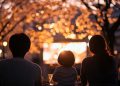
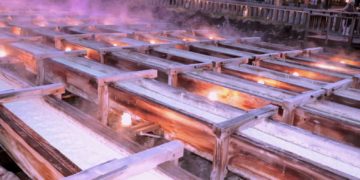
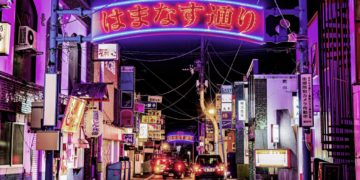
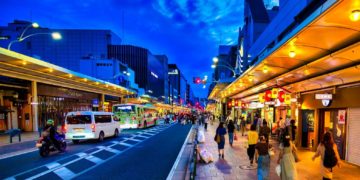
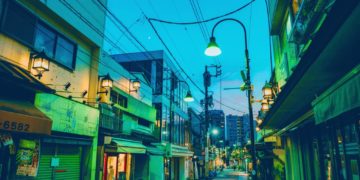
As the sun dips behind Japanese hills, onsen towns transform. Daytime laughter and lunchtime crowds fade. In their place arises another layer: a realm of lantern-lit canals, quiet yukata-clad promenades, and pools steaming under starlit skies. This is the magic of onsen towns after dark—enchanting, introspective, and softly illuminated.
Moving beyond the warm comfort of your ryokan, night in the onsen town opens up a world that daytime visitors rarely see. Here, you’ll find streets lined with traditional lanterns, izakayas offering piping-hot regional foods, and hidden footbath bars where you can sip sake while soaking your feet. Let’s take a closer look at the nocturnal soul of Japan’s hot spring towns.
1. The Shift from Day to Night in Onsen Culture
1.1 Lights Dim, Lanterns Glow
Across Japan, towns like Kinosaki, Beppu, Yufuin, and Shibu honor tradition with lantern-lined streets. As dusk settles, electric lights fade and soft lamps emerge. The shift signals time to ditch slides and switch to celebratory geta sandals, followed by gentle paths between bathhouses. You’ll hear the soft clip-clip of wood on stone, the distant sigh of steam, and a sense of calm you rarely experience elsewhere.
1.2 Post-Bath Relaxation Rituals
Day visitors often scramble between baths. At night, the pace changes. Wrapped in yukata, guests sip herbal tea or sample local sake in lounges. You’ll see people floating in chairs, reading quietly, comparing bath temperatures, or simply breathing in steam-heavy air. It’s a ritual: cleanse the body, calm the mind—and then walk the night.
2. Where to Wander: Scenic Nighttime Walks
2.1 Kinosaki Onsen’s Willow-Lit Canal
A highlight of Kinosaki Onsen, this canal weaves through seven bathhouses. By night, weeping willows and stone bridges are softly illuminated, creating scenes worthy of ukiyo-e prints. Baths close in the evening, but the towpath stays open—letting guests in yukata drift downstream, soaking in the quiet beauty.
If you’re lucky, you’ll hear the distant clunk of the local rickshaw wheels or the welcome greetings of guesthouse staff guiding nighttime arrivals.
2.2 Yufuin’s Mountain Silhouettes and Late Shopping
Yufuin’s approach to night is subtle—cottages, galleries, and cafes close early. But some artisan shops stay open past 7–8 PM, offering final custom pottery or local sweets. The mountains outside the town glow blue in moonlight, and audio-visual artisan events—live music or tea ceremonies—pop up unpredictably.
2.3 Shibu Onsen’s Lantern Paths and Stone Alleys
This Nagano gem, featured in Studio Ghibli whispers, is perfect for evening footbath and alley exploration. Stone-lined paths bear signs of hot water trailing down the stone walls, and small guesthouses open their doors to two-person footpools. As the lights glimmer, each turn feels like stepping into an animated dreamscape.
3. After-Bath Dining & Izakayas
Once bones are warmed, guests often crave deeper nourishment—local dishes you won’t get in a ryokan dinner.
3.1 Regional Cuisine at Night
- Hida beef in Takayama: Thinly grilled on ceramic plates, served alongside sake in lantern-lit stands.
- River fish in Kurokawa: Mountain trout skewered over charcoal near outdoor bathhouses.
- Hand-rolled soba in Shibu or Ginzan: Served by tatami seat, often open until 10:30 PM.
These dishes pair well with simple local sake—and the night ambience enhances every sip.
3.2 Friendly Izakayas and Mom-and-Pop Joints
Small bars open late—just one room with four seats and friendly owners serving hearty miso-kan and tempura. No English? No problem. Expect gestured pours, shared laughter, and an intimate connection to the place and people.
3.3 Yatai in Beppu and Kusatsu
In Beppu’s Kannawa district and Kusatsu’s central square, yatai stalls operate late. Expect udon, corn-on-the-cob, and karashi mentaiko (spicy cod roe). Grab a seat on milk-crate stools and chat with locals over cheap drinks.
4. Footbath Bars & Secret Soaking Spots
Your evening soak doesn’t have to end at the final onsen set. Some towns have secret or semi-secret spots that feed the soul—and toes.
4.1 Ashi-yu Cafés and Night Lounges
- Relaxed combos: footbath + hot tea, sake, or local herbal infusion.
- Sample spots:
- Yubune Café (Kusatsu): vinyl records + wooden stools + foot-lounge combo until 10PM.
- Happy Foot Bath Room (Yufuin): a private room and glass of umeshu while you soak.
4.2 Hidden Outdoor Onsen with Night Access
Scattered across Japan are lesser-known baths open after dark—the rinse pools behind Guesthouse-hosted secret rotenburo, for example. The key: ask locally. Look for old-style signs reading 「夜露天」 (night roten) or check with your ryokan host—they often hold the secret keys.
5. Romantic Ideas for Couples
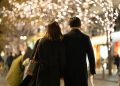
Nighttime in a hot spring town is arguably the most romantic experience Japan can offer. The silence, the steam, the wooden bridges glowing under lanterns—it all feels like a love letter to slow travel.
5.1 Yukata Night Photos & Rickshaw Rides
- Where to go: Willow-lined bridges, canal reflections, quiet cobbled streets.
- Pro tip: Ask your ryokan to help arrange a night rickshaw ride. In towns like Gero or Ikaho, drivers guide you through nostalgic paths under stars.
The result? Frame-worthy photos, old-time atmosphere, and memories that last long after the scent of sulfur fades.
5.2 Private Night Bath for Two
Most ryokan offer private onsen rentals (貸切風呂/kashikiri furo). At night, these baths become magical: warm water, cold air, and perfect stillness.
- How to book: Ask at check-in—slots from 7–10PM are popular.
- What to expect: Open-air stone baths, bamboo fences, and sometimes, unobstructed night skies.
Perfect for anniversaries, proposals, or just heartfelt silence together.
6. Onsen Town Night Etiquette & Safety
Peaceful nights require respectful behavior. Here’s how to fit in:
6.1 Noise, Attire, and Public Behavior
- Speak softly: Locals live here. Sound travels.
- Wear your yukata properly: Left over right (the opposite is for funerals).
- No loud music or public drinking: A quiet drink is fine—but don’t treat the town like a festival ground.
6.2 How to Walk in Geta or Yukata at Night
- Take short steps: Cobblestones are slippery and geta can catch.
- Dress warmly: In autumn and winter, layer under your yukata or bring a shawl.
The image of a softly bundled traveler under lanterns? That’s you—so walk with intention.
7. FAQs: Nighttime in Onsen Villages
| Question | Answer |
|---|---|
| Can I wear my yukata outside the ryokan? | Absolutely. It’s encouraged—especially in towns like Kinosaki or Shibu. |
| Are restaurants open late? | Most close by 9–10PM. Izakayas and yatai (food stalls) often stay open later. |
| Is it safe to walk alone at night? | Yes—onsen towns are among the safest places in Japan. |
| Are there baths only open at night? | Yes! Some secret rotenburo are night-exclusive. Ask your ryokan staff. |
| Can I take photos at night? | Yes—except in shared baths. Never photograph others inside onsen areas. |
8. Final Thoughts: Why the Night in Onsen Towns is the Most Magical Time
The charm of an onsen town isn’t just in the hot water—it’s in the ritual of slowing down.
At night, you’re not just visiting Japan. You’re participating in something old, slow, and real. Walking in soft slippers. Sipping sweet sake. Feeling your body relax with every step away from noise and speed.
Night in an onsen town is not about checking off places on a list.
It’s about forgetting the list entirely.