






The Allure of Pontocho Beyond Midnight
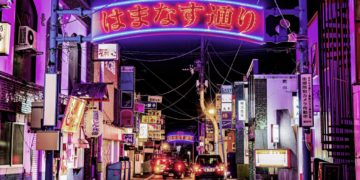
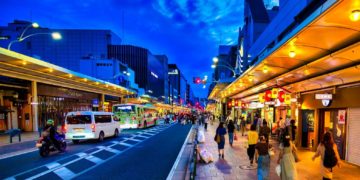
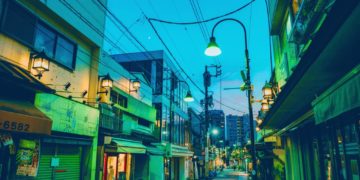
By day, Kyoto is a city of shrines and temples. But after dark—especially after midnight—another Kyoto emerges, delicate and elusive. Nowhere is this more evident than in Pontocho, the slender alleyway that runs parallel to the Kamo River. Lined with centuries-old machiya townhouses, paper lanterns, and discreet wooden doors, Pontocho invites curiosity but does not shout for attention.
After tourists retreat and dinner services wrap up, the street slips into a slow, glowing silence, pierced only by the occasional clink of glass or the soft chatter of regulars. This is Kyoto at its most intimate—a nightlife for those who seek beauty, quiet, and mystery rather than booming speakers and flashy signage.
A Historical Snapshot of Pontocho
Pontocho has existed since the 16th century as part of Kyoto’s pleasure district culture. Nestled between Shijo-dori and Sanjo-dori, the alley once hosted traditional tea houses, geisha performances, and high-end dining known as kaiseki.
Over the centuries, Pontocho developed a reputation not just for entertainment, but for elegant discretion. It still houses real geisha and maiko, though many venues today are high-end cocktail bars and boutique restaurants. After midnight, the businesses that remain open are not the flashy kind—they are spaces of ritual, quiet social exchange, and deeply layered ambiance.
Understanding the Unwritten Rules of Pontocho Nightlife
Unlike Tokyo’s loud and expressive bar zones, Kyoto’s nightlife is subtle, quiet, and filled with cultural nuance. Walking down Pontocho feels like entering a stage where the performance is already in progress—and you’re expected to know your cues.
“Ichigen-san Okotowari” – The One-Time Visitor Dilemma
This phrase roughly means “first-time guests not accepted.” It can feel exclusionary, but it’s rooted in trust and community. Some venues only admit guests who are introduced by regulars to preserve ambiance and safety. However, this doesn’t mean the whole alley is off-limits.
Many refined yet welcoming bars have quietly opened their doors to outsiders—if approached respectfully.
Cultural Do’s and Don’ts in Traditional Venues
- Dress neatly: Smart casual at minimum. Avoid sandals or tank tops.
- Speak softly: Loud voices are frowned upon.
- Don’t bar-hop aggressively: It’s not the Tokyo model—savor the space.
- Don’t take photos without asking: Especially not of staff or performers.
- Respect space: A nod and a soft “Konbanwa” goes further than flashy greetings.
Entering Exclusive Spaces: Tips for First-Timers
You don’t need an inside connection to experience Pontocho, but there are smart ways to unlock its finer experiences.
Reservation Strategies That Work
- Hotel concierges: Top hotels in Kyoto maintain trusted relationships with venues in Pontocho.
- Guided nighttime food tours: Some include access to “hidden” places.
- Early visits: Showing up early and politely inquiring can sometimes win entry.
How to Spot Tourist-Friendly vs. Local-Only Establishments
- English menus near the entrance: A good sign of tourist accommodation.
- Open wooden doors vs. closed sliding doors: Open = casual or inviting; closed = exclusive or full.
- No signage = probably invite-only or legacy venue.
Best After-Hours Bars in Pontocho – Curated Picks
Even after 11 PM, Pontocho has a quiet but enduring pulse. Here are three places where the lanterns don’t go out early:
Gion Niti
- Style: Minimalist cocktail lounge
- Why go: Understated design, seasonal ingredients, whisper-level conversation
- Tip: Ask for their yuzu gin & tonic—crafted with local citrus and handmade tonic
Bar K6
- Style: Whisky & jazz bar
- Why go: Extensive Japanese whisky collection, open late
- Tip: Sit at the counter for best sound and bar chat
Moon Walk Pontocho
- Style: Retro, foreigner-friendly
- Why go: Every drink is ¥500, no cover, casual atmosphere
- Tip: Go on weeknights to avoid crowds and get a seat by the window
Beyond the Bar – Experiencing Kyoto’s Nocturnal Elegance
Late Night Walks Along the Kamo River
The Kamo River, which runs just beside Pontocho, offers a stunningly peaceful contrast to the city’s daytime bustle. After midnight, the riverside paths are nearly empty, lit only by the faint glow of city reflections and paper lanterns.
Take a drink to-go and sit on the riverbank. Watch the moonlight on water. This is what locals do when the bars close—slow time, Kyoto-style.
Spotting Geisha Returning from Engagements
If you stay quiet near the southern end of Pontocho or Gion Kobu, you may catch glimpses of maiko or geiko returning from their appointments—always accompanied, always silent. Don’t follow, don’t film—just observe with humility.
Dining Late: Where to Eat in the Wee Hours
Unlike Tokyo, Kyoto’s late-night dining is limited—but not impossible.
Yakiniku Hiro Pontocho
- Open until 2 AM
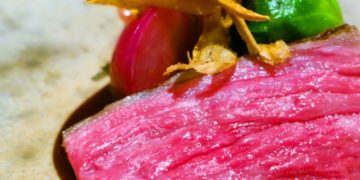
- Premium wagyu grilled tableside
- Great for a hearty final meal
Ramen Muraji
- Light chicken white broth with yuzu
- Hidden behind a wooden gate in the alley
- Comforting, stylish, and delicious
Safety, Access, and Insider Hacks
Best Times to Visit and How to Blend In
- Best nights: Weekdays (Mon–Thu) are quieter, more intimate
- Best time: After 10 PM, post-dinner crowd thins
- Dress: Smart, dark tones
- Speech: Low and polite, with soft greetings like “Sumimasen” and “Arigatou gozaimasu”
Solo Travel Friendly? Absolutely.
While some bars prefer group patrons, many small venues love solo guests—you take up less space and are easier to host. Look for single counter stools or bar-only formats like Gion Niti.
FAQs About Pontocho at Night
Q1: Is it safe to walk around Pontocho after midnight?
A: Yes. Kyoto is one of the safest cities in Japan. Just be respectful and mindful of residential areas.
Q2: Can foreigners enter most Pontocho bars?
A: Yes—especially if you choose venues with signage and menus outside. For more exclusive places, try going with a guide or asking your hotel to book.
Q3: Are there any bars open after 2 AM?
A: Very few. Most Pontocho venues close by 1–2 AM. If you’re still up, head toward the Kiyamachi area.
Q4: What’s the average cost of a drink?
A: Cocktails range from ¥500 (Moon Walk) to ¥1,500+ (Bar K6). Some venues add a cover charge (~¥500–¥1,000).
Q5: Do I need to speak Japanese?
A: Not necessarily. A smile, a greeting, and pointing to the menu usually suffice in welcoming spots.
Q6: Is photography allowed?
A: Only with permission—never photograph staff or geisha without asking.
Final Thoughts: The Soul of Kyoto After Dark
Pontocho’s midnight magic isn’t something you “do”—it’s something you inhabit. It’s about pausing beneath a lantern, sipping aged whisky in silence, hearing the soft click of geta sandals retreating into shadow.
If you want more than nightlife—if you want an experience that lingers in memory and echoes the spirit of old Kyoto—then Pontocho after dark is your call.