










Introduction
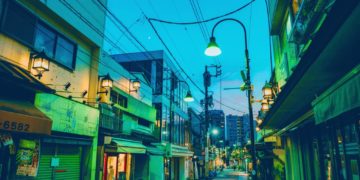
Japan’s nights are more than neon lights and izakayas. While Tokyo’s bustle and Osaka’s energy define urban nightlife, another side of Japan comes alive after dark—one steeped in silence, tradition, and deep cultural introspection. Away from the crowds, travelers can encounter experiences that invite stillness, spiritual connection, and aesthetic reflection.
This article explores four of the most unique nighttime cultural experiences in Japan: Zazen (seated meditation) in temples, evening tea ceremonies, night performances of traditional theater, and calligraphy paired with music. Each offers a path to understanding the Japanese spirit—not just through sightseeing, but through being.
1. Zazen and Temple Meditation After Dark
What is Zazen?
Zazen is the seated meditation practice central to Zen Buddhism. Practiced for centuries in temples across Japan, zazen involves sitting silently, focusing on posture, breath, and awareness. While many temples offer morning sessions, a growing number welcome visitors to evening zazen, where the quiet of night enhances the meditative atmosphere.
Why at Night?
The silence of the evening amplifies the experience. City noise fades, the air cools, and shadows deepen. In candle-lit halls or under paper lanterns, practitioners can lose their sense of time—and find something far more timeless.
Where to Experience It
- Kencho-ji (Kamakura): Offers English-guided zazen and night temple tours.
- Shunkoin Temple (Kyoto): Provides private or group evening zazen and philosophical discussions in English.
- Eiheiji Temple (Fukui): Advanced travelers can stay overnight and experience night zazen as monks do.
Insider Tip
Some temples combine zazen with shakyo (sutra copying) or night incense meditation, adding sensory depth to the experience. Dress modestly and be prepared to sit still for up to 30–40 minutes.
2. Evening Tea Ceremony: The Art of Nighttime Hospitality
The Essence of Chanoyu at Night
The Japanese tea ceremony (chanoyu) is more than preparing matcha. It is a performance of hospitality, an expression of harmony, respect, purity, and tranquility. At night, it takes on a new dimension—more intimate, more mysterious, more poetic.
Nighttime tea gatherings often use dim lighting, with flickering candles and shadows enhancing the visual contrast of ceramics, lacquerware, and seasonal flowers.
Cultural Significance
Historically, Yobanashi (evening tea gatherings) were considered particularly refined. Samurai, poets, and monks would gather in tearooms lit only by lanterns, appreciating not only the tea but the moon, the silence, and the fleeting nature of existence.
Where to Try It
- Kyoto:
- Camellia Flower Teahouse offers evening tea sessions for tourists with English guidance.
- En Tea House holds modern-style night ceremonies with curated matcha pairings and incense.
- Kanazawa:
- Known for its tea culture, some ryotei (traditional restaurants) offer tea ceremonies as part of kaiseki dinner experiences.
What to Expect
Expect a slow, deliberate process. You may be asked to bow, rotate the cup, or admire the seasonal utensils. No prior knowledge is needed—just attentiveness and respect.
3. Night Performances of Traditional Theater: Noh, Kyogen, and Kabuki
Why See Traditional Theater at Night?
Japanese traditional performing arts—Noh, Kyogen, and Kabuki—often reflect themes of spirits, memory, and the passage of time. Seen at night, these stories feel more visceral, more haunting, more poetic.
- Noh: Minimalist and deeply symbolic, often performed with masks and stylized movement.
- Kyogen: The comedic counterpart to Noh, performed between acts.
- Kabuki: More elaborate, vibrant, and dramatic—perfect for first-timers.
Night Shows for Foreign Visitors
- National Noh Theatre (Tokyo): Offers short night programs with English subtitles, ideal for those new to Noh.
- Kyoto Minami-za Theater: Sometimes hosts evening Kabuki shows with headsets for English guidance.
- Kanzanji Temple (Shizuoka): Holds open-air Noh under moonlight, often in summer.
What Makes It Special?
Seeing Noh by lantern-light in a temple or under the stars evokes the theater’s roots in ritual and spiritual storytelling. Even without full linguistic understanding, the atmosphere, masks, chants, and slow rhythms create a mesmerizing experience.
4. Calligraphy and Live Music: A Modern Fusion of the Traditional
The Concept
In cities like Tokyo and Kyoto, a new trend is merging traditional Japanese calligraphy (shodo) with nighttime cultural events. Participants are invited to write their name or a seasonal word in kanji under the guidance of a calligraphy master, often accompanied by live shamisen, koto, or ambient jazz.
It’s part performance, part hands-on workshop, and part cultural exchange.
Why It Works at Night
The lighting, music, and flow of ink on paper form a meditative, almost spiritual atmosphere. The process becomes more than writing—it becomes a moment of reflection and self-expression.
Where to Experience It
- Shodo Lounge Tokyo (Nakameguro): Offers night workshops with seasonal themes, tea pairing, and live ambient music.
- Kyoto Graphie Night Events (Spring): Occasionally features pop-up calligraphy sessions during its art festival.
- Tokyo’s Tsukiji Hongwanji Temple: Sometimes hosts fusion events blending spiritual practice and art performance.
Who Is It For?
Perfect for travelers who enjoy art, journaling, or mindfulness. It’s also a great souvenir—you can take your calligraphy home!
Bonus: Combine Experiences for a Night to Remember
- Try a zazen session, followed by tea ceremony at a nearby temple.
- Attend a Noh performance, then enjoy a calligraphy workshop reflecting on the play’s themes.
- Enjoy a peaceful evening walk in Kyoto’s Gion, then enter a tucked-away teahouse for a cultural nightcap.
Practical Tips
- Reservations: Required for most cultural experiences; book at least 1–2 weeks in advance.
- Language Support: Many venues now offer English guidance or multilingual leaflets.
- Dress Code: For temple visits and tea ceremonies, avoid overly casual wear (e.g., shorts, tank tops).
- Timing: Most sessions begin around 6:00–7:00 PM and last 60–90 minutes.
- Cost: Expect ¥3,000–¥10,000 depending on exclusivity, location, and depth of experience.
Conclusion
For travelers seeking something beyond the ordinary, Japan’s night offers a quiet richness that’s often overlooked. In temples, tearooms, theaters, and small art studios, you’ll find timeless traditions illuminated by the gentle glow of lanterns and shared silence.
In a world full of noise and speed, these quiet night experiences offer a moment to slow down, to listen, and to truly connect—with Japanese culture, and perhaps with yourself.