






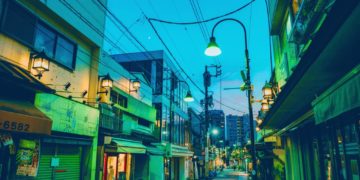

Introduction: Hokkaido’s Cold Nights, Warm Broths
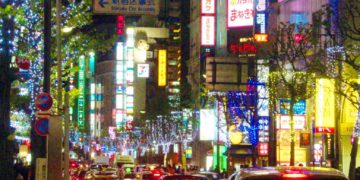
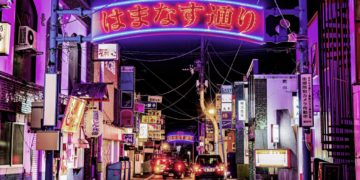
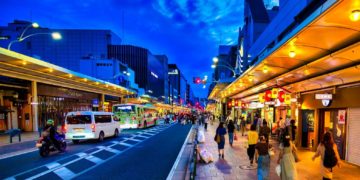
Hokkaido’s long nights and snow-dusted streets create perfect conditions for hot bowls of ramen. From the birthplace of miso ramen in Sapporo, to coastal pork-broth styles in Hakodate, the region’s ramen scene reflects rich local ingredients and hearty comfort food culture. Post-ski, post-festival, or just post-sunset—Hokkaido’s late-night ramen shops are where the chill meets bar warmth and the city meets the soul.
Whether you’re in Sapporo, Asahikawa, Hakodate, or Otaru, expect diverse broths, thick noodles, and toppings like seafood, corn, butter, and local pork. Ordering etiquette can vary—some shops are ticket machine-run, others take orders at the counter. Slurping is encouraged (it’s respectful here too!).
🍜 Hokkaido’s Top 15 Late‑Night Ramen Spots
| # | Shop | Location | Style & Highlights | Price (¥) |
|---|---|---|---|---|
| 1 | Sumire (Sapporo) | Susukino Sta. | Iconic miso ramen with pork and butter | 850–1,200 |
| 2 | Ramen Shingen (Sapporo) | Higashi honganji-mae Sta. | Strong miso, garlic, spicy oil | 800–1,200 |
| 3 | Isono Kaduo | Shiseikan Shogakkou-mae Sta. | Black shoyu ramen | 650-800 |
| 4 | Keyaki Susukino Main Shop | Housui-susukino Sta. | Miso ramen | 870-980 |
| 5 | Menya Yukikaze Susukino-ten | Higashi honganji-mae Sta. | Miso ramen | 998-1,050 |
| 6 | Sapporo Ramen Kifu Susukino-ten | Susukino Sta. | Miso ramen; | 960-1,390 |
| 7 | Ramen Shingetu | Susukino Sta. | Shio ramen | 680-820 |
| 8 | Ramen Sapporo Akahoshi | Nishi 8chou-me Sta. | Shoyu ramen; Shio ramen; Miso ramen | 600-750 |
| 9 | Menya Suzuran | Susukino Sta. | Miso ramen; Curry ramen | 1,000-1,200 |
| 10 | Ramen Gojougen Man shop | Higashi honganji-mae Sta. | Chuka soba; various kinds of menu | 650- |
| 11 | Ebi soba Ichigen Main shop | Higashi honganji-mae Sta. | Prawn broth ramen | 750- |
| 12 | Ganso Sapporo Ramen Mogra | Susukino Sta. | Miso ramen | 700- |
| 13 | Ramen Arata | Higashi honganji-mae Sta. | Rei-men; Miso ramen | 680-980 |
| 14 | Fujiya Noodle | Susukino Sta. | Miso ramen | 1,000-1,200 |
| 15 | Wa-dashi Ramen Umekichi | Housui-susukino Sta. | Shio ramen; Tsuke-men | 800-1,000 |
🍥 Ordering Tips & Hokkaido Flair
- Machine or manual ordering – Most chains use ticket machines (often pictorial), while local stalls accept spoken orders.
- Soup & Noodle Care – Noodle refill not common; slurp quickly so the soup stays hot.
- Seasonal toppings – Corn, butter, pumpkin available in winter; try at least once.
- Slurping and Thanks – Yes to slurps; a cheerful “Arigatō!” goes far.
- Cash on hand – Most shops are cash-only and may close after midnight.
🌬️ Hokkaido’s Ramen Identity
- Miso heartiness: Born here in the 1960s; now includes spicy, butter-infused, seafood-miso blends.
- Cold-weather fuel: Thick, warming broth perfect for snowy nights and post-shred warmth.
- Local ingredients: Butter, corn, seafood integrate local flavor into each bowl.
- Late-night ecosystem: Bars, beer, and ramen stalls form a nighttime circuit corridor of warmth.
🏁 Conclusion: Slurp Through Hokkaido’s Night
Hokkaido’s ramen isn’t just food—it’s nostalgia, vitality, and regional pride in a bowl. From Sapporo’s famous miso, Asahikawa’s soy tones, to Hakodate’s seafood edge, these 30 shops stand as testaments to local innovation and comfort. Whether fresh from a skiing high or wandering glowing city roads, your final nightcap needs to be a hot bowl of Hokkaido ramen—because there’s nothing quite like it.