











Introduction: The Midnight Slurp
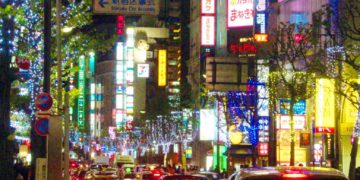
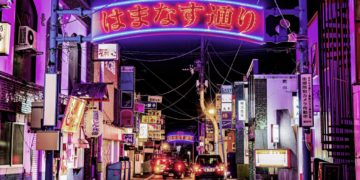
In Tokyo, ramen isn’t just a meal—it’s an after-hours ritual. At 2 AM, neon-lit shops open their doors to a faithful procession: office workers collapsing in booths, insomniac creatives in search of solace, global travelers eager to taste Tokyo’s soul. This isn’t about Instagram snaps—it’s about heat, comfort, and a brief reunion with humanity after a long day or night. Welcome to Tokyo’s 2 AM noodle pilgrimage.
1. The Ritual of Night Ramen
1.1 Comfort Food Post-Drink
When the city’s nightlife winds down, it’s time for bowls of miso, tonkotsu, or soy-laced broth to gently close the evening. There’s a collective sigh in the air as patrons lean over piping hot bowls. The intense heat melts fatigue; the deep flavors cleanse the palate. Ramen, in this context, is more ritual than food—earthy, restorative, timeless.
1.2 Ramen for the Soul, Not the Camera
Forget trendy café bowls dressed for the ‘Gram: 2 AM ramen is honest, direct, and unapologetic. Steam fogs your glasses and splashes on the wooden counter. Broth glistens like confession. Nobody’s posing—they’re slurping, chewing, and reflecting. It’s quiet, communal, and heartfelt.
2. What Makes 2 AM Ramen Different
2.1 Heavier Broths & Rich Toppings
Bars close, but appetite remains. Late-night bowls often shift toward:
- Tonkotsu: rich, fatty pork-bone broth designed to warm the soul
- Spicy Miso Paste: for a midnight kick
- Garlic & Egg Yolk: cut through the booze haze
These are bowls made to satisfy post-party grumbles and urban emptiness.
2.2 Broth-Cooked vs. Fresh Drop-In Noodles
Noodle texture matters. Some shops prepare noodles fresh for each bowl, while others stash pre-cooked noodles in the broth for faster service—ideal for grub-seekers after bar rounds. Both have charm: fresh means chew, broth-bathed means total flavor.
3. Best Late-Night Ramen Spots in Tokyo
Here are must-visit bowls for your midnight route:
3.1 Nagi Golden Gai (Shinjuku)
- Location: Golden Gai alleyway—the heart of Tokyo nightlife
- Specialty: Sardine-heavy broth glazed with umami richness
- Ambience: So small it’s whispered holy—4 seats and broths that smell like dusk’s secret
3.2 Ramen Jiro (Mita & Ikebukuro)
- Style: Mountains of noodles & pork; not for the faint-hearted
- Why it works at night: Huge portions, loud kitchen buzz—you feel alive again
3.3 Ichiran (Shibuya & Ueno)
- Solo booths: private florets for introverts
- Custom flow: control everything—from noodle firmness to chili oil
- Open 24/7: ideal for travelers seeking a quiet, controlled meal
3.4 Mutekiya (Ikebukuro)
- Broth: creamy tonkotsu that’s light yet full-bodied
- Hours: often open until 2AM—even with a line
- Feel: warm and welcoming despite the midnight chill
4. Ramen Styles That Thrive at Night
4.1 Tonkotsu, Shoyu, Miso: Choose Your Sleep Aid
- Tonkotsu: dense, milky soup that coats your throat
- Shoyu: soy-based broth, simpler but soulful
- Miso: hearty depth, warming complexity
Each bowl serves a purpose—restore, comfort, or satisfy.
4.2 Extra Toppings for The Nocturnal Stomach
- Raw garlic: for detox and spice
- Spicy miso paste: keeps the body awake
- Egg yolk: luxurious fat to soothe
These toppings reflect the night’s needs—heat, richness, and resolve.
5. Who Eats Ramen at 2 AM?
5.1 Salarymen Decompressing
You’ll see men in suits, faces drained of meetings, finding solace in steam and noodles. For them, ramen is silence and closure—a final nod before home.
5.2 Couples, Creatives, and Solo Thinkers
Artists scribbling ideas between slurps, travelers sharing brief respect nods, partners whispering secrets over twin bowls—this is ramen not just as food, but shared emotion.
6. Ramen Etiquette & Tips for Late Hours
Ramen shops—especially at night—are temples of unspoken rules. Knowing how to behave enhances the experience, both for you and for the people slurping beside you.
6.1 Be Quick, Be Respectful, Be Silent
- Order swiftly: Decide before entering, especially if there’s a vending machine outside.
- Don’t linger: These spots serve food, not conversation. Eat, nod, and leave.
- Keep it quiet: Loud phone calls or extended chats are frowned upon.
6.2 What to Say If You Don’t Speak Japanese
- 注文したいです (Chūmon shitai desu) – “I’d like to order.”
- おすすめは何ですか? (Osusume wa nan desu ka?) – “What’s your recommendation?”
- にんにく、あり・なし? (Ninniku, ari / nashi?) – “Garlic, yes or no?”
🧾 Pro Tip: Most ramen shops now have photo menus or vending machines—just point or press. No Japanese needed.
7. FAQs: Tokyo’s Midnight Ramen Culture
| Question | Answer |
|---|---|
| Are late-night ramen shops safe for solo travelers? | Absolutely. These are some of the safest places in Tokyo—clean, efficient, and no-nonsense. |
| What if I have dietary restrictions? | Ask for “no pork” or “no egg” in English—many staff understand. Vegan ramen exists but is rare after midnight. |
| Can I pay with a card? | Many shops are cash-only. Bring yen, especially in smaller neighborhoods. |
| Is tipping expected? | No. Tipping is not part of Japanese culture. A sincere “Gochisousama deshita!” (Thanks for the meal!) is enough. |
| What if I don’t finish the broth? | Totally fine. Many Japanese leave some broth. Just don’t leave noodles untouched. |
8. Final Thoughts: Why the Best Ramen Happens After Last Call
At 2AM, there’s clarity in the chaos. No playlist. No pretense. Just you, your chopsticks, a steam-kissed bowl—and the unspoken bond shared with everyone in that narrow space.
That first slurp silences the city.
The second slurp rewinds your day.
The third… stays with you for life.
In Tokyo, night ramen isn’t just a snack.
It’s a ceremony. A return. A closing of the loop.
So next time you’re in the city, don’t rush home after drinks.
Take a quiet detour into the light of a tiny shop—and listen to your noodles speak.