






Introduction
In Japan, summer nights are made for water. While fireworks and festivals light up the land, another magical experience drifts quietly across rivers and bays—yakatabune, traditional roofed pleasure boats that combine scenic cruising with fine dining and cultural ambiance.
Originating in the Heian and Edo periods, yakatabune were once reserved for nobles and samurai. Today, they’re a beautiful way to experience Japan’s cities from the water, offering guests a unique blend of nostalgia, cuisine, and panoramic views. Whether you’re a couple looking for romance, a traveler seeking authenticity, or a group celebrating a special night, a summer night cruise on a yakatabune is unforgettable.
What Is a Yakatabune?
A Floating Cultural Legacy
Yakatabune (屋形船) literally means “roofed boat.” These vessels were historically used for moon viewing, poetry, and entertainment on the rivers of Kyoto, Tokyo, and Osaka. They are characterized by:
- Tatami-mat interiors with low tables and cushions
- Paper lanterns decorating the exterior
- Open-air viewing decks on some boats
- Traditional designs that preserve a sense of Edo-era elegance
Today’s yakatabune are equipped with modern amenities—air conditioning, restrooms, and onboard kitchens—while retaining their cultural charm.
Why Try a Yakatabune in Summer?
Beat the Heat, Embrace the Breeze
Japan’s summer can be humid and intense during the day. A night cruise provides:
- Cool river or sea breezes as you sail
- Scenic views of city lights, bridges, and fireworks
- A peaceful break from crowds and concrete
- Seasonal menus that highlight summer ingredients like unagi (eel), somen noodles, and chilled sake
Many locals celebrate birthdays, anniversaries, and reunions on yakatabune during summer. Visitors can join in the seasonal rhythm of Japanese life from a serene new angle.
Where to Ride a Yakatabune: Best Locations in Japan
1. Tokyo Bay & Sumida River
The most famous yakatabune experiences are in Tokyo, where tradition and modernity merge in dazzling night views.
- Departures: Hinode Pier, Asakusa, Shinagawa, Harumi
- Views: Rainbow Bridge, Skytree, Odaiba Ferris Wheel
- Special options: Fireworks cruises in late July and early August
Sample plan:
- 2-hour dinner cruise with all-you-can-drink (nomihodai)
- Includes tempura, sashimi, and seasonal appetizers
- Price: ¥8,000–¥12,000 per person
2. Osaka & Dotonbori Canal
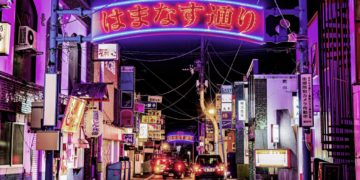
Osaka’s yakatabune are shorter and more urban, navigating lively neon-lit canals.
- Departure points: Namba Hatch, Minatomachi Pier
- Views: Dotonbori signs (like the Glico Man), bridges, canal houses
- Experience: 40-minute cruises with local guides or musicians
These rides are often included in Osaka nightlife or bar-hopping tours.
3. Kyoto: River Dining and Boats
While traditional yakatabune are rare in Kyoto, the city offers unique riverside dining:
- Kawayuka (Kaiseki riverside platforms): Especially in Kibune and Kamogawa
- Hozugawa River Cruises: Daytime and occasional evening lantern cruises
4. Other Notable Areas
- Yokohama Minato Mirai: Modern yachts with yakatabune-style interiors
- Hiroshima & Itsukushima: Cultural sightseeing boat rides by shrine gates
- Fukuoka’s Naka River: Short summer party boats with open-air decks
- Lake Shinji (Shimane): Sunset cruises with local sake tasting
What’s Included in a Typical Yakatabune Experience?
Dining and Drinks
Expect a multi-course Japanese meal prepared onboard or sourced from local restaurants.
Typical menu items:
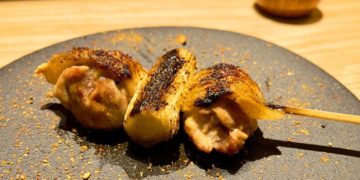
- Fresh sashimi platters
- Seasonal tempura
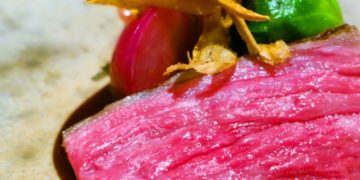
- Grilled fish or wagyu beef (on high-end cruises)
- Somen noodles, chilled in ice water for summer
- Dessert and fruit
Drinks: All-you-can-drink options are common, including sake, beer, plum wine, and soft drinks.
Atmosphere
- Calm background music or traditional shamisen performance (on select cruises)
- Tatami seating (sometimes optional Western-style seating)
- Attendants in yukata or kimono
- Lantern-lit decks with open-air windows for night breeze
How to Book a Yakatabune Cruise
Booking Options
- Official websites (many offer English pages)
- Travel platforms: Klook, GetYourGuide, Voyagin, Japanican
- Hotel concierge or travel desk
- Direct phone reservations (some English-speaking staff)
What to Prepare
- Reservation: Book at least 2–3 weeks in advance, especially in July/August
- Clothing: Casual or smart casual; some cruises offer yukata rental packages
- Weather: Operates rain or shine; severe storms may result in cancellations
- Payment: Most require upfront online payment or card deposit
Recommended Companies (Tokyo Example)
- Funasei: One of the oldest yakatabune companies in Tokyo, established in 1881
- Harumiya: Known for traditional boat design and seasonal menus
- Amisei: Offers multilingual support and vegetarian options
Who Should Try It?
Couples
Romantic, scenic, and serene—a perfect anniversary or honeymoon activity. Some cruises offer private rooms or deck seating for two.
Families
Children can enjoy watching bridges pass, eating Japanese food, or seeing fireworks. Some boats include kid-friendly menus and seating options.
Solo Travelers
Yes! Some cruises allow individual reservations (minimum passenger counts may apply). It’s a peaceful way to reflect and enjoy the city.
Groups
Birthdays, office parties, and friend reunions are popular on yakatabune. Many boats have karaoke machines, group discounts, or party options.
Etiquette and Cultural Notes
- Shoes off: On tatami boats, you’ll remove shoes before boarding.
- Respect quietness: Keep noise to a moderate level unless it’s a party cruise.
- Trash and cleanliness: Japanese boats are spotless—keep them that way.
- Tip not required: Service is included in the price.
Seasonal Bonus: Fireworks Cruises
Summer is hanabi season in Japan. Some yakatabune schedule their routes to offer front-row views of major fireworks shows.
- Booking tip: Reserve 1–2 months in advance for hanabi cruises.
- Example: Tokyo Sumida River Fireworks or Yokohama Marine Festival nights
Watching the sky light up while floating on a softly rocking boat with a cold drink in hand? Priceless.
Conclusion
A yakatabune is more than just a boat ride—it’s an immersion into a slower, quieter rhythm of Japanese life. It’s where history meets hospitality, and where the buzz of the city melts into the shimmering waters beneath lantern glow.
Whether you’re sipping sake beneath a bridge, eating tempura to the sound of shamisen, or watching fireworks burst above Tokyo Bay, a yakatabune cruise will become one of your most cherished memories in Japan.
So this summer, sail into tradition—and discover Japan by water, at night.