






1. Introduction: Why Night Is the Right Time for Sake
In Japan, the allure of sake extends beyond tradition—it weaves into the very fabric of nightlife. While many associate sake with formal dinners or traditional ceremonies, it transforms into something else entirely after dark. The taste deepens, the setting becomes more intimate, and time slows down.
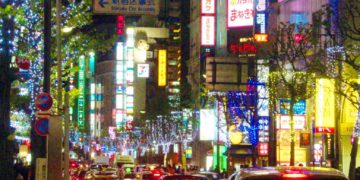
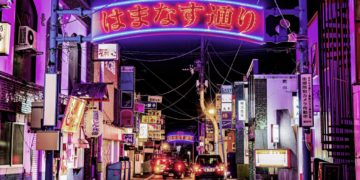
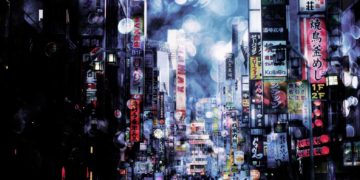
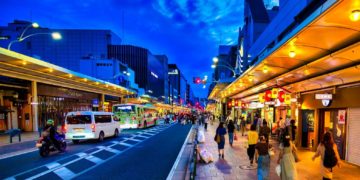
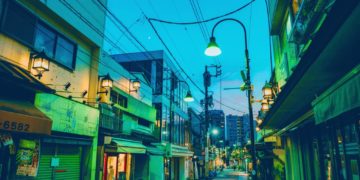
Nighttime sake tastings are growing in popularity not only among locals but also among curious international visitors. Whether in a neon-lit alley in Shibuya or a riverside brewery in Kyoto, enjoying sake after sundown can be a cultural, even spiritual, experience.
2. Brief History of Sake & Regional Diversity
Sake, or nihonshu, dates back over a thousand years. Traditionally brewed using just rice, water, koji mold, and yeast, it’s a product of both artistry and science. But beyond its production, sake is deeply tied to Japanese identity.
Japan’s regions offer distinct flavors. For example:
- Niigata: Clean and dry, often described as “tanrei karakuchi”
- Kyoto (Fushimi): Soft water produces smooth and elegant sake
- Akita: Known for full-bodied, umami-rich brews
Nighttime brewery experiences often highlight these differences. Many breweries now offer evening tastings, letting visitors sample regional sakes in a more relaxed, candlelit environment.
3. Why Are Nighttime Tastings So Popular?
Night tasting events offer a new way to experience sake:
- Relaxed Atmosphere: Dim lights, jazz music, and open conversation.
- Better Palate Sensitivity: After the day winds down, your senses—especially smell and taste—are more tuned in.
- Romantic Settings: Especially in scenic areas like Kyoto’s Gion or Tokyo’s Ebisu.
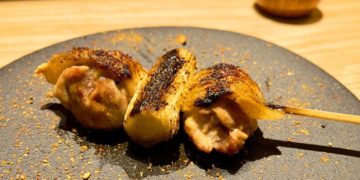
Some venues combine sake with kaiseki dinners, while others offer curated pairings with cheese, dark chocolate, or even street food. It’s a gateway not just to the drink—but to deeper connections with Japanese culture.
4. Hidden Sake Breweries That Host Night Tastings
🏮 Gekkeikan Okura Sake Museum – Kyoto (Fushimi)
Website: https://www.gekkeikan.co.jp/english
- One of Japan’s oldest breweries.
- Offers occasional candlelight tastings and seasonal events after dark.
🍶 Tsuruume Umeshu Brewery – Wakayama
Website: https://www.heiwashuzou.co.jp
- Renowned for plum-based sake (umeshu).
- Their “Night Garden Sake Lounge” (summer-only) is lit with lanterns.
🍶 Kurand Sake Market – Tokyo (multiple locations)
Website: https://kurand.jp/en
- Open late (until 11 PM).
- Self-service bar with 100+ sake options.
- Pay once, drink all you want—no time limit.
These places aren’t just bars—they’re curated cultural experiences. Some include short brewing workshops, guided tasting flights, and even Japanese calligraphy classes on the bottle labels.
5. How to Order & Pair Sake Like a Local
Ordering sake isn’t as simple as picking “hot” or “cold.” To enjoy sake the Japanese way, keep in mind:
🔹 Common Types:
| Type | Flavor Profile | Best Served |
|---|---|---|
| Junmai | Rich, full-bodied | Room temp |
| Ginjo | Light, aromatic | Chilled |
| Daiginjo | Highly polished, elegant | Cold |
| Nigori | Cloudy, sweet, creamy | Cold |
🔹 Pairing Tips:
| Sake Type | Pairs Well With |
|---|---|
| Junmai | Grilled fish, tofu, tempura |
| Ginjo | Sashimi, sushi, light salads |
| Nigori | Spicy food, creamy cheese |
| Koshu (aged) | Dark chocolate, roasted meats |
Pro Tip: Avoid overpowering the sake—opt for light, balanced bites. Don’t hesitate to ask staff for recommendations. Many venues are English-friendly or provide QR code menus.
6. Seasonal Limited Editions: Only Available on Chilly Nights
Japanese sake is deeply tied to the rhythm of the seasons. Many breweries produce limited-edition bottles that are only available in winter or early spring.
❄️ Winter Favorites:
- Shiboritate (新酒): Freshly pressed sake, sharp and bold
- Kan-zake (燗酒): Best enjoyed warm, perfect for cold evenings
- Nigori (にごり酒): Cloudy, sweet sake often released in winter festivals
Some breweries even host exclusive “Yuki-zake” nights, where you can taste winter-season sake while sitting under lanterns in the snow.
Notable Examples:
- Dassai 23 “Cold Night Edition” – only sold from December to February
- Hakkaisan Winter Nama – an unpasteurized variety with a crisp profile
- Kamoizumi Nigori Genshu – a rich, dessert-like sake perfect after dinner
Ask locals or hotel staff about limited editions when you visit during the colder months—you might stumble upon something you’ll never taste again.
7. Common Mistakes Foreigners Make with Sake
Sake is incredibly welcoming—but a few cultural missteps can make things awkward. Here’s what to avoid:
❌ Common Pitfalls:
- Pouring your own sake in formal settings. In Japan, you pour for others, and they pour for you.
- Drinking sake too hot. Not all sake is meant to be warmed—ask first.
- Treating sake like a shot. It’s not vodka. Savor it like wine.
- Forgetting to say “Kanpai” (乾杯) before drinking.
- Overordering expensive bottles. Many high-end sakes are meant for food pairings or specific settings.
Don’t be intimidated. Ask questions, observe locals, and you’ll quickly get the hang of it.
8. Sake Tourism Hotspots: Where to Go After Dark
Some regions are worth visiting just for their evening sake culture. Here are a few:
🏯
Kyoto (Fushimi Area)
- Dozens of breweries within walking distance
- Evening river cruises with sake tastings
- Brewery-hosted night walks with sake & history stories
🏞️
Niigata (Snow Country Sake Tours)
- Trains arrive in the early evening for guided brewery visits
- Fire-lit tastings in traditional kominka houses
- Famous for dry and crisp sake—great with grilled seafood
🌃
Tokyo (Ebisu, Kanda, and Koenji)
- Izakaya-style tasting bars open till 2–3 AM
- Sake vending machines and standing bars
- English-friendly tours like Sake Lovers Tokyo
Many tours start at 6 or 7 PM and run till midnight. Book ahead, especially in peak seasons.
9. Practical Tips: Booking, Budget, and Etiquette
🔹 How to Book:
- Websites like Voyagin, Klook, and Airbnb Experiences offer curated nighttime tastings
- Some breweries take email reservations, others require phone calls—use your hotel concierge if needed
🔹 Cost Range:
| Experience Type | Price (per person) |
|---|---|
| Standing Sake Bar | ¥1,000–2,000 |
| Tasting Flight Set | ¥2,000–4,000 |
| Brewery Night Tour | ¥4,000–10,000 |
| Sake & Food Pairing Dinner | ¥8,000–15,000 |
🔹 Language Barrier:
- Many places now offer English menus or QR codes
- Learn these 3 phrases:
- “O-susume wa nan desu ka?” – What do you recommend?
- “Kanpai!” – Cheers!
- “Nama-zake arimasu ka?” – Do you have unpasteurized sake?
10. Final Thoughts: The Emotional Power of Sake at Night
Drinking sake in Japan at night is not just about alcohol—it’s about intimacy, culture, and rhythm. It’s a quiet celebration of the present moment.
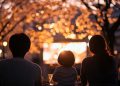
Whether you’re clinking glasses in a dim-lit alleyway, sipping from a wooden cup beneath cherry blossoms, or sharing laughs with locals you just met—sake after sunset offers an unforgettable memory.
Don’t just drink it—feel it.