








• About
  • Privacy Policy
Sunday, January 11, 2026
Japan Night Life
  • Login
  • Home
  • Travel Ideas
    Japan’s Top Hot Springs: A Deep Dive into Atami, Beppu, Kusatsu, Nasu & Shirahama

    Japan’s Top Hot Springs: A Deep Dive into Atami, Beppu, Kusatsu, Nasu & Shirahama

    Safe Solo Bar-Hopping Routes for Women Travelers in Tokyo

    Safe Solo Bar-Hopping Routes for Women Travelers in Tokyo

    Tokyo’s Most Creative Themed Bars — Beyond Ordinary Nights

    Tokyo’s Most Creative Themed Bars — Beyond Ordinary Nights

    Rooftop Bars with a View: Tokyo & Beyond — Ultimate Guide for International Visitors

    Rooftop Bars with a View: Tokyo & Beyond — Ultimate Guide for International Visitors

    Foreign-Friendly Karaoke in Tokyo: Your Ultimate English-Supportive Guide

    Foreign-Friendly Karaoke in Tokyo: Your Ultimate English-Supportive Guide

    Japan’s Hidden Gem: Free Information Centers – Your Gateway to Authentic Nightlife Experiences

    Japan’s Hidden Gem: Free Information Centers – Your Gateway to Authentic Nightlife Experiences

  • Food & Drink
    Tokyo’s Best Burgers: From Craft to Comfort—Top 5 Picks

    Tokyo’s Best Burgers: From Craft to Comfort—Top 5 Picks

    Tokyo’s Pizza Scene: Art, Craft, and the Top 5 Destinations

    Tokyo’s Pizza Scene: Art, Craft, and the Top 5 Destinations

    Osaka Yakitori: Top 5 Must-Visit Skewer Spots

    Osaka Yakitori: Top 5 Must-Visit Skewer Spots

    Safe Solo Bar-Hopping Routes for Women Travelers in Tokyo

    Safe Solo Bar-Hopping Routes for Women Travelers in Tokyo

    Tokyo’s Most Creative Themed Bars — Beyond Ordinary Nights

    Tokyo’s Most Creative Themed Bars — Beyond Ordinary Nights

    Tokyo’s “Writer-Editor’s Pick” Venues — 5 Hidden Gems That Locals Love

    Tokyo’s “Writer-Editor’s Pick” Venues — 5 Hidden Gems That Locals Love

  • Destination
    Japan’s Top Hot Springs: A Deep Dive into Atami, Beppu, Kusatsu, Nasu & Shirahama

    Japan’s Top Hot Springs: A Deep Dive into Atami, Beppu, Kusatsu, Nasu & Shirahama

    Caution After Dark: What Travelers Should Know About Regional Nightlife in Japan

    Caution After Dark: What Travelers Should Know About Regional Nightlife in Japan

    Staying Safe in Tokyo: What Foreign Travelers Should Know About Shin-Okubo & Kabukicho at Night

    Staying Safe in Tokyo: What Foreign Travelers Should Know About Shin-Okubo & Kabukicho at Night

    Kawaramachi Shadows: Kyoto’s Indie Bars Beneath the Tourist Trail

    Kawaramachi Shadows: Kyoto’s Indie Bars Beneath the Tourist Trail

    Yanaka After Hours: Tokyo’s Quietest District with the Deepest Soul

    Yanaka After Hours: Tokyo’s Quietest District with the Deepest Soul

    Kuramae After Dark: Tokyo’s Craft Capital Turns Cocktail Lab

    Kuramae After Dark: Tokyo’s Craft Capital Turns Cocktail Lab

  • Culture
No Result
View All Result
  • Home
  • Travel Ideas
    Japan’s Top Hot Springs: A Deep Dive into Atami, Beppu, Kusatsu, Nasu & Shirahama

    Japan’s Top Hot Springs: A Deep Dive into Atami, Beppu, Kusatsu, Nasu & Shirahama

    Safe Solo Bar-Hopping Routes for Women Travelers in Tokyo

    Safe Solo Bar-Hopping Routes for Women Travelers in Tokyo

    Tokyo’s Most Creative Themed Bars — Beyond Ordinary Nights

    Tokyo’s Most Creative Themed Bars — Beyond Ordinary Nights

    Rooftop Bars with a View: Tokyo & Beyond — Ultimate Guide for International Visitors

    Rooftop Bars with a View: Tokyo & Beyond — Ultimate Guide for International Visitors

    Foreign-Friendly Karaoke in Tokyo: Your Ultimate English-Supportive Guide

    Foreign-Friendly Karaoke in Tokyo: Your Ultimate English-Supportive Guide

    Japan’s Hidden Gem: Free Information Centers – Your Gateway to Authentic Nightlife Experiences

    Japan’s Hidden Gem: Free Information Centers – Your Gateway to Authentic Nightlife Experiences

  • Food & Drink
    Tokyo’s Best Burgers: From Craft to Comfort—Top 5 Picks

    Tokyo’s Best Burgers: From Craft to Comfort—Top 5 Picks

    Tokyo’s Pizza Scene: Art, Craft, and the Top 5 Destinations

    Tokyo’s Pizza Scene: Art, Craft, and the Top 5 Destinations

    Osaka Yakitori: Top 5 Must-Visit Skewer Spots

    Osaka Yakitori: Top 5 Must-Visit Skewer Spots

    Safe Solo Bar-Hopping Routes for Women Travelers in Tokyo

    Safe Solo Bar-Hopping Routes for Women Travelers in Tokyo

    Tokyo’s Most Creative Themed Bars — Beyond Ordinary Nights

    Tokyo’s Most Creative Themed Bars — Beyond Ordinary Nights

    Tokyo’s “Writer-Editor’s Pick” Venues — 5 Hidden Gems That Locals Love

    Tokyo’s “Writer-Editor’s Pick” Venues — 5 Hidden Gems That Locals Love

  • Destination
    Japan’s Top Hot Springs: A Deep Dive into Atami, Beppu, Kusatsu, Nasu & Shirahama

    Japan’s Top Hot Springs: A Deep Dive into Atami, Beppu, Kusatsu, Nasu & Shirahama

    Caution After Dark: What Travelers Should Know About Regional Nightlife in Japan

    Caution After Dark: What Travelers Should Know About Regional Nightlife in Japan

    Staying Safe in Tokyo: What Foreign Travelers Should Know About Shin-Okubo & Kabukicho at Night

    Staying Safe in Tokyo: What Foreign Travelers Should Know About Shin-Okubo & Kabukicho at Night

    Kawaramachi Shadows: Kyoto’s Indie Bars Beneath the Tourist Trail

    Kawaramachi Shadows: Kyoto’s Indie Bars Beneath the Tourist Trail

    Yanaka After Hours: Tokyo’s Quietest District with the Deepest Soul

    Yanaka After Hours: Tokyo’s Quietest District with the Deepest Soul

    Kuramae After Dark: Tokyo’s Craft Capital Turns Cocktail Lab

    Kuramae After Dark: Tokyo’s Craft Capital Turns Cocktail Lab

  • Culture
No Result
View All Result
Japan Night Life
No Result
View All Result
Home Culture

Sashimi in Japan: Understanding the Risks and Staying Safe

2025-05-26
in Culture, Food & Drink
0 0
0

Introduction

Sashimi, the artful presentation of raw fish and seafood, is one of Japan’s most iconic and beloved culinary traditions. Celebrated for its purity, freshness, and delicate flavors, sashimi is often a must-try experience for travelers. But for many, eating raw fish also raises understandable concerns about food safety. This article explores the potential risks associated with sashimi in Japan and provides practical advice for enjoying this traditional dish safely. We’ll also delve into the historical, cultural, and scientific backdrop that makes Japan’s raw fish culture both fascinating and trustworthy.


1. What Is Sashimi?

Sashimi refers to thinly sliced raw seafood, typically served with soy sauce, wasabi, and sometimes garnishes like shiso leaves or daikon radish. Unlike sushi, sashimi is served without rice. Common types include:

  • Maguro (tuna): prized for its rich umami and deep red color
  • Sake (salmon): fatty and smooth, though technically not traditional until modern imports
  • Hamachi (yellowtail): buttery and slightly sweet
  • Ebi (shrimp): can be served raw or blanched
  • Ika (squid): chewy and mildly sweet

While most people associate sashimi with fish, it can also include:

  • Tako (octopus)
  • Uni (sea urchin)
  • Akaebi (sweet shrimp)
  • Basashi (raw horse meat, served like sashimi)

Sashimi is prized for showcasing the natural flavors and textures of the fish, with an emphasis on freshness, presentation, and knife skills. The visual artistry is as important as the taste, especially in formal kaiseki dining or omakase-style sushi experiences.


2. What Are the Risks of Eating Raw Fish?

While Japan has one of the world’s safest food supply chains, eating raw fish carries inherent risks. Understanding these risks empowers diners to make informed decisions.

a. Parasites

  • Anisakis: A type of parasitic worm found in marine fish. When ingested, it can cause anisakiasis, leading to abdominal pain, nausea, and vomiting. It’s most common in raw or undercooked salmon, mackerel, and squid.
  • Diphyllobothrium (tapeworm): A parasite found in freshwater or brackish fish. It can lead to intestinal infections and vitamin B12 deficiencies if not treated.

b. Bacterial Contamination

  • Vibrio parahaemolyticus: This bacterium thrives in warm seawater and can cause gastroenteritis when ingested through contaminated seafood.
  • Salmonella & Listeria: Though less common in Japan due to hygiene protocols, these bacteria can still pose a threat, particularly to vulnerable populations.

c. Allergic Reactions

Some individuals may have allergic responses to raw seafood, especially shellfish. Symptoms range from mild irritation to severe anaphylaxis.

d. Chemical Contaminants

  • Mercury and other heavy metals: Large fish like tuna may contain elevated levels of mercury, making them less suitable for frequent consumption.
  • Histamine: Improper storage can lead to histamine buildup in fish like mackerel and tuna, causing scombroid poisoning.

3. Why Sashimi Is Generally Safe in Japan

Despite the aforementioned risks, millions of people enjoy sashimi daily in Japan without issue. Several cultural and systemic factors contribute to its relative safety:

a. Strict Food Safety Regulations

Japan’s Ministry of Health, Labour and Welfare has clear guidelines on seafood handling. Fish intended for raw consumption must be labeled as such and stored at correct temperatures from catch to preparation.

b. Sushi-Grade Standards

While not a legal designation, “sushi-grade” or “sashimi-grade” implies that the fish has been handled with extraordinary care. Often, fish destined to be served raw is flash-frozen to -20°C or lower for at least 24 hours, killing parasites.

c. High Turnover and Fresh Supply Chains

Large fish markets such as Toyosu (formerly Tsukiji) in Tokyo serve as distribution hubs, moving fresh seafood rapidly to restaurants across the country. Daily auctions, refrigerated transport, and same-day usage reduce spoilage risks.

d. Specialized Training and Expertise

Chefs in Japan spend years mastering the art of fish handling. Sushi chefs often undergo a decade of apprenticeship, during which they learn to identify parasites, assess freshness, and practice precise hygiene.

e. Cultural Norms Around Cleanliness

Cleanliness is deeply embedded in Japanese culture. From antiseptic wiping cloths (oshibori) to meticulous kitchen layouts, hygiene is a cornerstone of culinary training and restaurant operation.


4. Who Should Be Cautious About Eating Sashimi?

Even in Japan, sashimi may not be suitable for everyone. Specific groups should exercise caution:

  • Pregnant Women: Risk of listeriosis and mercury exposure can pose developmental threats to unborn children.
  • Children Under 5: Their developing immune systems may not handle bacteria or parasites as effectively.
  • Elderly Individuals: Age-related immune decline increases susceptibility to foodborne illness.
  • People with Chronic Illnesses or Immunodeficiencies: Cancer patients, those with autoimmune disorders, or anyone taking immunosuppressive drugs should be cautious.

5. How to Eat Sashimi Safely as a Visitor

Tourists unfamiliar with sashimi culture can take a few simple precautions to reduce risk while maximizing enjoyment:

a. Choose Reputable Restaurants

Opt for establishments specializing in sushi or kaiseki cuisine. Look for venues with good hygiene ratings or recommendations from locals. Avoid all-you-can-eat establishments unless they have strong reputations.

b. Ask About Freezing Practices

If you’re worried about parasites, particularly in salmon or mackerel, ask whether the fish has been frozen. Many reputable establishments will know and be transparent.

c. Avoid Freshwater Fish

Stick to ocean fish like tuna or snapper. Avoid eating raw freshwater fish like ayu or koi, which are more likely to harbor parasites.

d. Temperature Awareness

Sashimi should be served chilled. Lukewarm or room temperature sashimi may indicate improper handling or storage.

e. Use Condiments Wisely

Wasabi and soy sauce do offer mild antibacterial properties, but they’re no substitute for safe sourcing and preparation. Still, they’re a traditional and flavorful component of the sashimi experience.

f. Avoid Overindulging

While not a safety issue per se, consuming large amounts of raw fish can expose you to elevated mercury levels or contribute to digestive discomfort. Moderation is key.


6. Alternatives to Raw Sashimi

If raw fish feels intimidating, Japan offers many cooked alternatives that deliver similar textures and flavors:

a. Aburi (Seared Sashimi)

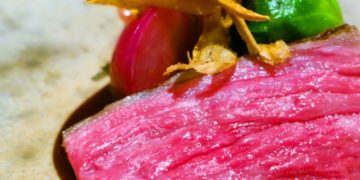
Lightly torched sashimi that maintains raw centers but adds warmth and aroma to the surface.

b. Tataki

Fish (commonly bonito or beef) is quickly seared on the outside and left rare inside. Served with ponzu, garlic, or ginger.

c. Cooked Options

Many izakayas and restaurants offer grilled fish (yakizakana), simmered dishes (nimono), or rice bowls topped with cooked seafood.


7. What to Do If You Feel Sick After Eating Sashimi

While rare, it’s important to act promptly if you experience:

  • Abdominal cramps, diarrhea, or vomiting
  • Fever or body aches
  • Tingling in the mouth or allergic swelling

Immediate Actions:

  • Over-the-counter meds: Look for anti-nausea or antidiarrheal products at drugstores.
  • Visit a clinic: English-speaking hospitals and clinics are available in most cities.
  • Tourist Assistance: Call the Japan Visitor Hotline (050-3816-2787) for multilingual help.

Most food-related illnesses resolve within 24–48 hours, but don’t hesitate to seek professional care if symptoms persist or worsen.


8. Historical and Cultural Significance of Sashimi in Japan

Sashimi isn’t just food—it’s a cultural experience rooted in centuries of tradition.

  • Historical Roots: The practice of eating raw fish dates back to the Heian period (794–1185), though it became widespread with the development of Edo (modern Tokyo).
  • Regional Variations: Different regions favor different types of sashimi—Hokkaido for scallops and sea urchin, Kyushu for mackerel, and Tokyo for tuna.
  • Cultural Etiquette: Proper etiquette enhances the experience—don’t drown sashimi in soy sauce, and avoid mixing wasabi directly into your dipping dish.

Conclusion: Enjoying Sashimi Safely in Japan

Sashimi is an essential part of Japan’s culinary heritage—and with the right knowledge, it can be enjoyed safely and confidently. Choosing trusted establishments, understanding basic risks, and watching for signs of quality will ensure a delicious and memorable experience.

For travelers eager to taste the freshness of the sea, sashimi is a gateway into Japan’s deep food culture, where preparation, precision, and respect for the ingredient define every bite.


Explore more food safety and culinary insights at: https://afterdarkjapan.com

TweetShareScan
Previous Post

Unagi in Japan: A Cultural and Culinary Icon

Next Post

Children in Japan After Dark: Where They Can Go, What’s Off-Limits, and How Locals Handle Nighttime Activities

Related Posts

Tokyo’s Best Burgers: From Craft to Comfort—Top 5 Picks
Food & Drink

Tokyo’s Best Burgers: From Craft to Comfort—Top 5 Picks

2025-08-22
Tokyo’s Pizza Scene: Art, Craft, and the Top 5 Destinations
Food & Drink

Tokyo’s Pizza Scene: Art, Craft, and the Top 5 Destinations

2025-08-22
Osaka Yakitori: Top 5 Must-Visit Skewer Spots
Food & Drink

Osaka Yakitori: Top 5 Must-Visit Skewer Spots

2025-08-21
Caution After Dark: What Travelers Should Know About Regional Nightlife in Japan
Culture

Caution After Dark: What Travelers Should Know About Regional Nightlife in Japan

2025-08-19
Staying Safe in Tokyo: What Foreign Travelers Should Know About Shin-Okubo & Kabukicho at Night
Culture

Staying Safe in Tokyo: What Foreign Travelers Should Know About Shin-Okubo & Kabukicho at Night

2025-08-19
Safe Solo Bar-Hopping Routes for Women Travelers in Tokyo
Food & Drink

Safe Solo Bar-Hopping Routes for Women Travelers in Tokyo

2025-08-19
Next Post
Children in Japan After Dark: Where They Can Go, What’s Off-Limits, and How Locals Handle Nighttime Activities

Children in Japan After Dark: Where They Can Go, What's Off-Limits, and How Locals Handle Nighttime Activities

Leave a Reply Cancel reply

Your email address will not be published. Required fields are marked *

  • Trending
  • Comments
  • Latest
Japan’s Red-Light Districts: What’s Legal, What’s Not, and Where to Tread Carefully

Japan’s Red-Light Districts: What’s Legal, What’s Not, and Where to Tread Carefully

2025-05-13
After Dark in Kabukicho: The Real Stories Behind Okubo Park and Tokyo’s Late-Night Youth

After Dark in Kabukicho: The Real Stories Behind Okubo Park and Tokyo’s Late-Night Youth

2025-04-23
What’s on Japanese TV at Night? A Guide to Late Evening Entertainment

What’s on Japanese TV at Night? A Guide to Late Evening Entertainment

2025-04-23
Hostess Clubs Explained: A Cultural Experience or Tourist Trap?

From Girls Bars to Ginza Clubs: Understanding Japan’s Hostess Venues

2025-04-23
What’s on Japanese TV at Night? A Guide to Late Evening Entertainment

What’s on Japanese TV at Night? A Guide to Late Evening Entertainment

0
How Japanese Families Spend Their Evenings: Quiet Joys and Simple Outings

How Japanese Families Spend Their Evenings: Quiet Joys and Simple Outings

0
How Japanese Couples Really Spend Their Evenings in Tokyo

How Japanese Couples Really Spend Their Evenings in Tokyo

0
Date Night in Tokyo: Romantic Things for Couples to Do After Dark

Date Night in Tokyo: Romantic Things for Couples to Do After Dark

0
Japan’s Top Hot Springs: A Deep Dive into Atami, Beppu, Kusatsu, Nasu & Shirahama

Japan’s Top Hot Springs: A Deep Dive into Atami, Beppu, Kusatsu, Nasu & Shirahama

2025-08-25
Tokyo’s Best Burgers: From Craft to Comfort—Top 5 Picks

Tokyo’s Best Burgers: From Craft to Comfort—Top 5 Picks

2025-08-22
Tokyo’s Pizza Scene: Art, Craft, and the Top 5 Destinations

Tokyo’s Pizza Scene: Art, Craft, and the Top 5 Destinations

2025-08-22
Osaka Yakitori: Top 5 Must-Visit Skewer Spots

Osaka Yakitori: Top 5 Must-Visit Skewer Spots

2025-08-21
Japan Night Life

© 2025 JAPAN NIGHT LIFE All Rights Reserved.

Navigate Site

  • About
  • Privacy & Policy

Follow Us

Welcome Back!

Login to your account below

Forgotten Password?

Retrieve your password

Please enter your username or email address to reset your password.

Log In
No Result
View All Result
  • Home
  • Travel Ideas
  • Food & Drink
  • Destination
  • Culture

© 2025 JAPAN NIGHT LIFE All Rights Reserved.