








Introduction
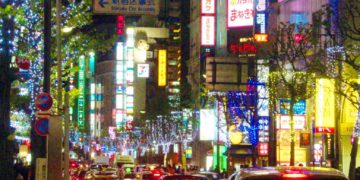
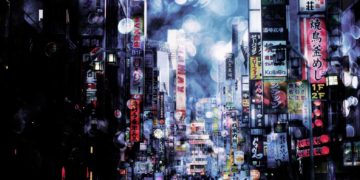
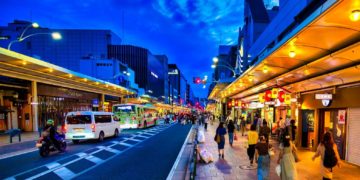
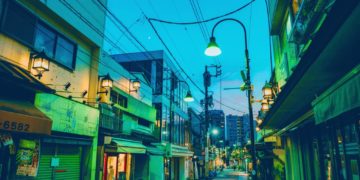
Japanese cuisine is celebrated worldwide—but when the sun goes down, it transforms into something even more intimate, flavorful, and alive. In Japan, eating at night isn’t just about food—it’s about people, place, and atmosphere. Whether you’re navigating a back-alley izakaya, sipping sake under lantern light, or trying regional street foods at a yatai (food stall), nighttime dining in Japan is a cultural experience all its own.
This article dives into five distinct food-and-drink-based experiences that can only truly be appreciated after dark.
1. Nightlife at the Izakaya: Japan’s Living Rooms
What is an Izakaya?
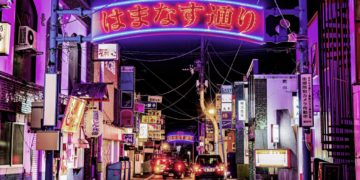
An izakaya is part restaurant, part pub, and part social club. It’s where coworkers relax, couples flirt, and solo diners sip slowly at the counter while chatting with the chef. The name literally means “stay-drink-place,” and that’s exactly what you’ll want to do. Izakayas range from traditional tatami-matted establishments to neon-lit modern joints hidden in city basements.
What to Order
Japanese izakaya menus are built for sharing. Each dish is small, seasonal, and perfectly paired with alcohol. Some of the must-try items include:
- Tori karaage: Juicy Japanese-style fried chicken with a squeeze of lemon.
- Nasu dengaku: Char-grilled eggplant glazed with a sweet-savory miso paste.
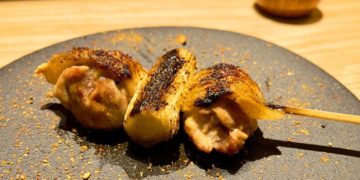
- Yakitori: Chicken skewers grilled over charcoal, seasoned simply with salt or tare sauce.
- Seasonal sashimi: Fresh cuts of local fish, often presented with wasabi and shiso.
- Atsukan: Hot sake, ideal during chilly nights.
- Nama biiru: Cold draft beer, typically served in frosty mugs.
Top Spots for Izakaya Culture
- Nakano (Tokyo): A haven for underground drinking scenes, known for narrow alleys like “Nakano Sunmall.”
- Tsuruhashi (Osaka): Korean-Japanese fusion izakayas in a lively area full of yakiniku joints and mixed cultures.
- Tenjin/Nakasu (Fukuoka): Stylish riverside izakaya rows offering seafood specialties and panoramic views.
Cultural Tips
- Izakayas often charge a small cover fee (called “otoshi”) that includes a starter dish.
- You’re not expected to tip—service is included.
- Don’t pour your own drink: pour for your friends and let them pour for you—this is a social ritual.
2. Sake and Shochu Tasting: A Night of Regional Discovery
Understanding the Drinks
Japan’s national drinks tell stories of local climates, agriculture, and traditions.
- Sake (nihonshu): Brewed from polished rice and water, sake varies by region, with colder areas producing cleaner, crisper flavors, and warmer regions yielding fuller-bodied brews.
- Shochu: A distilled spirit with a lower alcohol content than whiskey but higher than sake. Made from ingredients like sweet potato (imo), barley (mugi), or rice (kome), and popular especially in southern Japan.
Tasting Experiences
Visitors can explore tasting flights at sake bars, izakaya, or specialty breweries.
- Sake flights: Often feature three to five varieties, arranged by flavor or production region.
- Pairing sessions: Include small plates like pickled vegetables, smoked fish, or regional cheeses.
- Workshops: Some venues offer guided tastings with explanations of brewing techniques and regional distinctions.
Where to Go
- Kurand Sake Market (Tokyo): Offers self-serve fridges with 100+ craft sake labels and all-you-can-drink pricing.
- Sake Bar Yoramu (Kyoto): A cozy hidden gem known for rare, aged sakes and multilingual staff.
- Kagoshima Shochu Street: An entire street in southern Japan dedicated to exploring different styles of shochu, with tasting sets and educational materials.
What You’ll Learn
- The difference between junmai (pure rice sake) and daiginjo (highly polished premium sake).
- Why terroir—local water, rice type, and seasonal brewing conditions—matters.
- How to serve sake cold, warm, or room temperature depending on its style.
3. Yatai and Night Food Markets: Street Food After Sunset
Fukuoka’s Yatai Culture
Yatai are pop-up food stalls, typically appearing in the evening and operating until late night. Fukuoka is the last major city in Japan where yatai culture thrives.
- Location: Along the Naka River, in Tenjin and Nakasu.
- Food to try: Hakata ramen (pork bone broth), oden (hotpot stew), mentaiko (spicy cod roe), gyoza, and yakitori.
- Atmosphere: Chatty, casual, and perfect for meeting locals.
Osaka’s Tachinomi Culture
“Tachinomi” translates to “stand-and-drink.” These casual bars are where locals stop for a quick drink and snack on their way home.
- Popular areas: Ura-Namba, Tenma, and Shinsekai.
- Recommended dishes: Kushikatsu (fried skewers), nikomi (simmered organ meat stew), and Japanese-style pickles.
Asakusa and Ueno Night Markets (Tokyo)
While not “markets” in the traditional sense, these neighborhoods offer alleyways packed with izakayas and snack stands that feel like open-air food courts.
- Try: Squid on a stick, grilled corn, yakisoba, and sake-in-a-can from vending machines.
- Events: Seasonal night markets around festivals (matsuri) often bring food stalls and entertainment.
4. Dessert and Tea After Dark: Sweet Nightcaps, Japanese-Style
Night Cafés and Wagashi Bars
In Japanese culture, dessert is not overly sweet but rather balanced and seasonal. Nighttime dessert culture caters to couples, solo travelers, and night owls looking to end their evening on a quiet note.
Popular Nighttime Desserts
- Matcha parfait: Served in tall glasses with layers of sponge cake, red bean paste, jelly, mochi, and whipped cream.
- Anmitsu: A refreshing combination of agar jelly, fruits, and sweet syrup.
- Yokan: A jellied dessert made from red bean paste and sugar, with seasonal ingredients like sakura petals.
Where to Go
- Toraya Café (Tokyo/Aoyama): A minimalist modern space that reinterprets traditional wagashi.
- Kagizen Yoshifusa (Kyoto): Offers candle-lit tea and sweets, with a quiet garden view.
- Nishiki Market Night Events (Kyoto): Occasionally open in the evening with specialty dessert and tea tastings.
5. Story-Driven Dining: Food Meets Art, Music, and Culture
Creative Fusion Concepts
Literature and Food Pairings
Some book cafés and galleries offer meals based on famous Japanese literature, allowing diners to immerse themselves in narrative and flavor at the same time.
- Downstairs Book Bar (Tokyo): Features tasting menus tied to Haruki Murakami or Yasunari Kawabata stories.
Jazz Kissaten + Curry Combo
“Kissaten” are old-style coffee shops. At night, many transform into cozy music lounges where curry rice and jazz coexist.
- Locations: Kobe’s Kitano district and Osaka’s Nakazakicho.
Cultural Dinner Shows
Some ryotei (traditional restaurants) include short performances of shamisen, geisha dance, or poetry readings alongside multi-course meals.
- Cities: Kanazawa, Kyoto, and Nagoya.
- Experience: Guests may be invited to play drinking games or ask questions about kimono and geisha culture.
Practical Tips for Enjoying Night Food Culture
| What to Know | Details |
|---|---|
| Reservations | High-end sake bars and geisha dinners require advance booking. |
| Budget | Izakaya: ¥3,000–6,000 / Tastings: ¥2,000–5,000 / Street food: ¥500–1,500 |
| Etiquette | Always say “gochisousama” after eating. |
| Cash vs. Card | Many yatai and tachinomi bars are cash only. |
| Language | Pointing and simple English work well. Use Google Translate or image menus if needed. |
Conclusion
To eat in Japan at night is to do far more than dine—it’s to enter someone’s story. It might be a sake brewer’s regional pride, a yatai chef’s decades-old recipe, or a grandmother’s dessert reinvented for a café. Whether you’re slurping ramen on a riverside stool or sipping shochu while jazz plays on vinyl, you’re not just consuming calories—you’re taking part in culture.
So next time you wonder what to do after sunset in Japan, skip the usual nightlife routine and instead: Eat. Drink. Listen. Learn. And taste Japan’s soul after dark.