




— Where Late Nights Meet Local Intimacy —
Nagasaki Nights Beyond Imagination
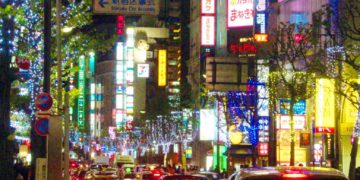
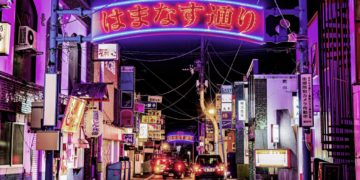
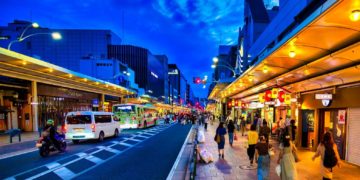
When the sun dips behind Mount Inasa and Nagasaki’s harbor lights begin to twinkle, a quieter transformation takes place inland. Here, beneath the surface of what appears to be just another sloping city street, lies Shianbashi—a district where the line between public and private blurs, and where night becomes personal.
Shianbashi isn’t built for spectacle. It doesn’t cater to trend-followers or Instagram-seekers. Instead, it invites the curious, the solo traveler, the conversationalist, and those looking to discover what Japan truly feels like after hours.
Snack Bars 101: Japan’s Quietest Subculture
To the uninitiated, snack bars might seem opaque or intimidating. But at their heart, they are one of the most accessible and emotionally rich aspects of Japanese nightlife—especially for those traveling alone.
Whereas bars in the West emphasize atmosphere or alcohol, snack bars are about connection. The drinks may be modest, but the emotional attention from the mama-san—the woman who runs the place—is anything but.
Why Locals Love It:
- Escape from formality
- Warmth in regularity—mama remembers your name
- Singing your heart out to enka, shoulder-to-shoulder with strangers
- No rush, no pressure, no judgment
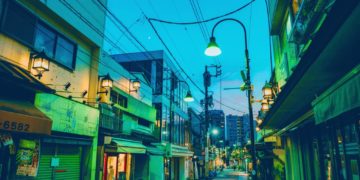
In Nagasaki, this culture thrives not in neon towers, but in multi-level buildings, some barely labeled, nestled along Shianbashi’s steep gradients.
The Art of the First Entry
Don’t Wait to Be Invited
It’s a myth that snack bars are closed circles. While some remain invite-only, many are open to respectful first-timers, especially in a town like Nagasaki, known for hospitality and history.
What’s key is how you enter:
- Gently slide open the door (many don’t swing).
- Nod with a soft “Konbanwa”.
- If the vibe is warm, take a seat. If unsure, say:
- “Daijoubu desu ka? Hitori desu.” (Is it okay? I’m alone.)
The mama-san will read your tone and energy—and if all’s well, she’ll smile and pour your first drink.
Tips for Non-Japanese Speakers
- Pointing politely at a bottle works wonders.
- Learn “Toriaezu, shochu onegai shimasu” (I’ll start with a shochu).
- Use expressions like:
- “Ii oto desu ne” (Nice sound) during karaoke
- “Omakase de” (Your recommendation) when choosing a snack
These little efforts build instant rapport.
Karaoke: More Than Singing
In Shianbashi’s snack bars, karaoke isn’t entertainment—it’s emotional currency.
When a weathered local croons a Takahashi Mariko song with closed eyes, it’s not about performance. It’s nostalgia, heartbreak, hometown pride. Foreigners who dare try—even just a Beatles tune—often find themselves cheered, toasted, and remembered.
If you’re brave enough, ask to sing a Japanese classic:
- “Ue o Muite Arukou” (Sukiyaki Song) – melancholic but hopeful
- “Tsunami” by Southern All Stars – emotional rock ballad
- “Kitajima Saburou” hits – for the bold, deep-voiced types
Beyond Drinks: Why Mama-san Matters Most
A great mama-san doesn’t just serve drinks—she curates energy. She decides the flow of conversation, mediates unspoken tensions, and makes sure everyone feels included. She’ll:
- Offer warm towels (oshibori)
- Remember your drink from last time
- Introduce you to regulars
- Handle rowdy customers with grace
Some have run their bar for over 30 years, seeing generations come and go. Don’t be surprised if the woman pouring your drink once entertained city mayors or authors.
Ask About Her Story
Many will happily tell you—especially if you show respect and interest.
Building a Night: Sample Route Through Shianbashi
Here’s how to design a night through the multi-level snack ecosystem of Shianbashi.
| Time | Venue | Activity | Notes |
|---|---|---|---|
| 9:30 PM | Snack Hikari | Warm welcome, conversation starter | Friendly mama, light snacks |
| 10:45 PM | Snack Ikoi | Dive into karaoke, sip whisky | Good for longer stays |
| 12:00 AM | Bar Kado | Wind down with cocktails | No cover, foreigners welcome |
| 1:00 AM | Kiyokawa Yokocho Snack Alley | Stroll & peek into bar doors | Some are open til 3 AM |
Drinks and Rituals Unique to Nagasaki
Shochu: Kyushu’s Signature Spirit
Shochu here isn’t just strong—it’s cultural. Locals drink it:
- Mizu-wari (with water)
- Oyuwari (with hot water in winter)
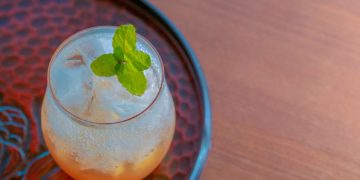
- Ume-wari (with plum juice)
Don’t gulp. Sip slowly, toast occasionally.
Bottle Keep System
Frequent guests will buy a full bottle and have their name labeled on it, stored behind the counter. Some bars line their walls with hundreds of personal bottles—a liquid record of loyalty.
Snack Bar Shopping: Picking the Right One
With so many tiny venues, how do you choose?
- Look for signs with:
- “Snack” or “バー” (bar)
- Images of women or musical notes
- Open doors = inviting
- Closed curtains = inquire gently
- Busy but quiet? Likely a good pick
Trust Your Gut
Don’t over-plan. The charm of snack culture lies in letting yourself be surprised.
FAQs About Snack Culture in Nagasaki
Q1: Do I need to tip at snack bars?
A: Tipping isn’t expected. If you wish to thank a mama-san, bring a small gift or pay a compliment.
Q2: Is there a cover charge?
A: Often yes (~¥500–1,000), but it usually includes snacks or karaoke.
Q3: Can I take photos inside?
A: Ask first. Some places allow, others protect privacy. Never photograph other guests without consent.
Q4: Is there a dress code?
A: Casual is fine, but avoid tank tops or dirty clothes. Respect the vibe.
Q5: Are foreigners truly welcome?
A: In Shianbashi, yes—especially in venues recommended above. Kindness and curiosity are your keys.
Final Thoughts: Singing to the Slopes of Shianbashi
Unlike Tokyo or Osaka, Nagasaki’s nightlife isn’t about scale—it’s about subtlety and story. In Shianbashi, a small room with 6 seats can feel like a family reunion. A shared ballad becomes your memory anchor. And a warm glass of shochu becomes your passport into a microcosm of Japanese hospitality.
Come not just to drink—but to belong, even if just for a night.