





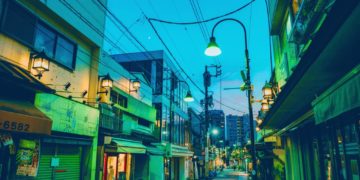

Discovering the intimate world of Hokkaido’s most authentic multi-story bar culture
Introduction: The Secret Address That Defines Sapporo Nights
In a city famous for its beer gardens, snow festival, and tourist-friendly crab restaurants, the most authentic drinking experience in Sapporo hides behind an address that means nothing to outsiders but everything to locals: South 6 West 4. This seemingly arbitrary intersection in the heart of Susukino district contains one of Japan’s most concentrated and authentic drinking cultures, where entire buildings function as vertical neighborhoods of tiny bars, intimate snack lounges, and family-run establishments that have been serving the same customers for decades.
Unlike the sprawling entertainment complexes of Tokyo or the tourist-oriented beer halls that dominate Sapporo’s international reputation, South 6 West 4 operates according to principles that reflect Hokkaido’s distinctive cultural character—unpretentious hospitality, democratic socializing, and the kind of genuine warmth that develops when harsh winters create communities of mutual support and shared survival.
Here, in converted office buildings and repurposed residential structures, dozens of tiny establishments create vertical drinking villages where regulars from different professions, age groups, and social backgrounds gather nightly to maintain social connections that extend far beyond casual entertainment. This is where Sapporo’s salary workers decompress after long days, where local business owners network informally, and where the city’s authentic social culture reveals itself through shared drinks and conversation that can stretch until dawn.
For visitors seeking genuine insight into Hokkaido’s distinctive approach to hospitality and social interaction, South 6 West 4 offers experiences that cannot be found anywhere else in Japan—intimate community spaces where the boundaries between proprietor and customer, regular and newcomer, business and friendship blur in ways that reflect the collaborative spirit that has always defined life in Japan’s northern frontier.
The Architecture of Intimate Community
Understanding Building Bar Culture
South 6 West 4’s distinctive drinking culture unfolds across multi-story buildings where each floor contains multiple tiny establishments, creating vertical communities that function more like apartment complexes for social interaction than conventional commercial districts. These buildings typically house 10-15 individual bars, snack lounges, and karaoke spaces within structures originally designed for office or residential use.
The conversion of these buildings reflects practical economics and cultural preferences that distinguish Hokkaido from mainland Japan. Limited downtown real estate, harsh winter weather that encourages indoor socializing, and cultural values that prioritize intimate community over anonymous entertainment all contributed to the evolution of building-based bar culture that maximizes social density while minimizing operational overhead.
The Philosophy of Tiny Spaces
Individual establishments within South 6 West 4’s building complexes typically seat 6-12 customers, creating intimate atmospheres where everyone participates in ongoing conversations and social dynamics. These space limitations aren’t constraints but features that force social interaction, break down barriers between strangers, and create the kind of democratic socializing that defines authentic Japanese drinking culture.
The tiny scale requires different social skills and cultural approaches than large-venue entertainment. Customers must be willing to engage with other patrons, adapt to ongoing conversations, and contribute positively to group dynamics that can make or break the evening’s atmosphere for everyone present.
Vertical Neighborhood Navigation
Navigating South 6 West 4’s building complexes requires understanding informal directory systems, social networks that span multiple establishments, and the cultural protocols that govern movement between different venues within the same building structure. Many buildings feature informal information networks where proprietors recommend customers to other establishments based on compatibility, interests, or social chemistry.
This vertical community structure creates opportunities for bar-hopping that requires minimal outdoor navigation during Sapporo’s harsh winters while providing access to diverse social environments and entertainment options within walking distances measured in meters rather than blocks.
The Mama-san Culture: Heart of Hokkaido Hospitality
Understanding Snack Bar Social Dynamics
The snack bar (sunakku) culture that dominates South 6 West 4 represents one of Japan’s most misunderstood social institutions, where skilled hostesses known as mama-san create warm, inclusive environments that function as combination social club, counseling service, and extended family for regular customers. These establishments prioritize conversation, emotional support, and genuine relationship building over the transactional entertainment that characterizes more commercial nightlife options.
Authentic mama-san culture requires understanding the distinction between entertainment and companionship, where skilled hostesses excel at creating atmosphere where customers feel valued, understood, and socially connected rather than simply served. The best mama-san possess sophisticated social skills, emotional intelligence, and genuine interest in their customers’ lives and well-being.
The Art of Inclusive Hospitality
Unlike exclusive hostess bars that cater to wealthy business clients, South 6 West 4’s snack culture practices democratic hospitality that welcomes customers from diverse economic and social backgrounds. This inclusivity reflects Hokkaido’s frontier heritage, where survival often depended on mutual support across social boundaries and where authentic relationships matter more than formal status or financial capacity.
Successful participation in snack culture requires willingness to engage in genuine conversation, respect for other customers regardless of background, and appreciation for the social skills and emotional labor that mama-san provide in creating welcoming community spaces.
Building Long-Term Relationships
The mama-san culture of South 6 West 4 operates on long-term relationship building rather than single-visit entertainment, where regular customers develop ongoing friendships with proprietors and fellow patrons that extend beyond commercial transactions. These relationships often provide social support, business networking opportunities, and genuine community connections that enrich participants’ lives in ways that conventional entertainment cannot match.
For visitors, building temporary relationships with mama-san and regular customers requires genuine interest in cultural exchange, respect for established social dynamics, and willingness to contribute positively to community atmospheres rather than treating snack bars as exotic entertainment experiences.
The BYOB Revolution: Food Integration and Community Building
Understanding Bring-Your-Own-Food Culture
One of South 6 West 4’s most distinctive features involves establishments that encourage or require customers to bring their own food, creating unique social dynamics where sharing meals becomes community building activity. This BYOB (Bring Your Own Bento) culture reflects practical economics, cultural traditions, and social values that distinguish Hokkaido’s drinking culture from more commercially oriented entertainment districts.
The food-sharing tradition creates opportunities for cultural exchange, demonstrates trust and community membership, and allows establishments to focus on drinks and social atmosphere while customers contribute to the communal dining experience. This collaborative approach reflects broader Hokkaido values of mutual support and shared responsibility.
Sapporo’s Local Food Integration
The BYOB culture of South 6 West 4 showcases Hokkaido’s exceptional local food culture, as customers often bring regional specialties, seasonal ingredients, and homemade preparations that demonstrate the prefecture’s agricultural abundance and distinctive culinary traditions. These food contributions become conversation starters, cultural education opportunities, and demonstrations of local pride.
Understanding appropriate food choices for BYOB establishments—fresh seafood, local agricultural products, seasonal preparations—helps visitors participate meaningfully in this cultural tradition while showing respect for Hokkaido’s distinctive culinary heritage.
Social Protocols Around Food Sharing
Food sharing in South 6 West 4 establishments follows informal protocols that govern appropriate contributions, sharing etiquette, and reciprocity expectations. These social rules ensure that food sharing enhances rather than complicates social dynamics while creating opportunities for genuine cultural exchange and community building.
Learning these protocols—offering to share, accepting others’ contributions gracefully, and understanding reciprocity expectations—helps visitors participate appropriately in this distinctive aspect of Sapporo’s drinking culture.
Establishment Profiles: The Hidden Gems of South 6 West 4
Bar Hokkaido: The Welcome Mat for Newcomers
Located on the third floor of the main South 6 West 4 building complex, Bar Hokkaido has earned reputation as the most welcoming establishment for first-time visitors to the district. The mama-san, Yuki, speaks basic English and excels at integrating newcomers into ongoing social dynamics while educating them about local drinking customs and cultural expectations.
The establishment’s eight-seat counter creates intimate atmosphere where conversation flows naturally between regulars and visitors, while the BYOB policy allows newcomers to contribute to communal dining experiences that demonstrate respect for local customs.
Recommended Experience: Arrive around 8 PM with local convenience store food contributions. Allow Yuki to guide introductions and social integration while learning about Hokkaido drinking culture from experienced regulars.
Cultural Value: Optimal introduction to South 6 West 4 culture with minimal language barriers and maximum cultural education opportunities.
Snack Shiretoko: The Local Business Network Hub
Named after Hokkaido’s famous national park, Snack Shiretoko functions as an informal networking center for local business owners, government employees, and service industry professionals who use the establishment for relationship building and information exchange that supports Sapporo’s local economy.
The mama-san, Sachiko, maintains extensive knowledge about local business conditions, employment opportunities, and social connections that make her establishment valuable for both networking and cultural insight into Hokkaido’s economic and social structures.
Recommended Experience: Evening visits (after 9 PM) when business networking activities are most active. Demonstrate genuine interest in Hokkaido business culture and local economic conditions.
Cultural Value: Insight into contemporary Hokkaido business culture and local economic relationships unavailable through conventional tourism.
Lounge Snow Crystal: The Multi-Generational Meeting Ground
This establishment attracts customers ranging from university students to retirees, creating unique intergenerational social dynamics that reflect Hokkaido’s strong community traditions. The proprietor, known as Mama Yuki, excels at facilitating conversations that bridge age gaps while maintaining respectful atmosphere for all customers.
The establishment’s larger space (12 seats) accommodates diverse customer groups while maintaining intimate atmosphere that encourages cross-generational interaction and cultural exchange.
Recommended Experience: Weekend evenings when intergenerational mixing is most prominent. Observe and participate in conversations that span different age groups and life experiences.
Cultural Value: Understanding contemporary Japanese intergenerational relationships and community building across age boundaries.
Karaoke Bar Rausu: The Musical Community Center
Combining traditional bar service with karaoke facilities, Bar Rausu creates environments where musical performance becomes community building activity. The establishment’s song selection emphasizes Japanese classics, Hokkaido folk songs, and popular music that encourages group participation rather than individual performance.
The karaoke culture here differs significantly from commercial karaoke venues, emphasizing community singing, musical education, and cultural preservation through shared musical experiences.
Recommended Experience: Join group singing sessions rather than requesting individual performance time. Learn traditional Hokkaido songs and participate in community musical activities.
Cultural Value: Experience authentic Japanese community karaoke culture that preserves traditional music while building social connections.
The Sapporo Social Protocols
Understanding Hokkaido Hospitality Differences
Hokkaido’s approach to hospitality reflects the prefecture’s distinctive cultural development, where frontier conditions created more egalitarian social structures and direct communication styles than those found in other parts of Japan. South 6 West 4’s drinking culture embodies these differences through unpretentious service, democratic social interactions, and genuine warmth that doesn’t require elaborate formality.
Understanding these cultural differences helps visitors appreciate why Sapporo’s drinking culture feels more accessible and immediately welcoming than the more formal entertainment districts found in other Japanese cities.
Language and Communication Strategies
While English language skills are limited in most South 6 West 4 establishments, the intimate scale and community-oriented atmosphere often facilitate communication through gestures, shared activities, and the kind of patient cultural exchange that formal language instruction cannot replicate.
Learning basic Japanese drinking vocabulary, Hokkaido regional expressions, and polite conversation patterns enhances interaction while demonstrating respect for local culture and genuine interest in meaningful cultural exchange.
Gift-Giving and Reciprocity Traditions
Hokkaido’s gift-giving culture emphasizes practical value and local products over expensive or elaborate presentations. Appropriate gifts for South 6 West 4 establishments include regional food specialties, craft items that represent visitors’ home cultures, and contributions to shared experiences rather than individual recognition.
Understanding reciprocity expectations—how to accept hospitality gracefully, when to offer reciprocal gestures, and appropriate ways to show appreciation—helps build positive relationships while respecting local cultural values.
Seasonal Rhythms and Cultural Celebrations
Winter: The Community Survival Season
Sapporo’s harsh winters create social dynamics where South 6 West 4’s intimate establishments become essential community support systems. The establishments extend their social functions beyond entertainment to include practical support, emotional comfort, and genuine community connection that helps residents survive psychological and social challenges of extended winter conditions.
Winter visits provide opportunities to experience this community support function while understanding how environmental conditions shape social culture and interpersonal relationships in ways that temperate climates cannot replicate.
Spring: Renewal and Celebration
Spring’s arrival in Sapporo creates celebratory atmospheres throughout South 6 West 4 as establishments host informal parties, seasonal food celebrations, and community gatherings that reflect genuine relief and joy at surviving another Hokkaido winter.
These spring celebrations often feature local seasonal foods, special drink preparations, and community activities that demonstrate the deep connection between natural cycles and social culture that defines life in Japan’s northern prefecture.
Summer: Festival Integration and Extended Hours
Sapporo’s brief but intense summer season sees South 6 West 4 establishments extending their hours and integrating with citywide festival celebrations that bring together local and international visitors in ways that showcase Hokkaido’s distinctive hospitality traditions.
Summer visits offer opportunities to participate in festival-related celebrations while experiencing the community’s approach to welcoming outsiders during peak tourism seasons.
Autumn: Harvest Celebrations and Local Pride
Autumn brings opportunities to experience Hokkaido’s agricultural abundance through food celebrations, local product tastings, and community gatherings that demonstrate regional pride and cultural identity built around the prefecture’s distinctive natural resources.
These harvest-related activities often provide educational opportunities about Hokkaido’s agricultural development, environmental stewardship, and the relationship between natural resources and cultural identity.
Economic Culture and Community Support
Understanding Pricing and Value Systems
South 6 West 4’s pricing structures reflect community-oriented values rather than profit maximization, with many establishments charging modest fees that prioritize accessibility over revenue generation. This economic approach reflects Hokkaido’s community values while creating sustainable business models that depend on regular customer loyalty rather than high-margin transactions.
Understanding these economic relationships helps visitors appreciate the community function these establishments serve while supporting sustainable business practices through appropriate patronage and respect for pricing structures.
Supporting Local Business Networks
Many South 6 West 4 establishments participate in informal business networks that support each other through customer referrals, shared resources, and collaborative marketing that strengthens the overall district’s economic sustainability.
Visitors can support these networks by patronizing multiple establishments, following proprietor recommendations, and demonstrating appreciation for the collaborative business culture that maintains the district’s distinctive character.
Investment in Community Infrastructure
The success of South 6 West 4’s drinking culture depends on ongoing investment in community infrastructure—building maintenance, shared utilities, and collaborative activities that require customer support beyond simple commercial transactions.
Understanding appropriate ways to contribute to this community infrastructure—through consistent patronage, positive word-of-mouth, and respect for shared spaces—helps sustain the cultural and economic foundations that make these experiences possible.
Navigation and Practical Considerations
Building Access and Floor Navigation
South 6 West 4’s building complexes feature informal directory systems, often including hand-written signs, customer recommendations, and word-of-mouth directions that require patience and willingness to explore rather than precise navigation instructions.
Understanding these informal systems—asking for directions, observing other customers’ movement patterns, and accepting that finding specific establishments might require multiple attempts—becomes part of the cultural experience rather than obstacle to overcome.
Timing and Crowd Management
Different establishments within South 6 West 4 buildings attract different demographics at various times, creating opportunities for strategic timing that maximizes cultural exposure while avoiding overcrowding or inappropriate social mixing.
Understanding peak hours, demographic patterns, and establishment-specific timing helps visitors optimize their experiences while respecting the social dynamics that make these venues valuable for regular customers.
Safety and Emergency Protocols
The intimate scale and building-based structure of South 6 West 4 creates unique safety considerations, including emergency exit procedures, building security systems, and cultural protocols for addressing problems that might arise in close-quarters social situations.
Understanding these protocols enhances personal safety while demonstrating respect for the community safety systems that allow these intimate social environments to function successfully.
Cultural Context and Regional Identity
Hokkaido’s Distinctive Social Development
South 6 West 4’s drinking culture reflects broader aspects of Hokkaido’s cultural development as Japan’s frontier prefecture, where social structures developed differently from those in other parts of the country due to environmental conditions, settlement patterns, and economic necessities.
Understanding this historical context helps visitors appreciate why Sapporo’s social culture feels different from other Japanese cities while recognizing the environmental and historical factors that shaped these distinctive cultural characteristics.
Contemporary Challenges and Adaptation
Like many aspects of traditional Japanese culture, South 6 West 4’s intimate bar culture faces challenges from changing demographics, economic pressures, and cultural shifts that threaten the social and economic foundations that sustain these community-oriented establishments.
Recognizing these challenges helps visitors understand the importance of cultural preservation while supporting authentic experiences through appropriate patronage and cultural respect that helps sustain these disappearing social institutions.
Integration with Modern Sapporo
South 6 West 4’s traditional drinking culture coexists with Sapporo’s modern development as an international city, creating interesting tensions and adaptations that reflect broader challenges facing traditional Japanese culture in contemporary settings.
Understanding this integration provides insight into how traditional social institutions adapt to modern conditions while maintaining their essential character and community functions.
Conclusion: Discovering Authentic Hokkaido Community
South 6 West 4 offers something increasingly rare in contemporary Japan: authentic community spaces where social connection, mutual support, and genuine hospitality create meaningful relationships that extend far beyond commercial entertainment. The district’s building-based bar culture represents a distinctive approach to urban social life that reflects Hokkaido’s unique environmental conditions, cultural history, and community values.
For international visitors seeking genuine insight into Japanese social culture beyond tourist-oriented presentations, South 6 West 4 provides access to active community institutions where participation requires cultural sensitivity, social skills, and genuine interest in relationship building rather than casual consumption of exotic experiences.
The investment in cultural preparation, language learning, and social awareness required for meaningful participation in South 6 West 4’s drinking culture yields experiences that enhance understanding of Japanese community building, regional identity, and the social institutions that continue to provide meaning and connection in contemporary urban life.
This isn’t entertainment in the conventional sense—it’s participation in living community culture where social relationships, mutual support, and genuine hospitality create environments that nourish human connection in ways that commercial entertainment cannot replicate. The mama-san who remembers your preferred drink, the regular customers who become temporary friends, and the establishment proprietors who treat their venues as community centers all contribute to social experiences that demonstrate how traditional Japanese values adapt to contemporary urban conditions.
In South 6 West 4’s intimate establishments, where building-based communities create vertical neighborhoods and BYOB culture transforms drinking into collaborative dining, visitors can discover how authentic Japanese hospitality functions when freed from commercial pressures and tourist expectations. Here, in Sapporo’s hidden drinking district, community building continues through shared drinks, collaborative meals, and genuine social connection that reflects the collaborative spirit that has always defined life in Japan’s northern frontier.
The address may be arbitrary—South 6 West 4—but the community it contains represents something essential about human social needs and the institutions that develop to meet them when cultural values prioritize relationship over transaction, community over individual consumption, and genuine hospitality over commercial service.