





Introduction: The Surprise Bill at a Japanese Izakaya
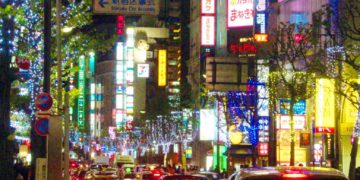
Imagine this: You’re seated at a cozy izakaya in Shibuya. The atmosphere is warm, the menu is full of tempting small plates, and before you’ve even ordered anything, a small dish appears on your table—perhaps a few pickled vegetables or a delicate tofu appetizer. You enjoy the food, assuming it’s a complimentary welcome snack.
But when the bill arrives, you notice an unexpected charge—typically ¥300 to ¥800 per person. What just happened?
Welcome to the world of table charges and otōshi, a system that confuses many first-time visitors but is deeply embedded in Japan’s dining and hospitality culture. This article breaks down what these fees are, why they exist, and how travelers can navigate them respectfully and wisely.
What Is a Table Charge?
In many Japanese dining establishments, especially izakaya (居酒屋) and bars, customers are assessed a table charge, known as:
- 席料 (seki-ryō) — literally “seat fee”
- チャージ (chāji) — transliteration of “charge”
This fee ranges from ¥300 to ¥800 and is applied per person, not per table. It’s not a scam, nor is it a mistake. It’s an expected part of the dining experience in many places.
Think of it as the price of entry—like a cover charge at a bar. But unlike Western-style cover fees, Japan’s version usually comes with a small dish.
What Is Otōshi?
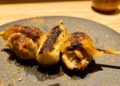
Otōshi (お通し) refers to a small appetizer or starter that is served automatically when you sit down. This dish is generally not listed on the menu and is not optional once brought to the table.
Common otōshi dishes include:
- Pickled vegetables (tsukemono)
- Simmered root vegetables
- Small sashimi or tofu portions
- Seasonal delicacies
While the dish itself is not charged separately, it is covered under the table charge. So, when you pay that ¥500 or ¥600, it’s partially for the seat and partially for this welcome snack.
In Kansai (Osaka, Kyoto), this is sometimes called tsukidashi (突き出し), but the practice is essentially the same.
Historical and Cultural Background
The tradition of otōshi dates back to post-war Japan, when izakaya began offering simple snacks to customers as a courtesy while they waited for drinks or food to be prepared.
This evolved into a standard part of izakaya operations, serving multiple purposes:
- Greeting customers: Otōshi acts like a welcome mat, setting the tone for service.
- Managing kitchen flow: It buys time for the kitchen to prepare larger orders.
- Supporting small businesses: For many independent izakaya, the table charge provides a stable form of revenue.
It also aligns with the Japanese concept of omotenashi (おもてなし)—a form of sincere hospitality where the guest’s comfort is proactively cared for.
Reactions from Tourists: Confusion and Frustration
Understandably, many tourists are puzzled—or even frustrated—when they see a charge for something they didn’t knowingly order. Reactions vary:
- “Why am I paying for food I didn’t choose?”
- “It wasn’t on the menu!”
- “Can I refuse it?”
These are fair questions. In most countries, unsolicited food incurs no charge. But in Japan, it’s part of the service culture, not an upsell.
Some visitors assume they’re being overcharged or targeted. But rest assured, Japanese locals pay the exact same fees.
How to Handle It as a Tourist
Rather than seeing it as a negative surprise, consider these tips:
✅ Ask upfront: Before being seated, you can politely ask, “Is there a table charge?” Most staff will explain in simple English or with a gesture.
✅ Understand it’s not a tip: Japan doesn’t practice tipping. The table charge helps support service and ambiance.
✅ Budget for it: If you’re dining at an izakaya or small bar, add ¥500–¥800 per person to your mental total.
✅ Choose wisely: If you’re on a tight budget or want to avoid extra charges, opt for chains like Saizeriya, ramen shops, or kaitenzushi (conveyor-belt sushi), which rarely have table charges.
Where to Expect Table Charges
You’ll most often encounter otōshi and table charges at:
- Izakaya (especially non-chain or traditional ones)
- Yakitori and robatayaki restaurants
- Jazz bars, whiskey bars, and cocktail lounges
- Nightclubs with seating
Places that generally do not have table charges:
- Family restaurants (Gusto, Jonathan’s)
- Ramen and udon shops
- Most cafés and coffee shops
- Fast food and takeout establishments
Can You Refuse the Otōshi?
In short: No—not unless the establishment offers a no-charge option and you specify before being seated.
Once you’ve sat down and the dish has been served, declining it is often considered impolite or disruptive to the flow of service.
However, some places in tourist-heavy areas (e.g., Shibuya, Asakusa, Kyoto) may:
- Display a sign in English about the charge
- Offer the option to decline the otōshi before being seated
But these are exceptions, not the rule.
A Symbol of Omotenashi (Japanese Hospitality)
Understanding otōshi and table charges is a great way to experience Japanese culture more deeply. Rather than thinking of it as a trick, view it as:
- A mini-course, chosen by the chef
- A gesture of welcome
- A way to enjoy local, seasonal bites
Plus, many otōshi are surprisingly delicious and reflect the personality of the establishment. Some regulars even look forward to the mystery dish!
Final Thoughts
Yes, the otōshi system can feel foreign and opaque to outsiders—but it’s also a small window into Japanese values around food, service, and respect.
By approaching it with curiosity rather than skepticism, you’ll find it enriches your dining experience rather than detracts from it. Next time you’re served that little plate of pickles or simmered fish, take a bite, smile, and say: “いただきます。”
📎 Learn more about Japanese drinking culture at: https://afterdarkjapan.com