












Introduction
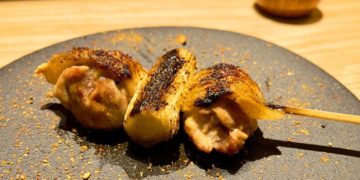
Yakitori—grilled chicken skewers—may seem like a simple street food at first glance, but in Japan, it represents a rich culinary tradition rooted in post-war innovation, local craftsmanship, and community culture. From casual street stalls to high-end yakitori specialty restaurants, this dish is one of Japan’s most beloved foods for both locals and travelers. In this in-depth guide, we’ll explore the history of yakitori, the most popular cuts, regional nuances, dining etiquette, and where to eat yakitori in Tokyo, Osaka, and beyond.
1. The Origins and History of Yakitori
a. Early Roots
The practice of grilling meat on skewers has existed globally for centuries, but yakitori as we know it today began to take shape during the Edo period (1603–1868), when skewered grilled fish and tofu were popular at street stalls. However, poultry was considered a luxury item until the Meiji period (1868–1912).
b. Post-War Popularity
After World War II, economic hardship and food shortages led to a boom in small charcoal grills. Cheap cuts of meat—especially from chicken—became affordable, flavorful meals. Yakitori stalls proliferated around train stations and shopping streets, providing a fast, hot meal.
c. Yakitori as a Culinary Craft
Over time, yakitori evolved from a cheap snack to a delicate culinary craft. Today, high-end yakitori chefs train for years to perfect seasoning, skewering, and grilling methods. In recent decades, yakitori restaurants (called yakitoriya) have risen in status, with some earning Michelin stars.
2. Yakitori Styles and Techniques
a. Tare vs. Shio
Yakitori is typically seasoned in one of two ways:
- Tare: A sweet soy-based glaze made with soy sauce, mirin, sake, and sugar. The skewers are dipped several times while grilling.
- Shio: Simply seasoned with salt, ideal for appreciating the flavor of the meat.
Diners can often request their preferred seasoning style at most yakitoriya.
b. Grilling Method
Yakitori is cooked over binchōtan, a high-quality Japanese charcoal made from oak. It burns hot and clean, imparting a distinct aroma without excessive smoke.
c. Skewering Techniques
Experienced chefs skewer each piece with precision, considering thickness, fat distribution, and cooking time. Skewers are typically rotated by hand for even cooking.
3. Popular Yakitori Cuts and Their Characteristics
Yakitori includes a wide range of chicken parts—each with its own flavor, texture, and fanbase. Here are the most popular types:
| Japanese | English | Description |
|---|---|---|
| Negima | Chicken & Leek | Classic skewer with thigh and scallions |
| Momo | Chicken Thigh | Juicy and flavorful |
| Tsukune | Chicken Meatball | Often served with tare, may include cartilage for texture |
| Kawa | Chicken Skin | Crispy, fatty, and salty |
| Tebasaki | Chicken Wing | Served on or off the bone |
| Nankotsu | Cartilage | Crunchy, sometimes polarizing |
| Reba | Liver | Rich, creamy flavor, often grilled with tare |
| Hatsu | Heart | Chewy and savory |
| Sunagimo | Gizzard | Firm and slightly metallic flavor |
| Bonjiri | Tail (Pope’s Nose) | Very fatty, rich flavor |
Some restaurants also offer seasonal or specialty items like quail eggs (uzura), shishito peppers, or wasabi chicken.
4. Accompaniments and Dining Customs
a. Side Dishes
- Cabbage with miso or salt dressing: Refreshes the palate between skewers
- Pickled vegetables: Help cut through the richness
- Rice or ochazuke: Often served at the end of the meal
b. Drinks
Yakitori is typically paired with:
- Beer: Classic choice for casual yakitori
- Highballs (whisky + soda): Refreshing and not overpowering
- Sake: Works well with tare-seasoned skewers
- Shochu: Popular with salt-seasoned items
c. Dining Etiquette
- Skewers are eaten directly from the stick unless you’re at a formal restaurant
- Don’t double dip if condiments are communal
- Use the provided cup to dispose of empty skewers
- Be mindful of smoke and odor—yakitori spots are often cozy
5. Where to Eat Yakitori in Japan
a. Tokyo
- Toriki (Meguro): Michelin-starred; known for its precision and simplicity
- Bird Land (Ginza): Another Michelin-rated yakitoriya, often paired with sake tasting
- Memory Lane (Omoide Yokocho, Shinjuku): A nostalgic alley of tiny stalls
- Torishiki (Meguro): Extremely difficult to book, but legendary
b. Osaka
- Yakitoriya Sumire: Friendly chains popular with locals, offering affordable quality
- Umeda Yokocho: Alleyway dining culture with casual yakitori spots
- Toriya Kou: Known for creative yakitori cuts and plating
c. Kyoto
- Torito (Pontocho): Elegant yakitori by the river with tatami seating
- Tori Shin: Modern Kyoto-style yakitoriya with local ingredients
d. Fukuoka
- Yakitori Hachibei: Fusion yakitori with modern twists
- Tenjin or Nakasu Yatai Stalls: Street food atmosphere with local flair
e. Hokkaido
- Muroran Yakitori: Uses pork instead of chicken—served with mustard, a regional specialty
6. Regional Yakitori Variations
Different regions offer unique takes on yakitori:
- Muroran (Hokkaido): Pork yakitori with onions
- Nagoya: Miso-glazed yakitori
- Hakata (Fukuoka): Skewers are smaller and grilled faster
- Kushiyaki in Kansai: Broader term that includes pork, vegetables, and beef skewers
7. Home Grilling and Convenience Options
You can also enjoy yakitori outside restaurants:
- Convenience stores (konbini): 7-Eleven and Lawson offer skewers in their hot food sections
- Supermarkets: Often sell ready-made yakitori for bento boxes
- DIY Yakitori Grills: Charcoal or electric grills can be used at home, even on balconies
8. Tips for First-Time Yakitori Diners
- Don’t just order familiar cuts—try organs and cartilage for a full experience
- Ask for a mix of tare and shio to explore flavor balance
- Go early—popular stalls and yakitoriya often run out of select items
- Avoid wearing expensive clothes—smoke is part of the charm!
- Learn a few basic Japanese terms: “Omakase” (chef’s choice), “Shio” (salt), “Tare” (sauce), “Ninniku” (garlic), “Karai” (spicy)
Conclusion
Yakitori isn’t just food—it’s an experience that weaves together Japan’s post-war ingenuity, culinary artistry, and social bonding. Whether you’re enjoying skewers at a Michelin-starred counter or elbowing your way through a smoky stall in a lantern-lit alley, yakitori connects you to the heart of Japanese nightlife and dining culture.
So next time you’re in Japan after dark, grab a skewer (or six), a cold drink, and dive into one of the most delicious and culturally rich food traditions Japan has to offer.
For more guides to Japan’s after-dark culinary gems, visit: https://afterdarkjapan.com