









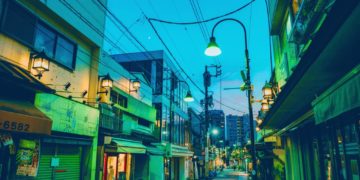

Introduction: When the Leaves Fall, the Appetite Rises
In Japan, autumn (aki 秋) is often considered the most flavorful season of the year. As the intense heat of summer fades, crisp air and brilliant foliage awaken the senses. This is the time when nature is most generous. Mountains, forests, farms, and oceans yield an abundance of rich ingredients that reflect the earth’s fullness. The Japanese even have a phrase for this phenomenon: shokuyoku no aki (食欲の秋) — “autumn, the season of appetite.”
This article explores the seasonal bounty of Japanese autumn through its foods, drinks, cooking styles, traditions, and regional specialties. If you want to understand how Japanese people express gratitude for the year’s harvest, look no further than what they eat between September and November.
1. The Philosophy of Aki no Shun (秋の頃)
The Japanese concept of shun (seasonality) takes on a deeper meaning in autumn. Where summer is about light, hydrating, and cooling foods, autumn marks a return to warmth, umami, and balance.
Autumn food focuses on:
- Root vegetables and earthy flavors
- Hearty seafood, especially those with high fat content
- Fruits harvested at their absolute peak
- Warm and slow-cooked dishes that nourish both body and spirit
Seasonal appreciation is visible in restaurants, bento boxes, and even in wagashi (traditional sweets), which feature motifs of fallen leaves, chestnuts, and moon-viewing.
2. Vegetables and Mountain Foods of Autumn
Kabocha (南瓜 / Japanese Pumpkin)
- Texture: Sweet, starchy, and dense
- Use: Simmered in dashi, pureed into soups, or served as tempura
- Symbolism: Comfort food for home cooking and celebratory meals
Satoimo (野菜 / Taro Root)
- Flavor: Earthy, nutty, and creamy
- Use: Often simmered in soy-based broth with chicken or vegetables
- Note: Considered a “motherly” ingredient, representing care and depth
Ginnan (銀杏 / Ginkgo Nuts)
- Preparation: Skewered and grilled, or added to chawanmushi (savory egg custard)
- Season: Short-lived and tied closely to ginkgo tree foliage
Mushrooms (Matsutake, Shimeji, Enoki, Maitake)
- Highlight: Matsutake is the crown jewel, often grilled with a squeeze of citrus or in dobin-mushi (teapot soup)
- Cultural Role: Symbolizes the forest’s bounty and the fleeting nature of life
Daikon (大根 / Japanese Radish)
- Season: Late autumn
- Use: Grated with grilled fish, stewed in oden, or pickled
3. Autumn Seafood: Rich, Fatty, and Deep in Flavor
As ocean temperatures begin to cool, fish accumulate fat for the winter. This makes autumn the best season for enjoying fish at their most flavorful.
Sanma (三鲜 / Pacific Saury)
- Flavor: Oily, umami-rich
- Method: Grilled whole with salt and served with grated daikon
- Culture: Sanma no shioyaki is an autumn staple at homes and izakaya
Sake (魚 / Salmon)
- Season: Spawning runs occur in fall
- Uses: Salt-grilled (shioyaki), cured (shiozake), or as sushi/sashimi
- Regional note: Hokkaido celebrates the salmon harvest with festivals and traditional dishes
Ika (イカ / Squid)
- Type: Aori-ika and surume-ika
- Use: Grilled, stuffed, or served raw with yuzu soy sauce
Kani (蟹 / Crab)
- Season: Peaks in late autumn and early winter
- Regions: Hokkaido and Fukui (known for snow crab)
- Culinary note: Served steamed, in hot pot, or in luxurious crab rice dishes
Buri (ブリ / Yellowtail)
- Early autumn: Wakashi (young), then hamachi, finally buri
- Late autumn buri is fat-rich and perfect for teriyaki or hot pot
4. Fruits of the Harvest
Autumn fruits in Japan aren’t just sweet — they are deeply symbolic, often associated with moon-viewing, offerings, and home rituals.
Kaki (柿 / Persimmon)
- Varieties: Sweet (fuyu) and astringent (hachiya, best when ripened)
- Uses: Eaten fresh, dried (hoshigaki), or incorporated into sweets
- Cultural presence: Seen in seasonal art, haiku, and as offerings
Nashi (棘 / Japanese Pear)
- Texture: Crisp, juicy, and less acidic than Western pears
- Use: Often eaten raw, sometimes added to salads or savory dishes
Budō (ブドウ / Grapes)
- Notable types: Kyoho (large and sweet), Shine Muscat (crunchy and fragrant)
- Eating: Peeled and chilled
- Wine: Japan’s wine regions like Yamanashi begin harvest season
Apples (Ringo / りんご)
- Prefecture: Aomori dominates the domestic market
- Season: Late autumn into winter
- Use: Fresh, baked, or in desserts like apple pie and compote
5. Rice and Grains: Celebrating the New Harvest
Rice harvested in early autumn (shinmai) is considered more fragrant and moist. The first tasting of the year’s new rice is treated almost like a ritual.
- Shinmai (新米): Served plain to savor texture
- Takikomi Gohan: Rice cooked with mushrooms, chestnuts, or fish
- Chestnut Rice (Kurigohan): Sweet and earthy, a family favorite
- Okowa: Glutinous rice with beans or seasonal ingredients
Newly harvested rice is often paired with miso soup made from root vegetables, forming a deeply comforting and nutritionally balanced meal.
6. Wagashi and Sweets for Autumn
Tsukimi Dango (月見団子)
- Rice dumplings stacked into a pyramid
- Eaten during tsukimi (moon-viewing) festivals in September
- Often displayed on balconies with pampas grass (susuki)
Kuri Manju (栗湯仙)
- Chestnut-filled sweet buns
- Symbol: Abundance and autumn nostalgia
Imo Yokan (さつまいもようかん)
- Sweet potato jelly cake
- Eaten chilled or room temperature, often enjoyed with green tea
Momiji Manju (もみじまんじゅう)
- Maple-leaf shaped sweets from Hiroshima
- Often filled with red bean, custard, or cheese
7. Autumn Beverages
Seasonal Sake (Hiyaoroshi)
- Aged slightly after brewing in winter
- Released in autumn with a mellow, rounded flavor
- Best served slightly chilled or at room temperature
Chestnut or Sweet Potato Shochu
- Earthy, warming, and ideal with grilled foods
- Popular in rural and southern Japan
Seasonal Teas
- Roasted green tea (hojicha)
- Genmaicha (green tea with roasted rice)
- These are often paired with wagashi for seasonal harmony
8. Regional Autumn Food Experiences
Kyoto: Kaiseki with Matsutake and Chestnuts
- Autumn kaiseki menus highlight mountain vegetables, tofu, and foraged mushrooms
- Elegant seasonal plating with red and orange leaves
Hokkaido: Crab, Salmon, and Harvest Fairs
- Large-scale festivals celebrating seafood, potatoes, and dairy
- Try kani miso, grilled corn, and seafood donburi
Nagano: Shinshu Soba and Mountain Vegetables
- Freshly harvested buckwheat turned into cold and hot soba dishes
- Served with mountain herbs, tempura, and seasonal pickles
Fukushima and Yamagata: Fruit-Picking and Festivals
- Enjoy picking grapes, apples, and pears
- Try fruit-themed desserts at local cafés
Tokyo: Department Store Depachika
- Autumn-themed bento, wagashi, and sake tastings
- High-end restaurants also release special autumn tasting menus
Conclusion: The Season of Gratitude and Abundance
Autumn in Japan is more than just a season; it is a celebration of richness, reflection, and gratitude. As farmers harvest rice, fishermen return with fatty fish, and mountain foragers bring mushrooms and nuts, the country revels in culinary expressions of the land’s generosity.
Whether you’re grilling sanma on a rooftop, sipping hiyaoroshi sake in a quiet izakaya, or biting into a crisp nashi pear under fiery maple trees, you’re experiencing the very heart of Japanese culture: respect for nature, attention to detail, and seasonal harmony.
📎 Continue your seasonal food journey at: https://afterdarkjapan.com