













1. Why Some Cemeteries Glow at Night
In Japan, cemeteries are not just somber places of mourning. At night, some of them come alive with soft glows from stone lanterns, votive candles, or electric lamps. This gentle illumination isn’t just aesthetic—it’s rooted in centuries-old spiritual customs.
During certain festivals, especially Obon (usually held in August), cemeteries may be lit with tōrō (stone lanterns) or mukaebi (welcoming fires). These lights guide the spirits of ancestors back to the world of the living. Rather than being spooky, the scene often feels peaceful, even sacred.
Many visitors are surprised to find that some cemeteries are not locked at night. While not all are open or illuminated, key spiritual sites allow respectful night visits—offering a quiet, introspective experience far from city lights.
2. Obon Festivals and Their Nighttime Rituals
Obon is one of the most important events in Japanese culture. It blends Buddhist teachings with Shinto traditions, welcoming ancestral spirits home for a brief summer visit.
Key nighttime rituals during Obon:
- Lantern Floating (Tōrō Nagashi): Paper lanterns are set afloat on rivers to guide spirits back to the afterlife.
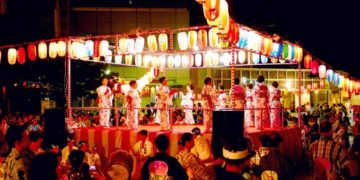
- Bon Odori Dance: Traditional dances held at temples and parks to honor the dead.
- Cemetery Visits at Night: Families clean graves, leave offerings, and light candles or lanterns.
These rituals are especially common in Kyoto, Nara, and small rural towns where traditions remain intact. Tourists are often welcome to observe—and sometimes join—as long as they do so respectfully.
3. Cultural Views on Death, Spirits, and Respect
Western visitors often associate cemeteries with fear or sadness. In Japan, the perception is different.
Death is not final; it’s a continuation. The dead coexist in memory, spirit, and space. Ancestor veneration is practiced through:
- Regular visits to gravesites
- Offerings of food, incense, and flowers
- Prayers during anniversaries or Obon
The idea of spirits (reikon) is also distinct. Spirits are believed to linger, especially if they’re not properly honored. Some spirits protect families or places; others might become restless (yūrei) if forgotten or wronged. Hence, the emphasis on regular, peaceful remembrance.
This worldview makes nighttime cemetery visits less eerie and more meditative—spaces for reflection, continuity, and connection.
4. Zen Cemetery Walks in Kyoto & Hidden Gems in Tokyo
If you want to experience night cemeteries in a culturally meaningful way, here are some notable locations:
Kyoto:
- Honen-in Cemetery: Nestled in the hills near the Philosopher’s Path, it’s dimly lit and serene.
- Adashino Nenbutsu-ji: Thousands of stone statues commemorating the forgotten dead; magical when misty.
- Kurodani Temple Grounds: Less visited, but atmospheric at dusk.
Tokyo:
- Yanaka Cemetery: Close to Ueno, this large cemetery is open and often visited by locals on quiet evening walks.
- Zōshigaya Cemetery: Known for its historical figures and large trees—very quiet after sundown.
- Tamagawa Daishi Kyokai: Not a cemetery, but an underground Buddhist cave path lit by faint lamps—very symbolic of death and rebirth.
⚠️ Always check signage for opening hours and stay on public paths.
5. Behavior Rules for Foreigners
Night cemeteries demand respect. Here are essential etiquette tips:
- No loud conversations or music
- Do not touch or lean on gravestones
- Photography is sensitive—many locals dislike photos of graves. If allowed, avoid using flash.
- Stay on designated paths
- Avoid stepping on grave plots
- No smoking or eating inside cemetery grounds
When in doubt, observe locals and follow their lead.
6. The Meditative Side of Nighttime Grave Visits
There’s a unique stillness in Japanese cemeteries at night. Especially in the hills of Kyoto or tucked away urban corners in Tokyo, these spaces become sanctuaries.
What you’ll feel:
- A gentle breeze rustling cedar trees
- The scent of old incense
- Occasional bell chimes from nearby temples
For solo travelers, night cemeteries offer something rare: a sense of stillness, not loneliness. Time slows. The mind quiets. Death isn’t something to fear—it’s something to contemplate.
Some travelers even journal or meditate here (away from the graves, on benches or outer paths).
7. Places to Experience Spiritual Serenity Safely
If you’re interested in experiencing this kind of night walk, start with these accessible yet atmospheric sites:
- Mount Kōya (Wakayama): Stay in a temple, then visit Okunoin Cemetery by lantern light (guided tours available). More info: https://eng.shukubo.net/
- Hase-dera Temple (Kamakura): Special evening openings during festivals; famous for its hydrangeas and spiritual tranquility.
- Higashi Otani Cemetery (Kyoto): Connected to Higashi Honganji Temple, beautiful during Obon.
Bonus Tip: Join a guided Obon night tour during August in Kyoto or Nagasaki. These often include cultural briefings, language support, and access to events not typically open to tourists.
Final Thoughts: Where Stillness Speaks Louder Than Sound
Japanese night cemeteries are not horror-film material. They’re sacred landscapes alive with memory and quiet meaning.
If you’re willing to walk softly, look slowly, and listen inwardly, you’ll find these places are more than burial grounds. They’re mirrors—offering glimpses of Japanese spirituality, respect, and the living pulse of ancestral bonds.
Visiting a Japanese cemetery after dark isn’t about thrill. It’s about stillness, reverence, and the chance to feel life a little more deeply—one shadow at a time.