










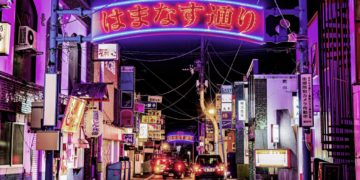




Discovering Tokyo’s most authentic gaming and anime culture beyond the tourist traps of Akihabara
Introduction: The Underground Kingdom of Digital Dreams
While millions of visitors flock to Akihabara’s sanitized electronics stores and maid cafes designed for tourist consumption, Tokyo’s most authentic gaming and anime culture thrives in the labyrinthine basement arcades and hidden bars surrounding Ikebukuro’s East Exit. Here, in converted office buildings and narrow alleyways that Google Maps struggles to navigate, Japan’s digital subculture reveals its true face—raw, obsessive, and utterly uncompromising in its dedication to virtual perfection.
This isn’t the kawaii performance art of tourist-oriented otaku culture. This is where professional rhythm game players practice until their fingers bleed, where anime fans gather in tiny bars to debate the philosophical implications of mecha design, and where the boundaries between digital and physical reality blur in ways that would make cyberpunk authors weep with envy. Between midnight and dawn, when the salary workers have stumbled home and the last trains have departed, Ikebukuro East transforms into something resembling the set of a Blade Runner sequel written by gaming addicts.
The district’s reputation as “deeper than Akihabara” isn’t marketing hyperbole—it’s recognition that authentic otaku culture requires spaces away from mainstream commercialization, where obsession can flourish without explanation or apology. While Akihabara sells otaku culture to the masses, Ikebukuro East lives it, breathes it, and pushes it to extremes that casual tourists couldn’t handle and wouldn’t understand.
For international visitors seeking genuine insight into Japan’s digital subcultures—the gaming obsessions, anime philosophies, and virtual communities that increasingly define contemporary Japanese youth culture—Ikebukuro’s midnight scene offers immersion in active subcultures that exist far beyond the reach of conventional tourism.
The Architecture of Digital Obsession
Vertical Gaming: The Multi-Floor Arcade Ecosystem
Ikebukuro East’s gaming culture unfolds across multiple vertical levels that create distinct ecosystems for different types of digital obsession. Unlike the horizontal sprawl of suburban game centers, these venues maximize limited urban space by creating specialized floors that cater to specific gaming subcultures, from hardcore rhythm game devotees to fighting game competitors who treat their chosen titles as martial arts disciplines.
The basement levels typically house the most intense gaming experiences—rhythm game setups with professional-grade controllers, fighting game stations where money matches determine reputations, and puzzle game corners where players engage in silent mental warfare that can last for hours. These underground spaces feature minimal lighting, maximum sound isolation, and atmosphere that prioritizes pure gaming focus over comfort or aesthetic appeal.
Upper floors often transition toward more social gaming experiences—cooperative music games, party-style rhythm titles, and newer arcade attractions that blend gaming with social media integration. The vertical progression from basement intensity to upper-floor accessibility creates natural flow between different levels of gaming commitment and social interaction.
The Sound Design of Competitive Space
Professional-level gaming requires acoustic environments that many visitors don’t expect from commercial entertainment venues. The best arcade floors invest heavily in sound isolation systems that allow multiple high-intensity gaming sessions to occur simultaneously without interference, creating pockets of pure audio immersion within larger competitive spaces.
Understanding these acoustic priorities helps visitors appreciate why authentic gaming venues often feel sterile or unwelcoming compared to tourist-oriented entertainment centers. The stark lighting, minimal decoration, and industrial atmosphere all serve the functional purpose of maintaining competitive gaming environments where millisecond timing differences determine success or failure.
Hidden Access and Insider Geography
Many of Ikebukuro East’s most authentic gaming venues occupy spaces that require insider knowledge to locate—unmarked elevator access, building floors that seem to skip numbers, and entrances hidden behind vending machines or temporary construction barriers. This geographic obscurity serves multiple purposes: it filters out casual tourists who might disrupt serious gaming sessions, it maintains underground culture authenticity, and it creates exclusive communities around shared knowledge of hidden locations.
Learning to navigate this hidden geography becomes part of the cultural initiation process, where gaining access to the best venues requires networking with existing community members who can provide location information and cultural guidance that no guidebook contains.
Rhythm Game Culture: The Pursuit of Digital Perfection
Understanding the Hierarchy of Skill
Ikebukuro’s rhythm game scene operates according to strict skill hierarchies that newcomers often underestimate. These aren’t casual music games designed for entertainment—they’re competitive disciplines where frame-perfect timing, muscle memory development, and psychological pressure management separate amateur players from community-recognized experts.
Professional-level rhythm gamers often practice specific songs hundreds of times, developing finger techniques and hand positions that approach the precision of classical musicians. The community recognizes skill levels through complex scoring systems, public leaderboards, and informal reputation networks that can take months or years to penetrate.
The Science of Perfect Timing
Watching expert rhythm game players reveals the intersection between human physiology and digital precision that defines hardcore gaming culture. These players understand frame rates, input lag compensation, and the subtle timing variations between different arcade machine configurations in ways that approach engineering-level technical knowledge.
The best players often customize their play styles to accommodate specific machine characteristics, understanding that controller responsiveness, screen refresh rates, and even audio system delays can affect performance in ways that require constant adaptation and calibration.
Social Dynamics Around Individual Excellence
Unlike team-based gaming cultures, rhythm game communities create social structures around individual excellence while maintaining collaborative learning environments. Advanced players often mentor newcomers, sharing techniques and strategies while maintaining competitive relationships that push everyone toward higher performance levels.
These mentoring relationships follow formal etiquette patterns derived from traditional Japanese apprenticeship models, where respect for superior skill, dedication to practice, and gradual progression through recognized skill levels create social cohesion around shared pursuit of perfection.
Fighting Game Communities: Digital Martial Arts
The Philosophy of Combat Gaming
Ikebukuro’s fighting game culture approaches competitive gaming with philosophical seriousness that reflects broader Japanese martial arts traditions. Players discuss frame data, move properties, and strategic concepts using terminology and analytical depth typically reserved for academic disciplines or professional sports.
The community’s approach to skill development incorporates traditional Japanese concepts of shu-ha-ri (learn-break-transcend) progression, where players master fundamental techniques before developing personal styles and eventually creating innovations that contribute to broader community knowledge.
Money Matches and Reputation Systems
The fighting game scene features informal gambling culture known as “money matches” where players stake small amounts of money on competitive matches that determine community ranking and reputation. These matches often draw crowds of spectators who understand the skill levels and rivalries involved, creating dramatic social events around individual competitive performances.
Understanding the social protocols around money matches—appropriate betting amounts, spectator behavior, and respect for player preparation rituals—provides insight into how competitive gaming communities create meaningful stakes and social consequences around virtual competitions.
Cross-Generational Knowledge Transfer
Unlike many gaming subcultures that emphasize youth and quick reflexes, fighting game communities maintain respect for veteran players whose strategic knowledge and technical understanding compensate for potentially declining physical performance. These multi-generational relationships create knowledge transfer systems where decades of competitive experience influence contemporary play styles and strategic development.
Anime Bar Culture: Philosophy Through Fiction
The Academic Approach to Anime Appreciation
Ikebukuro’s anime bars attract customers who approach animated entertainment with analytical rigor that transforms casual viewing into cultural criticism and philosophical exploration. Conversations often involve detailed analysis of animation techniques, narrative structures, and the social commentary embedded in seemingly simple entertainment media.
These establishments typically feature extensive anime libraries, high-quality display systems, and atmospheres designed for focused viewing and discussion rather than casual socializing. The clientele often includes industry professionals, academic researchers, and serious collectors whose knowledge creates educational environments for less experienced anime enthusiasts.
Seasonal Analysis and Community Viewing
The anime bar scene revolves around seasonal viewing schedules where communities gather to watch new episode releases together, creating shared experiences that generate ongoing discussions and analysis throughout broadcast seasons. These viewing parties often feature detailed episode analysis, prediction discussions, and debates about artistic and thematic elements that continue across multiple visits.
Understanding seasonal anime culture requires familiarity with production schedules, studio reputations, and the complex relationships between manga source material, animation adaptation, and fan community expectations that influence how specific titles are received and discussed.
Merchandise Culture and Collector Communities
Many anime bars function as informal exhibition spaces for serious collectors who display rare merchandise, limited edition items, and custom artwork that demonstrates their dedication to specific series or studios. These displays often become conversation starters that reveal the depth of knowledge and financial commitment that serious anime fandom requires.
The collector aspect of anime culture involves understanding market values, production histories, and authenticity verification that approaches professional expertise in antiques or fine art. Learning to appreciate these collector displays enhances understanding of how anime functions as both entertainment and investment opportunity for dedicated fans.
Karaoke Integration: Social Gaming Meets Musical Expression
Anime Song Culture and Community Performance
Ikebukuro’s anime-themed karaoke venues feature song selections that go far beyond mainstream J-pop, including obscure opening themes, character songs, and fan-created compositions that require deep cultural knowledge to fully appreciate. The performance culture around anime songs often involves costume elements, choreography, and vocal techniques that transform karaoke from casual singing into collaborative performance art.
Understanding anime song culture requires familiarity with voice actor performances, character personalities, and the emotional contexts that specific songs carry within their original anime series. Successful performance often depends more on cultural authenticity and emotional connection than pure vocal ability.
Group Dynamics and Collaborative Fandom
Anime karaoke creates unique social situations where strangers bond over shared cultural knowledge while expressing individual interpretations of beloved songs and characters. These environments often produce temporary communities around specific anime series, where participants share recommendations, discuss upcoming releases, and form social connections based on compatible fannish interests.
The collaborative aspect extends beyond individual performance to include group songs, duets that require character role-playing, and interactive songs that incorporate audience participation in ways that blur the boundaries between performer and spectator.
Technology Integration and Digital Enhancement
Advanced anime karaoke venues often feature technology integration that enhances the performance experience through visual effects, character costume elements, and interactive features that respond to vocal performance quality. These technological additions create immersive experiences that bridge the gap between traditional karaoke and video gaming, appealing to customers who appreciate both musical expression and digital interaction.
Late-Night Cafe Culture: Broadcasting and Community Viewing
Understanding Streaming Culture Integration
Ikebukuro’s late-night cafe scene caters to customers who want to participate in live streaming culture—both as viewers and creators—in social environments that support extended digital engagement. These venues often feature multiple viewing stations, high-quality internet connections, and equipment that allows customers to engage in streaming activities while maintaining social interaction with other patrons.
The streaming integration reflects contemporary Japanese youth culture where digital and physical social experiences blend seamlessly, creating hybrid environments where online communities and physical spaces reinforce each other.
Game Streaming and Competitive Viewing
Many late-night cafes specialize in competitive gaming streams, particularly for tournaments and professional matches that occur during late evening hours due to international scheduling. These viewing parties create social experiences around competitive gaming that allow local communities to participate in global gaming culture while maintaining distinctly Japanese social protocols and discussion styles.
Understanding the etiquette around competitive viewing—appropriate commentary, respect for player skill, and knowledge of competitive scenes—enhances participation in these community viewing experiences.
Creator Support and Community Building
Some venues provide equipment and technical support for customers who want to create their own streaming content, offering spaces where aspiring streamers can develop their skills while receiving feedback and encouragement from community members. These creator-support environments reflect broader Japanese cultural values around skill development and community mentorship applied to contemporary digital media creation.
Hidden Venues and Underground Access
Club Sega Ikebukuro GiGO: The Competitive Gaming Cathedral
Located in a converted department store building, this multi-floor arcade represents the pinnacle of serious gaming culture in Ikebukuro East. The basement rhythm game floor attracts professional-level players from across Japan, while upper floors cater to different gaming subcultures with equipment and environments optimized for competitive play.
The venue’s reputation among hardcore gamers makes it a pilgrimage site for serious players, but the intensity of the competitive atmosphere can overwhelm casual visitors who underestimate the skill levels and cultural commitment required for meaningful participation.
Optimal Experience: Visit during late evening hours (after 10 PM) when the most skilled players congregate. Observe before attempting to play, and show respect for ongoing competitive sessions.
Milky Way: The Anime Philosophy Sanctuary
Hidden on the fourth floor of an unmarked office building, Milky Way operates as both anime bar and informal cultural salon where industry professionals and serious fans engage in discussions that approach academic conferences in their analytical depth.
The establishment’s extensive anime library, professional-grade viewing equipment, and atmosphere designed for serious discussion create environments where anime appreciation transcends entertainment to become cultural analysis and philosophical exploration.
Access Protocol: Requires introduction from existing members or demonstration of serious anime knowledge through initial conversations with staff. Casual anime fans may find the analytical atmosphere intimidating.
Game Panic Ikebukuro: The Underground Fighting Game Mecca
Located in a basement space accessible through an unmarked entrance, Game Panic caters exclusively to serious fighting game players. The venue features tournament-grade equipment, money match facilities, and social dynamics that revolve around competitive reputation and skill demonstration.
The establishment’s hardcore focus creates environments where casual players are quickly identified and may feel unwelcome, but serious competitors can access some of Tokyo’s highest-level fighting game competition.
Participation Requirements: Basic fighting game competency expected. Newcomers should observe extensively before attempting to participate in competitive play.
Animate Cafe Ikebukuro: The Collector’s Social Hub
While technically a chain establishment, the Ikebukuro location functions as an informal gathering place for serious collectors and anime industry professionals. The venue’s location, operating hours, and customer base create opportunities for networking and cultural exchange unavailable at more tourist-oriented anime cafes.
The establishment’s merchandise displays, special events, and customer demographics provide insights into contemporary anime industry trends and collector culture that extend beyond simple commercial transactions.
Cultural Value: Optimal for understanding contemporary anime industry trends and collector market dynamics rather than classic anime appreciation.
Technology and Equipment Culture
Understanding Arcade Hardware Obsession
Serious gaming communities in Ikebukuro maintain detailed knowledge about arcade hardware specifications, understanding how different machine configurations affect gameplay in ways that require technical expertise approaching professional equipment maintenance.
Players often develop preferences for specific machine setups, understanding differences between cabinet types, controller responsiveness, and display characteristics that affect competitive performance. This hardware obsession creates communities around technical knowledge that parallels automotive or audio equipment enthusiasm in other subcultures.
Custom Controller Culture and Modification
Many competitive players invest in custom controllers, modified arcade sticks, and specialized equipment that reflects their individual play styles and technical preferences. These modifications often involve significant financial investment and technical knowledge, creating subcultures around equipment customization that blend gaming skill with engineering expertise.
Understanding controller culture provides insight into the intersection between gaming competence and technical knowledge that defines hardcore gaming communities, where equipment mastery becomes as important as game-specific skills.
Software Knowledge and Frame Data Analysis
Competitive gaming culture requires understanding of underlying software mechanics, frame data, and technical game information that casual players typically ignore. Serious competitors often maintain detailed knowledge about game programming, update histories, and technical specifications that approach professional software development expertise.
This technical knowledge creates common vocabulary and analytical frameworks that allow community members to discuss gaming strategy with precision and depth that outsiders might find intimidating or unnecessarily complex.
Social Dynamics and Community Integration
Hierarchy Systems and Skill Recognition
Gaming and anime communities in Ikebukuro operate according to informal hierarchy systems based on demonstrated knowledge, skill levels, and community contribution rather than conventional social markers like age or professional status.
These merit-based social structures create opportunities for younger community members to gain respect and leadership roles based on expertise and dedication, while maintaining respect for veteran community members whose knowledge and experience contribute to overall community development.
Gender Dynamics in Male-Dominated Spaces
While gaming and anime communities traditionally skew male, Ikebukuro’s scene includes significant female participation that has created more inclusive community dynamics than might be expected from stereotypical otaku culture descriptions.
Understanding appropriate behavior and respect for all community members regardless of gender helps visitors participate positively in these communities while supporting the inclusive atmosphere that makes these spaces welcoming for dedicated fans regardless of demographic characteristics.
International Community Integration
The increasing international interest in Japanese gaming and anime culture has created opportunities for cultural exchange within Ikebukuro’s communities, where language skills and cultural knowledge from different perspectives contribute to broader community understanding.
International visitors who demonstrate genuine interest, appropriate cultural respect, and willingness to learn can often find welcoming reception in communities that appreciate cross-cultural appreciation for Japanese pop culture exports.
Economic Aspects and Budget Considerations
Understanding Gaming Costs and Community Investment
Serious participation in Ikebukuro’s gaming culture requires ongoing financial investment that extends beyond simple entertainment spending. Competitive gaming involves arcade fees, equipment purchases, tournament entry costs, and social expenses that can accumulate significant totals for dedicated participants.
Understanding these economic realities helps visitors appreciate the financial commitment that serious community participation requires while budgeting appropriately for meaningful engagement with hardcore gaming culture.
Collector Market Economics and Investment Culture
Anime merchandise collecting involves understanding market dynamics, investment potential, and authentication processes that approach professional expertise in collectibles markets. Serious collectors often treat their hobby as investment strategy that requires significant capital and detailed market knowledge.
Learning about collector economics provides insight into how anime fandom creates financial markets around cultural products while supporting ongoing industry development through consumer spending patterns.
Social Economics and Community Support
Many venues and communities rely on regular customer support to maintain the specialized environments and equipment that hardcore gaming and anime culture requires. Understanding appropriate ways to support these establishments—through consistent patronage, equipment care, and positive community contribution—helps sustain the cultural spaces that make these communities possible.
Conclusion: Digital Culture’s Authentic Face
Ikebukuro East after midnight reveals aspects of Japanese digital culture that remain invisible in tourist-oriented presentations of otaku lifestyle. The district’s gaming arcades, anime bars, and streaming cafes provide access to active subcultures where technical expertise, cultural knowledge, and community dedication create meaningful social structures around shared obsessions with digital entertainment.
The communities that gather in these hidden venues represent the evolution of Japanese youth culture in directions that extend far beyond mainstream media representations. Their approach to gaming as competitive discipline, anime as philosophical exploration, and digital community as social foundation reflects broader cultural adaptations to technological change that influence contemporary Japanese society in ways that extend beyond entertainment.
For international visitors seeking authentic insight into contemporary Japanese subcultures, Ikebukuro’s midnight scene offers immersion in active communities where passion, expertise, and dedication create social bonds and personal identity around digital culture. The investment in cultural preparation, technical understanding, and community respect required for meaningful participation yields experiences that enhance understanding of how digital culture functions as genuine cultural expression rather than mere entertainment.
This isn’t casual tourism or surface-level cultural sampling—it’s participation in living subcultures where community membership requires ongoing commitment, skill development, and cultural contribution. The rhythm game masters perfecting their timing, the anime scholars debating narrative philosophy, and the streaming communities building digital society all represent aspects of contemporary Japanese culture that increasingly define how younger generations create meaning, community, and personal identity.
In Ikebukuro’s hidden gaming floors and anime sanctuaries, where digital and physical reality blend in ways that older generations struggle to understand, visitors can witness the emergence of cultural forms that may define the future of human entertainment, social interaction, and community building. These aren’t just games or shows—they’re laboratories for exploring what human culture becomes when digital and physical worlds merge completely.
The precision required for perfect rhythm game scores, the analytical depth needed for sophisticated anime appreciation, and the technical knowledge necessary for competitive gaming all represent skills and values that extend far beyond entertainment, creating foundations for approaching complexity, developing expertise, and building communities that may increasingly define 21st-century cultural life.