








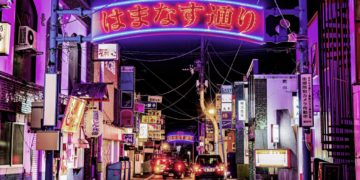
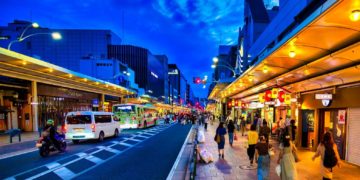
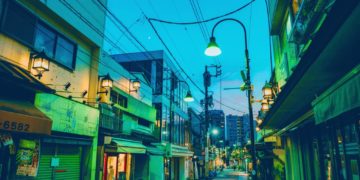

Uncovering the invisible labor force that keeps Tokyo running while the city sleeps—convenience store clerks, cleaners, security guards, and the hidden communities that sustain Japan’s 24-hour society
The Invisible Army: Who Really Powers Tokyo’s Sleepless Economy
Every night as Tokyo’s last train disappears into the darkness and the salary man rush subsides, another city awakens—one powered by an invisible army of workers who keep the urban machinery humming while the rest of Japan sleeps. This is the Tokyo that foreign visitors rarely see: a parallel society of night shift workers whose labor sustains the 24-hour conveniences that define modern Japanese urban life.
From the over 80,000 foreign workers staffing convenience stores to the thousands of Japanese cleaners, security guards, and maintenance crews who transform the city overnight, Tokyo’s night shift economy represents one of the world’s most sophisticated examples of round-the-clock urban operation. Yet these workers remain largely invisible to both tourists and daytime residents, creating their own underground networks, social spaces, and survival strategies.
Understanding this hidden Tokyo requires recognizing that the 24-hour city isn’t just about services staying open—it’s about entirely different social ecosystems that emerge after dark, complete with their own economics, hierarchies, and cultural codes. The convenience store that seems like a simple retail experience to daytime customers becomes a social hub, information exchange, and survival lifeline for night workers navigating a society that operates primarily during daylight hours.
The Economics of Sleeplessness: How Night Work Sustains Urban Life
The Financial Reality of Night Labor
Tokyo’s night economy operates on different financial principles than its daytime counterpart. Night shift work typically pays 25-50% more than equivalent day positions, but this premium comes with hidden costs that shape entire life patterns. Workers often spend more on healthcare, transportation, and specialized food services while earning less over their careers due to limited advancement opportunities in night-only positions.
The convenience store industry exemplifies these economic dynamics. Major convenience chains employ over 80,000 foreign workers, representing 10% of total convenience store staff and concentrated heavily in night shifts that Japanese workers increasingly avoid. These positions offer immediate employment and higher hourly wages than many day jobs, but limited career progression and social isolation that affects long-term economic prospects.
Night cleaning and security work follows similar patterns. Companies like Tokyo Disney Resort, major office complexes, and transportation hubs depend on armies of night workers who earn premium wages but face irregular schedules, health challenges, and social disconnection that impact their broader economic stability. The immediate financial incentives mask longer-term costs that only become apparent after years of night work.
The Hidden Costs of 24-Hour Operations
The true cost of Tokyo’s 24-hour economy extends far beyond wage premiums. Night workers face increased healthcare expenses, specialized transportation needs, and social costs that don’t appear in standard economic analyses. Research consistently shows that long-term night work increases risks of cardiovascular disease, diabetes, sleep disorders, and mental health issues.
The economic burden falls disproportionately on the workers themselves rather than the companies benefiting from 24-hour operations. Night workers often require specialized medical care, sleep supplements, and dietary adjustments that offset wage premiums. The social isolation common among night workers creates additional economic pressures through reduced access to family support, community resources, and conventional social safety nets.
For foreign workers, these costs compound with visa restrictions, language barriers, and limited access to Japanese social services. The over 80,000 foreign convenience store workers often work beyond legal limits while struggling with accommodation costs, cultural adjustment expenses, and remittance obligations that stretch their premium night wages.
The Social Geography of Night Work
Convenience Stores as Community Hubs
Tokyo’s approximately 14,000 convenience stores function as far more than retail outlets during night hours—they serve as social infrastructure for the city’s night workers. Between midnight and 6 AM, these stores become informal community centers where security guards, cleaners, taxi drivers, and other night workers gather for brief social interaction, information exchange, and mutual support.
The foreign workers who staff many night-shift convenience stores often develop extensive knowledge of their neighborhoods’ night economies, serving as informal information brokers for other workers seeking employment, housing, or services. The store counter becomes a nexus where workers from different industries cross paths, share job opportunities, and build the social networks essential for surviving night work.
These interactions create micro-communities organized around geography rather than nationality or language. A single convenience store might serve as a meeting point for Japanese security guards, Nepalese cleaners, Chinese delivery drivers, and Filipino care workers who would rarely interact in daytime settings. The shared experience of night work creates social bonds that transcend cultural and linguistic barriers.
The Hidden Infrastructure of Night Workers
Tokyo’s night workers have developed sophisticated informal networks that provide services unavailable through conventional channels. Underground information systems track which employers pay reliably, which areas are safe for night work, and which services operate during off-hours. These networks often operate through social media groups, word-of-mouth chains, and informal gatherings at 24-hour establishments.
Night workers often maintain separate social lives from daytime residents, with their own preferred restaurants, entertainment venues, and service providers that operate during unconventional hours. Certain 24-hour ramen shops, internet cafes, and bathhouses become unofficial community centers where night workers decompress, socialize, and access services unavailable during their off-hours.
The social isolation that characterizes much night work has created demand for specialized services: 24-hour medical clinics, late-night counseling services, and social groups organized around night work schedules. These services often operate outside mainstream social infrastructure, creating parallel support systems that remain invisible to daytime society.
Language and Cultural Adaptation
For the tens of thousands of foreign workers in Tokyo’s night economy, language acquisition occurs through practical workplace necessity rather than formal education. Convenience store work requires mastering specific vocabulary for customer service, payment processing, and administrative tasks, while security and cleaning work develops different linguistic skills focused on safety protocols and equipment operation.
The multicultural nature of night work creates unique linguistic environments where simplified Japanese, English, and workers’ native languages blend into functional communication systems. Many night work environments develop pidgin vocabularies that enable basic communication across language barriers while maintaining essential operational efficiency.
Cultural adaptation follows similar patterns, with foreign night workers developing understanding of Japanese workplace protocols, customer service expectations, and social hierarchies through intensive on-the-job experience. This cultural learning often progresses faster than in formal educational settings but remains narrowly focused on work-related contexts.
The Health and Social Consequences of Night Labor
Physical Health Challenges
Night work creates documented health challenges that affect both individual workers and the broader healthcare system. Medical research consistently shows that sustained night work increases cardiovascular disease risk, disrupts metabolic function, and compromises immune system effectiveness.
Sleep disorders represent the most immediate and universal health challenge facing night workers. The human circadian rhythm resists adaptation to night schedules, creating chronic sleep debt that affects cognitive function, emotional regulation, and physical coordination. Many night workers report relying on caffeine, energy drinks, and sleep medications to maintain functionality.
Dietary challenges compound health problems, as night workers often depend on convenience store food, vending machine options, and the limited selection of restaurants operating during late hours. The combination of irregular eating schedules, processed food reliance, and limited cooking time creates nutritional deficiencies that exacerbate other health issues.
Mental Health and Social Isolation
The social isolation inherent in night work creates mental health challenges that extend beyond individual workers to affect families and communities. Night workers often experience disconnection from family schedules, social events, and community activities that occur during daylight hours.
For foreign workers, these challenges compound with cultural isolation, language barriers, and separation from family support systems. Many report feelings of invisibility and social disconnection that affect mental health and community integration. The irregular schedules make it difficult to maintain friendships, romantic relationships, or family connections.
Night work also affects workers’ children and families, who must adapt to unusual schedules and limited parental availability during conventional family time. This creates intergenerational effects that extend the social impact of night work beyond individual workers.
Safety and Security Concerns
Night workers face elevated safety risks that range from workplace accidents to criminal victimization. Reduced staffing levels during night hours mean workers often face emergencies with limited backup support. Convenience store clerks, in particular, face increased robbery risk and difficult customer interactions while working alone.
The recent reports of safety concerns in Tokyo’s convenience stores, particularly in areas like Shibuya and Shinjuku, highlight how night shift workers often become front-line responders to social problems—dealing with intoxicated customers, homeless individuals, and various emergencies without adequate training or support.
Transportation safety represents another significant concern, as night workers often commute during hours when public transportation is limited and personal safety risks are elevated. Many rely on bicycles, motorcycles, or walking through areas that may be unsafe during late-night hours.
The Hidden Support Systems
Informal Networks and Mutual Aid
Night workers have developed sophisticated mutual aid networks that provide practical and emotional support unavailable through conventional social services. These networks often organize around workplace clusters, residential areas, or nationality groups, creating informal safety nets that help workers navigate challenges specific to night employment.
Information sharing represents a crucial function of these networks. Workers exchange knowledge about reliable employers, safe housing options, healthcare providers who understand night work challenges, and services available during unconventional hours. This information often spreads through word-of-mouth chains, social media groups, and informal gatherings.
Financial mutual aid also occurs within these networks, with workers helping colleagues through temporary financial difficulties, sharing resources like transportation or meals, and providing emergency assistance during health crises or family emergencies. These support systems often function more effectively than formal social services for addressing night workers’ immediate needs.
Specialized Services and Businesses
The concentration of night workers in certain areas has created demand for specialized businesses and services that cater to their unique schedules and needs. 24-hour medical clinics, late-night grocery stores, and services like laundromats and barber shops that operate during unconventional hours serve these communities.
Some businesses have specifically adapted to serve night workers: restaurants that offer early morning meals suited to workers coming off night shifts, transportation services that operate during shift changes, and even social venues that provide recreation and community space during daytime hours when night workers are off duty.
Banking and administrative services have also adapted, with some institutions offering extended hours or specialized services that accommodate night workers’ schedules. However, many essential services remain inaccessible to night workers, creating ongoing challenges for basic life management.
Technology and Communication
Digital technology has become essential for night worker communities, enabling communication, coordination, and access to services during hours when conventional support systems are unavailable. Social media groups, messaging apps, and online forums provide 24-hour community connection and information sharing.
Mobile technology also enables access to services that might otherwise be unavailable: food delivery, transportation coordination, and even healthcare consultation through telemedicine services. For foreign workers, translation apps and international communication services maintain connections with family and support systems in their home countries.
However, technology dependence also creates vulnerabilities, as workers without reliable internet access or smartphone technology can become further isolated from these essential support networks.
The Future of Tokyo’s Night Economy
Demographic Changes and Labor Shortages
Japan’s aging population and declining birth rate create ongoing challenges for maintaining 24-hour operations. The increasing dependence on foreign workers, particularly in convenience stores and service industries, reflects domestic labor shortages that are likely to intensify.
Recent data showing 12% of convenience stores no longer operating 24 hours indicates that labor shortages are beginning to affect the 24-hour economy’s basic infrastructure. This trend may force reconsideration of which services truly require round-the-clock operation versus which exist primarily due to historical precedent.
The sustainability of current night work models faces pressure from both worker welfare concerns and practical labor availability. Some industries are experimenting with automation, modified schedules, and enhanced working conditions to maintain 24-hour operations with fewer workers.
Policy and Regulatory Changes
Growing awareness of night work’s health impacts is driving policy discussions about working time regulations, healthcare provisions, and social support systems for night workers. Some advocates propose shift premiums, mandatory health monitoring, and enhanced social services for night work communities.
Immigration policy changes may also affect Tokyo’s night economy, as regulations governing foreign worker employment, visa categories, and labor protections evolve. The high concentration of foreign workers in night positions makes these communities particularly vulnerable to policy changes.
Urban planning considerations increasingly recognize the need for infrastructure that serves 24-hour populations: transportation, healthcare, education, and social services that accommodate non-traditional schedules.
Technology and Automation
Automation presents both opportunities and threats for night workers. While technology may eliminate some positions, it could also reduce the physical and social burdens of night work by handling routine tasks and improving working conditions.
Automated checkout systems in convenience stores, robotic cleaning equipment, and remote monitoring of security systems could reduce the number of workers required for night operations while potentially improving working conditions for remaining staff.
However, automation also risks further isolating night workers and reducing the social interaction that currently provides important community functions in 24-hour establishments.
Recommendations for Foreign Visitors and Residents
Understanding Night Worker Culture
Foreign visitors to Tokyo can gain insight into the city’s night economy by understanding the role of night workers in maintaining urban services. Recognizing convenience store clerks, cleaners, and security guards as essential workers rather than service providers enhances cultural understanding and promotes respectful interaction.
Learning basic Japanese phrases for nighttime service interactions, understanding the challenges faced by foreign workers in similar positions, and recognizing the community functions of 24-hour establishments provides deeper cultural insight than typical tourist experiences.
Supporting Night Worker Communities
Foreign residents can support night worker communities by:
- Patronizing businesses that treat night workers fairly and provide good working conditions
- Learning about the challenges facing foreign workers in night positions
- Volunteering with organizations that provide services to night worker communities
- Advocating for policy changes that improve working conditions and social support for night workers
Safety and Cultural Sensitivity
Understanding the safety challenges faced by night workers helps foreign visitors interact more respectfully and safely with night economy services. Recognizing that convenience store clerks and other night workers often deal with difficult situations while working alone encourages more considerate customer behavior.
Cultural sensitivity involves understanding that many night workers are managing complex personal circumstances—language barriers, visa concerns, family obligations, and health challenges—while providing essential urban services.
Conclusion: The Hidden Foundation of Modern Tokyo
Tokyo’s night shift workers represent far more than an employment category—they constitute an essential but invisible infrastructure that enables the city’s reputation as a 24-hour urban paradise. From the foreign students working convenience store night shifts to support their education to the Japanese cleaners who transform office buildings while the city sleeps, these workers sustain urban life through labor that remains largely unrecognized and undervalued.
Understanding Tokyo’s night economy requires recognizing the human cost of 24-hour convenience and the complex social systems that emerge when large populations work outside conventional schedules. The health challenges, social isolation, and economic vulnerabilities faced by night workers reveal the true price of the seamless urban services that define modern Tokyo.
For foreign observers, the night worker communities offer insights into Japanese society’s adaptation to demographic change, economic pressure, and cultural diversity. The increasing dependence on foreign labor in night positions reflects broader trends in Japanese society while creating new forms of multicultural community that exist largely outside mainstream attention.
The future sustainability of Tokyo’s 24-hour economy depends on recognizing night workers as essential urban infrastructure deserving of social support, healthcare provisions, and community recognition rather than viewing them as temporary solutions to labor shortages. The sophisticated informal networks, mutual aid systems, and cultural adaptations developed by night worker communities demonstrate resilience and innovation that offer models for supporting vulnerable urban populations.
As Tokyo continues evolving as an international city, the experiences and perspectives of night workers provide crucial insights into how urban societies can balance economic demands with human welfare, maintain essential services while protecting worker health, and create inclusive communities that span cultural and linguistic differences.
Every night as the city transforms, these invisible workers sustain the urban systems that define modern life. Their experiences reveal not just the mechanics of 24-hour operations but the human adaptability that makes complex urban societies possible. Understanding their world offers deeper insight into Tokyo itself—not just as a tourist destination or business center, but as a living ecosystem where millions of people navigate the challenges and opportunities of contemporary urban life.