





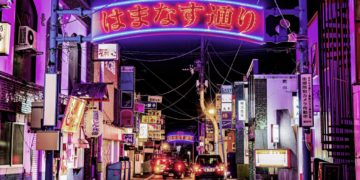




From the neon-lit alleys of Tokyo to the quiet train stations of rural Japan, one dish has fed generations with speed, comfort, and affordability: gyudon—Japan’s beloved beef bowl. This warm, saucy dish of sliced beef and onions simmered in soy-based broth over rice has become a culinary staple, especially through the rise of major gyudon chains like Yoshinoya, Sukiya, and Matsuya.
In this deep dive, we explore the roots of gyudon, the cultural impact of beef bowl chains, and the essential guide for travelers to navigate these fast, friendly eateries.
🏮 A Brief History of Beef Bowls (Gyudon) in Japan
🍲 The Origins of Gyudon as Fast Comfort Food
Gyudon, literally meaning “beef bowl,” originated in the late 19th century during the Meiji era, when Japan was opening to Western culture and dietary shifts. Beef, once taboo in many regions, became a symbol of modernity. As a quick, nutritious meal that combined protein and carbs, it gained traction among busy workers.
🏢 Evolution into Chain Giants
The gyudon movement took off post-WWII, particularly in Tokyo, where working-class men needed affordable, hearty meals. The first major chain, Yoshinoya, led the way with standardized flavors and fast service. Soon, competitors like Sukiya and Matsuya emerged, offering variations and expanding to thousands of locations.
🏆 The Big Three: Yoshinoya, Sukiya, Matsuya
🧡 Yoshinoya: The Heritage King of Gyudon
📜 Background & Expansion
Founded in 1899 in Tokyo’s Nihonbashi fish market, Yoshinoya is the oldest and most iconic gyudon chain. It grew rapidly after WWII and now operates across Japan and globally.
🍽️ Famous Menu Items
- Gyudon (Regular/Extra Meat/Extra Rice)
- Gyusara Teishoku (Beef Plate Set with Rice and Miso Soup)
- Pork Bowl and Eel Options
- Seasonal specials like sukiyaki or beef curry
🧾 Ordering Tips
- Order via counter or ticket machine.
- English menus are often available.
- Toppings: egg, cheese, kimchi, grated radish.
👤 Who It’s Best For
Tourists looking for the classic experience, quick service, and familiar flavors. Especially convenient for first-time visitors.
❤️ Sukiya: The Customization Champion
🏬 Brand Identity & Atmosphere
Sukiya is Japan’s largest gyudon chain, boasting over 2,000 outlets. It’s famous for bright interiors, family-friendly seating, and a wide variety of toppings and flavors.
🍴 Notable Menu Highlights
- Gyudon with Egg/Cheese/Kimchi/Garlic Chives
- Unagi-don (Eel Bowl)
- Curry Rice and Kids Meals
- Seasonal Miso Butter Corn Bowls
📲 Ordering System
Most stores offer table service—just order via staff or call button. Menus have pictures and English translations.
🌍 Tourist Accessibility
Highly tourist-friendly with multilingual options and locations near stations, shopping centers, and tourist sites.
💛 Matsuya: The Budget Gourmet
💹 Evolution & Unique Offers
Founded in the 1960s, Matsuya leans into value and innovation. Their signature appeal? Miso soup is free with every meal, and ticket machines are often high-tech with multiple languages.
🌟 Menu Standouts
- Gyumeshi (Beef Rice Bowl)
- Grilled Pork or Ginger Pork Sets
- Deluxe Tonkatsu Teishoku
- Curry Combinations
💳 Tech-Savvy Ordering
Many Matsuya outlets feature touchscreen ticket machines in Japanese, English, Chinese, and Korean. Some allow cashless payment or IC card use (Suica/Pasmo).
👍 For Whom It Works
Perfect for solo travelers, budget-conscious diners, and those seeking variety beyond gyudon.
🔎 Other Noteworthy Gyudon Chains
🍵 Nakau
Combines gyudon with Kansai-style udon and donburi. A refined, quieter setting. Famous for its oyakodon (chicken & egg rice bowl).
🔥 Tokyo Chikara Meshi
Known for grilled beef bowls (yakiniku-style) instead of simmered meat. Smoky, hearty, and less common than others.
🏠 Regional Local Chains
In regions like Tohoku or Kyushu, small gyudon eateries offer unique local sauces, miso-tinted broths, or pickled side dishes with every bowl.
🕰️ When, Where, and Why to Eat Gyudon
⏰ Best Times to Visit
- Late-night hunger after drinks or karaoke? Most locations are 24/7.
- Quick lunch between sightseeing?
- Affordable breakfast for early risers.
🧍♂️ Solo-Friendly & Fast
Gyudon shops are made for one-person dining—counter seating, speedy prep, and non-judgmental vibes.
🌐 Tourist Friendliness
Most shops near stations, airports, and tourist hubs offer multilingual menus, contactless payment, and picture-based ordering.
🥢 How to Order Like a Local
🖥️ Understanding the Ticket Machine
- Insert cash or IC card
- Choose main dish and toppings
- Take your printed ticket and seat
- Hand it to staff or place it on the counter
🗣️ Useful Phrases
- “Gyudon futsuu onegaishimasu” = Regular beef bowl, please
- “Oomori” = Large size
- “Tamago tsuki” = With raw egg
- “Gochisousama deshita!” = Thank you for the meal!
🧳 Conclusion: A Bowl of Japan in Every Bite
In Japan’s bustling food landscape, the humble gyudon chain stands tall—delivering nourishment, warmth, and value in minutes. Whether you’re a late-night wanderer in Shinjuku, a Kyoto-bound tourist at dawn, or simply craving soy-braised beef, you’ll find comfort in these bowls.
And as your chopsticks dive into tender slices of simmered meat and perfectly steamed rice, you’ll realize this: gyudon isn’t just food—it’s Japanese hospitality in a bowl.