










Introduction: The Culture Shock Around the Bill
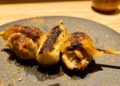
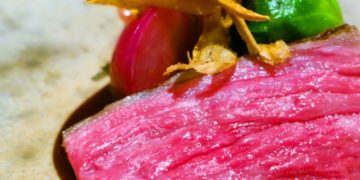
You finish a delightful meal in Tokyo. The server was attentive, the food was impeccable, and your glass never ran dry. You’re ready to tip generously—only to discover that leaving a tip might offend your server.
Welcome to Japan, a country where excellent service is considered a standard, not something that should be rewarded with extra money. In this article, we explore Japan’s unique approach to hospitality and service, why tipping isn’t practiced, and how to navigate it as a tourist.
1. Why Tipping Isn’t a Thing in Japan
Japan’s aversion to tipping is rooted in several cultural values:
- Omotenashi (おもてなし): A concept of selfless hospitality; service is offered from the heart, without expectation of reward.
- Professional pride: Workers are paid to perform their duties well—doing so isn’t seen as exceptional but expected.
- Avoiding awkwardness: Exchanging money outside the official bill can be seen as confusing or inappropriate.
- Clean transaction culture: Bills are settled directly and completely—no rounding, no extras.
Simply put, good service is part of the job—not an upsell.
2. What Happens If You Try to Tip?
If you try to leave a tip:
- Most staff will politely refuse or return the money
- Some may look confused or uncomfortable
- In upscale places, your server may think you forgot your change and chase after you
In rare cases (especially in tourist-heavy areas), tips may be accepted with a smile—but it’s still not expected.
3. Service Charges in Lieu of Tips
While Japan doesn’t have tipping, you may still notice an extra charge on your bill. These are not tips but rather:
- Service charges (サービス料): Usually around 5–10%, especially in upscale restaurants or hotels
- Table charges (チャージ/席料): Explained in detail in our previous article—common in bars and izakaya
These are standard and go to the establishment, not directly to individual servers.
4. Where Else Tipping Doesn’t Apply
- Taxis: Drivers do not expect tips—fares are set by the meter. If you overpay, most will return the excess.
- Hotels: Bellhops or receptionists will refuse tips, even if you insist
- Spas & Salons: Service is included in the price
- Guided Tours: Group or private tour guides don’t expect tips, though some international agencies may include them by default
5. Exceptional Cases Where Money Is Given
There are, however, traditional ways in which money is given as a sign of appreciation—just not as a tip:
- Gift-Giving: Customers might bring small sweets or souvenirs to a favorite server
- Envelopes (お車代, 心付け): For weddings, funerals, or formal gestures, money is offered in decorative envelopes—not handed over casually
- Ryokan (traditional inns): Sometimes, guests will leave an envelope with a small amount for exceptional service, but this is rare and should be done discreetly
6. How to Show Appreciation Instead
Since you can’t tip, here’s how to express gratitude:
✅ Polite language: “Gochisōsama deshita” (thank you for the meal) as you leave a restaurant ✅ A smile and bow: Non-verbal appreciation goes a long way ✅ Written reviews: Mentioning staff or praising service in online reviews is highly valued ✅ Repeat visits: Loyalty is often the best compliment
7. Behind the Scenes: Why Service Is So Good Anyway
Japanese service culture is driven by:
- Training: From convenience store clerks to department store staff, service etiquette is part of the job
- Customer focus: Anticipating needs, being unobtrusive, offering subtle help
- Pride in presentation: Everything from the menu to the bathroom is carefully maintained
Because of this, many foreigners find service in Japan to be among the world’s best—even without tipping.
8. Comparing Japan to Other Countries
| Country | Tipping Expected? | Notes |
|---|---|---|
| USA | Yes (15–25%) | Considered part of wages in service industry |
| France | Included in bill | Extra tip optional |
| UK | 10–15% | Optional unless stated |
| Japan | No | Tips may be refused; service is built-in |
| South Korea | No (generally) | Some upscale venues include service charge |
Understanding these differences helps avoid awkward encounters.
9. Tourist-Friendly Guidelines
- Don’t force a tip—if staff politely refuse, don’t insist
- Expect excellent service without extra pay
- Ask about service fees in fine dining or hotels to understand your total cost
- Enjoy the experience—focus on the service, not the transaction
10. Final Thoughts: Generosity Beyond Money
Japan’s no-tipping culture can be a refreshing change for travelers used to calculating gratuity with every meal. Instead of rewarding service with a percentage, the culture encourages appreciation through manners, presence, and respect.
You’ll find that the sincerity of service in Japan is real—because it comes from within, not from an expectation of more money.
So next time someone bows and hands you a perfectly packaged receipt, don’t worry about the tip. Just say “Arigatou gozaimasu,” smile, and enjoy the beauty of omotenashi.
📎 Discover more cultural insights at: https://afterdarkjapan.com