






Introduction: Sake at the Witching Hour
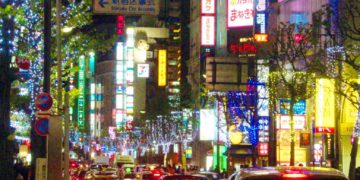
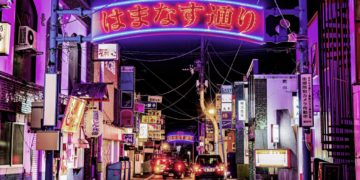
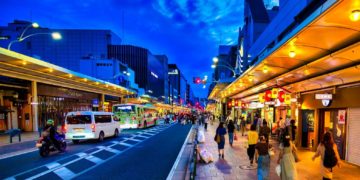
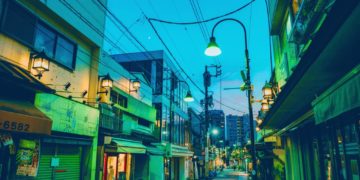
As Tokyo’s neon haze thins and train stations empty, a hidden culture awakens—the nighttime sake scene. Here, amid the fading crowds, Tokyo’s sake purists seek more than alcohol—they seek connection: to flavor, tradition, and conversation. At 1AM, the bustle quiets, and sake flows with a stillness that brings intensity. This is when bars whisper rather than shout, and each sip tells a story of rice, region, and craft.
From standing bars to boutique tasting salons, this guide explores the top spots for nighttime seekers, the etiquette of late-hour tasting, and how to savor Japan’s national drink in a city that never truly sleeps.
1. Why Sake Tastes Better at Night
1.1 Sake as a Cultural Ritual
Sake (日本酒, nihonshu) is more than barley and water—it’s the result of craftsmanship, culture, and geological nuance. It’s traditionally enjoyed amid dinner rituals, but Tokyo’s late-night bars celebrate its introspective side. When the lanterns dim and day’s noise fades, sake becomes cinematic—flavors linger longer, aroma unfolds like a story, and each glass becomes a moment of mindfulness.
1.2 The Allure of 1AM Drinking Culture
Why 1AM? It’s when the city leans into softness. Patrons have finished dinner but aren’t ready to sleep. Bartenders lean in closer. Conversations deepen. It’s an hour that separates spectators from participants. I’ve watched businesspeople swap memoirs where day traders hit a wall—only to rediscover themselves over a pour of summer-scented Junmai Ginjo.
2. Sake Basics Every Night Drinker Should Know
2.1 Types, Temperatures & Vessels
- Junmai, Honjozo, Ginjo, Daiginjo: Ranging from earthy to floral and crisp.
- Chilled vs. Warmed: Chilled for elegance; warmed for comfort—many late-night bars offer both.
- Vessel Matters: Ceramic ochoko (small cups) offer ritual focus; wooden masu (square cups) evoke tradition—but midnight sake might flow from tall glencairn-style tasting cups, spotlighting aroma.
2.2 Pairing Sake with Midnight Snacks
Forget sushi. At 1AM, the best pairings evoke umami, heartiness, and crunch:
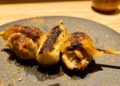
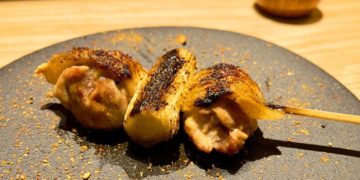
- Yakitori (grilled chicken skewers) with Junmai Tokubetsu
- Natto or aged cheese with aromatic Ginjo
- Small smoked fish & ache slices for richness
- Pickled radish, cured meats—common in standing bars.
3. Best Late-Night Sake Bars & Izakayas in Tokyo
Here are top picks for cutting-edge sake culture after dark:
3.1 Kurand Sake Market (Shinjuku)
- Concept: All-you-can-sample from 100+ sakes
- Late-night twist: Occasionally open near-midnight; sampler menus shift seasonally
- Why go: Ideal for communal tasting and discovering bold flavors across prefectures
3.2 Hasegawa Saketen (Tokyo Station)
- Format: Stand-up bar + small shop; bottles to take home
- Vibe: Salarymen finishing last-minute train rides often hop in
- Highlight: Affordable tasting flight—great for measured exploration
3.3 Kintsuta (Ebisu)
- Ambience: Intimate izakaya with wood paneling & refined sashimi plates
- Hours: Open until 2AM on weekends
- Draw: High-end sake list, sommeliers on site, pairing by region
3.4 Nihonshu Stand Moto (Kanda)
- Vibe: Tiny, hip, backpacker-friendly
- Menu: Rotating rare bottles; sake experts chat about breweries and yeast varieties
- Ideal: Quiet solo sessions or small groups; tasting at counters
4. Deep Dives: Sake Specialists & Sommeliers
4.1 Sake Scene (Ikebukuro)
- Focus: Guided sake flights with flavor charts
- Atmosphere: Educative, serene tasting lounge
- Bonus: Sake quizzes and brewer interaction nights
4.2 Shubo Uoshin (Nakameguro)
- Seasonal selections aligned with fish plates or tempura snacks
- Chef-guided pairings offering insight into sake-food synergy
- Late closing: Open until midnight or 1AM—popular with local trendsetters
5. Where Solo Drinkers Can Thrive
Tokyo’s sake scene has matured in a way that welcomes the solo drinker. Whether you’re on a business trip, soul-searching, or simply savoring a quiet night, these places are designed for solo reflection.
5.1 Counter-Only Standing Bars
- Why it works: No pressure, no reserved tables. Just step in, order one glass, and enjoy.
- Bar etiquette: Greet the bartender, but feel free to keep your space. Chat if invited, otherwise enjoy your sake in silence.
- Recommended spot: Sakaba Totoya (Asagaya) — counter space, classic oldies music, and a friendly “come-as-you-are” vibe.
5.2 Female-Friendly Sake Spaces
- Features: Soft lighting, smaller seating areas, staff ready to explain without intimidation.
- Examples:
- Kuramoto Stand (Nakano) — known for women-focused events and a sake dessert menu
- Sake Bar Oroku (Shimokitazawa) — mellow playlist, all-female staff, detailed tasting menus
Whether you’re male, female, or non-binary—these spots promise accessibility without judgment.
6. Late-Night Sake Etiquette & Survival Tips
Late-night sake culture may be casual in setting, but it’s built on subtle rules that shape the experience.
6.1 Tasting Order & Portioning
- Light to deep: Start with dry Junmai, progress to fruity Daiginjo or full-bodied Honjozo.
- Pour slow, sip slower: Let flavors evolve—there’s no race.
- Pace: Many bars offer 60ml pours—take advantage for variety.
6.2 Hydration & Getting Home
- Water matters: Many bars will offer yawarakai mizu (soft mineral water) between drinks.
- Transit tips:
- Check last trains in advance (~12:30AM in Tokyo).
- Missed it? Many bars are near capsule hotels or manga cafés.
- Carry a Suica/Pasmo card for easy fare and vending machine drinks.
7. FAQs: Late-Night Sake Edition
| Question | Answer |
|---|---|
| Do I need to speak Japanese? | Not necessarily. Many bars have English menus or pictograms. A smile and pointing works wonders. |
| What if I don’t know what to order? | Just say “osusume onegaishimasu” (your recommendation, please). Let the bartender guide you. |
| Is tipping expected? | No—Japan has a non-tipping culture. A “thank you” (arigatou gozaimashita) is appreciated. |
| Is it rude to not finish a glass? | No—but always drink respectfully. Don’t get overly drunk. |
| Can I take photos? | Only after asking. Many places are small and value discretion. |
8. Final Thoughts: The Spirit of Sake After Midnight
By day, sake is often a polished part of fine dining.
But by night—especially after 1AM—it becomes a slow ritual of honesty.
Strangers share toasts that turn into memories.
Bartenders whisper stories of distant rice fields and ancient koji mold.
Bottles that have crossed prefectures find home in quiet Tokyo corners.
You don’t need to know the difference between Junmai and Daiginjo to feel it.
Just sit. Sip. Listen.
The sake will guide you.