












Introduction: More Than Just a Meal
In Japan, unagi (freshwater eel) is more than just a delicacy—it’s a symbol of tradition, energy, and summer vitality. Whether served in a lacquered bento box with sweet soy glaze or grilled to perfection at a centuries-old restaurant, unagi is deeply woven into the nation’s culinary and cultural identity.
In this article, we explore the history of unagi in Japan, its seasonal and cultural significance, the typical ways it is prepared and served, and where you can enjoy this dish as part of a truly local experience.
1. Cultural Significance of Unagi in Japan
Unagi has been eaten in Japan for over a thousand years. It first appeared in ancient chronicles and became popular during the Edo period (1603–1868), when it was sold as street food near rivers and canals. Unagi was especially favored by commoners for its perceived health benefits, becoming a staple of the working-class diet.
The cultural significance of unagi peaks on Doyo no Ushi no Hi (the Day of the Ox in midsummer), a date based on the lunar calendar, usually falling in late July. According to traditional beliefs, eating unagi on this day provides stamina and helps combat the oppressive summer heat. This custom was promoted during the Edo period by Gennai Hiraga, a famous scholar, who advised an unagi seller to advertise eating eel for strength during the summer. It became a nationwide tradition.
Unagi became associated with strength, vitality, and masculine energy. Its high-protein, vitamin-rich meat is considered restorative, making it a favorite among people needing a nutritional boost—particularly in the sweltering Japanese summer.
Beyond its physiological benefits, unagi has spiritual associations as well. In ancient times, it was considered a talisman against misfortune and disease. Seasonal eating is deeply ingrained in Japanese culture, and unagi is one of the few foods with a clearly defined cultural window of consumption.
2. Common Unagi Dishes
Unagi is often enjoyed in the following classic preparations:
Unadon (うな丼)
- A bowl of steamed white rice topped with grilled unagi
- Finished with a sweet soy-based sauce (tare)
- Affordable and common in casual settings, available at chain restaurants and department store food halls
Unajū (うな重)
- Similar to unadon, but served in a tiered lacquered box (jubako)
- Considered more formal and luxurious
- Often includes pickles, soup, and sometimes dessert
- Seen as a gift-worthy or celebratory meal, often enjoyed during special occasions
Hitsumabushi (ひつまぶし)
- A Nagoya specialty
- Chopped unagi served over rice in a wooden tub
- Eaten in stages: as-is, with condiments, and finally with green tea or broth poured over
- Encourages interactive, multi-sensory dining
Shirayaki (白焼き)
- Grilled unagi without sauce, seasoned only with salt
- Highlights the natural flavor of the eel
- Common among purists or served with wasabi and soy sauce
Kabayaki (蒲焼き)
- The most basic and iconic preparation method
- Eel is butterflied, skewered, grilled, steamed (in Kanto), and basted with tare sauce
Unagi is also served in sushi form, typically as unagi nigiri, where a slice of grilled eel is laid atop vinegared rice and brushed with tare. This version is common in sushi restaurants but less emphasized in traditional unagi specialty shops.
3. How Unagi is Prepared: A Labor of Love
The preparation of unagi is precise and labor-intensive:
- The eel is caught or selected live, then swiftly and humanely dispatched
- Filleting the eel requires a special knife called a unagi saki-bōchō
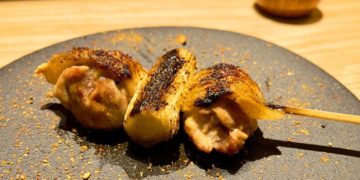
- The meat is skewered and grilled over binchotan charcoal to develop smoky flavor
- In the Kanto region, the eel is steamed before final grilling to tenderize it
- In Kansai, the steaming step is skipped, producing a crisper, firmer texture
The tare sauce used to glaze the unagi is typically passed down for generations. Many restaurants boast that their sauce has been simmering for decades, as each new batch is made by adding to the old. This continuity is believed to enhance flavor complexity.
Preparing unagi is considered a respected trade. Chefs train for years, starting with tasks like skewering or cleaning, before they’re allowed to fillet or grill.
4. Where to Eat Unagi in Japan
There are thousands of unagi restaurants across Japan, from humble food stalls to Michelin-starred institutions. The ambiance ranges from nostalgic wooden storefronts to upscale establishments with garden views.
Tokyo
- Unagi Akasaka Miyagawa: Over 100 years old, serves both traditional and contemporary presentations
- Obana in Minami-Senju: Legendary unajū with wait times exceeding an hour
- Nodaiwa near Tokyo Tower: Michelin-starred, operated by a family for five generations
Kyoto
- Unagi Hirokawa: Located in Arashiyama, offering scenic views and classic Kyoto refinement
- Kawabata Unagiya: A hidden gem along the Kamogawa River, serving hearty unajū and liver soup
Nagoya
- Atsuta Horaiken: Famous for pioneering hitsumabushi
- Unagi Shirakawa: Known for elegant plating and high-end sake pairings
Other Regional Specialties
- Hamamatsu (Shizuoka Prefecture): A historic eel farming hub with dozens of renowned restaurants
- Lake Biwa (Shiga Prefecture): Offers wild-caught eel in rustic countryside inns
- Kumamoto: Known for creamy-textured eel due to local aquaculture methods
Many department store restaurants and ekiben (station bento) vendors also offer unadon, making it accessible even on the go.
5. Sustainability Concerns
Japan consumes a large portion of the world’s eel supply, and overfishing has placed the Japanese eel (Anguilla japonica) on the endangered species list. In response:
- Imports from China and Taiwan have increased, though quality can vary
- Farming (aquaculture) techniques are improving, but most eels are still wild-caught as juveniles
- Research into full-cycle eel aquaculture continues but is not yet widely adopted
Consumer awareness is growing, and more restaurants now disclose sourcing and sustainability practices. Conservation groups are working with chefs and markets to promote alternatives like farm-raised eel or sustainable seasonal menus.
Some restaurants display logos or certifications indicating support for sustainable practices. Check for signage or ask about sourcing before ordering.
6. Tips for First-Time Unagi Diners
- Expect higher prices: Unagi is considered a luxury item; meals range from ¥2,000 to ¥10,000 depending on cut, size, and restaurant
- Reservation recommended: Particularly in summer or at famous establishments
- Seasonal peak: Visit during July–August for the most authentic experience
- Etiquette: Eat neatly, avoid mixing tare into rice, and appreciate the layered presentation
- Accompaniments: Traditional sides include:
- Kimosui: Clear eel liver soup
- Tsukemono: Seasonal pickled vegetables
- Yuzu sorbet or matcha jelly: Light desserts to cleanse the palate
Unagi is also featured in seasonal lunch courses, pairing eel with tempura, sashimi, or chawanmushi (egg custard). Bento boxes with unagi are common for takeout during special holidays or as gifts.
7. Unagi in Popular Culture
Unagi appears frequently in Japanese pop culture. It’s used as a metaphor for vitality or masculinity and is referenced in films, anime, and novels. Characters often seek out unagi to “recharge” before a challenge.
In international media, the word “unagi” is sometimes misunderstood or misused (as humorously referenced in the TV show Friends), but it remains one of the most recognizable Japanese food terms worldwide.
The image of a lacquer box filled with gleaming, caramelized unagi fillets over rice has become symbolic of indulgent, authentic Japanese cuisine.
Conclusion: A Taste of Japan’s Seasonal Soul
Unagi in Japan is more than food—it’s an expression of seasonal living, culinary mastery, and historical legacy. From bustling Tokyo eateries to riverside inns in the countryside, the love for grilled eel endures, delighting locals and tourists alike.
It’s also a dish that invites mindfulness. The care in preparation, the balance of flavors, and the connection to tradition all make eating unagi an experience—not just a meal.
Whether you’re trying unajū in a lacquered bento box, savoring hitsumabushi in Nagoya, or grabbing a quick bite at a station stall, each bite connects you with centuries of tradition and a uniquely Japanese rhythm of life.
📎 Learn more about Japanese food culture at: https://afterdarkjapan.com