










1. Introduction: Why Japan’s Music Subculture Comes Alive at Night
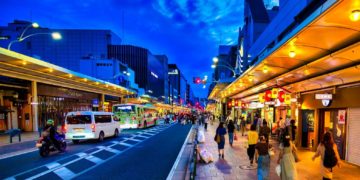
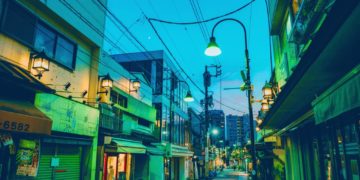
When the neon lights flicker on and Tokyo’s last office workers head home, another world begins to awaken—one with distorted guitars, thick eyeliner, and cramped concrete basements vibrating with life.
Japan’s livehouse culture isn’t just a part of its nightlife; it’s an entire ecosystem. It’s where future rock legends cut their teeth, where niche genres like shoegaze, math rock, and idol-core are kept alive, and where locals and foreigners alike come to feel something real.
If you’re the kind of traveler who skips the tourist attractions and asks where the locals go to feel, this is your scene.
2. What’s a Livehouse? The Heart of Japanese Indie Music
A livehouse (ライブハウス) is not a nightclub. It’s not a jazz lounge. It’s a small, often underground, music venue where bands—signed or unsigned—perform nightly to intimate audiences.
These venues often hold between 50 to 300 people, and they have one job: to put the music first. Unlike Western gigs that emphasize drinking and dancing, Japanese livehouses are often:
- Standing only
- No talking during sets
- Obsessively punctual
Sound quality is immaculate. Lighting is minimal. The vibe? Pure focus.
Even major bands like RADWIMPS, ONE OK ROCK, or BAND-MAID started in livehouses. Some venues have been operating since the 1980s, preserving Tokyo’s underground ethos in its purest form.
3. Best Cities and Neighborhoods for Underground Music
While Tokyo is the heart of the livehouse world, many other cities offer unique flavors. Here’s where to go:
🗼 Tokyo
- Shimokitazawa: Mecca for indie rock, lo-fi, and bedroom pop
- Koenji: Punk, metal, and underground experimental
- Shibuya: Polished indie, idol shows, and industry showcases
- Kichijoji: Jazz fusion, funk, and college band showcases
🌀 Osaka
- Amerikamura (Amemura): Street-style subculture and noise rock
- Shinsaibashi: More polished indie and crossover acts
🌆 Nagoya / Fukuoka / Sapporo
- Smaller but intense local scenes
- High engagement between audience and performers
- Often more welcoming to foreigners
4. Genre Deep Dive: What You’ll Hear in Japanese Livehouses
Japan’s indie scene is deeply fragmented—and that’s what makes it magical. You might walk into a bar expecting rock and end up in a sonic storm of experimental noise or glitch pop.
Here’s a quick cheat sheet:
| Genre | Description | Recommended Venue |
|---|---|---|
| Math Rock | Complex time signatures, technical skills | Shimokitazawa ERA |
| Idol-Core | Mix of idol aesthetics + hardcore metal | Shibuya Cyclone |
| Shoegaze | Washed-out guitars, dreamy vocals | Koenji HIGH |
| Post-Rock | Cinematic, instrumental build-ups | Daikanyama UNIT |
| Noise/Experimental | Raw, chaotic, avant-garde | Ochiai Soup (Tokyo) |
Each genre comes with its own subculture. You’ll find dedicated fans, specific etiquette, and even genre-themed drinks or merchandise.
5. Where to Find Gigs (Websites, Flyers & Word-of-Mouth)
Unlike commercial concerts, underground shows are not always well-promoted online, especially in English. Here’s how you can find them:
🖥️ Websites & Apps:
- LivePocket – Ticketing for indie events (Japanese interface only)
- TimeOut Tokyo – Occasionally lists underground events
- Songkick – Limited, but useful
- ZAIKO – Growing platform for live streams and live gigs
📄 Flyers & Posters:
- Walk through Shimokitazawa or Koenji and look for flyer walls
- Venues often allow artists to leave stacks of flyers—collect a few and plan your night
🗣️ Word-of-Mouth:
- Bartenders, hostel staff, and record store clerks are the best sources
- Visit stores like Disk Union, Jet Set Records, or Big Love Records and just ask: “Any good gigs tonight?”
Many livehouse attendees are friendly and happy to invite you to niche shows or introduce you to a local band they love.
6. What Makes the Experience Unique: Respect, Ritual, and Raw Sound
Japanese livehouses aren’t just about the music—they’re about mutual respect between artist and audience.
🔇 Audience Rules:
- No talking during performances
- Phones on silent or off—recording is often prohibited
- Clapping and cheering are polite but not excessive
- If you’re front-row, you don’t hog the space—rotate positions with others after each band
This makes for an atmosphere that’s intimate and intense. You feel the sweat, the mistakes, the improvisation—and you remember why live music matters.
🧼 Venue Etiquette:
- Always buy a drink ticket (ドリンクチケット) with your entry—usually ¥500–700
- Respect the time schedule. If the show says 19:00, the first band starts at 19:00
- Stay for multiple acts—most livehouse nights feature 3–5 artists on the same bill
You don’t go to a Japanese livehouse just to party. You go to listen.
7. Interview: An Indie Band’s View from the Underground
“Livehouses are where we find ourselves. They’re our training ground, our diary, our confessional booth.”
— Rina, bassist from Tokyo post-punk band Neon Salt
I met Rina after her band’s set at Koenji DOM. No backstage glamor. Just crates, wires, and a cooler full of cheap beer.
“Every show is different,” she said. “Sometimes 15 people, sometimes 100. But it’s always real. No auto-tune. No marketing gimmicks. Just us.”
They tour Osaka and Fukuoka by night bus, sleep on floors, and still press their own CDs.
“For foreigners? We love having them. It reminds us this scene matters outside Japan, too.”
8. Supporting the Scene: Merch, Money & Manners
Foreign visitors often ask: “Is it okay to buy merch even if I don’t understand the lyrics?”
Answer: YES. Please do.
Merch sales often help bands more than ticket revenue. Common items include:
| Item | Price Range |
|---|---|
| CD / EP | ¥1,000–2,500 |
| T-shirt | ¥2,500–4,000 |
| Sticker Pack | ¥300–500 |
| Zines | ¥500–1,000 |
💡 Pro Tip: Bring cash. Many booths are cash-only.
And don’t forget to thank the band (“otsukaresama desu” is a great phrase to say).
Most band members hang around the merch table post-set—say hello. You might make a lifelong connection.
9. Safety, Language, and Livehouse Survival Tips
Japan is one of the safest places to attend late-night gigs. But here’s how to stay smart:
📍 Finding the Venue:
- Many livehouses are in basements with tiny signage
- Check Google Street View beforehand or ask a nearby shop for help
🗣️ Language Tips:
- Entry = Nyuujou (入場)
- Drink ticket = Dorinku ken (ドリンク券)
- Encore = Ankōru (アンコール)
Most venues don’t require Japanese—but showing effort goes a long way.
🚇 Transportation:
- Last trains run between 12:00–12:45 AM
- Check train maps ahead or plan to use a late-night café until the first train (around 5 AM)
10. Conclusion: The Soul of Japan Lives in Its Basements
If Tokyo Tower and Mount Fuji show you the surface of Japan, livehouses show you the soul.
They’re where musicians scream their truth, where misfits dance off the week’s weight, where you might just cry from a guitar solo you didn’t understand but somehow felt.
So next time you’re in Japan, skip the chain bars for one night. Go underground. Find a livehouse. Stand in the dark. Listen.
And when the last chord fades and the lights come up—you’ll leave with more than a hangover. You’ll leave with a story.