









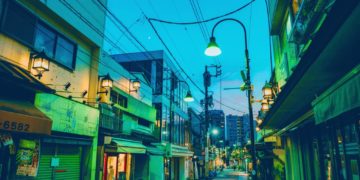

Japan’s public transportation system is famously clean, punctual, and safe. But after the last train departs and station shutters roll down, a very different atmosphere can settle in. From remote stations in the countryside to busy Tokyo hubs with sleeping passengers, the risks of late-night train travel in Japan are real—though subtle.
For travelers planning to stay out late or take early-morning trains, this guide breaks down what to expect, what to avoid, and how to stay secure when navigating Japan’s rail network at odd hours.
1. The Last Train Culture
Most major train lines stop running between 12:00 AM and 1:00 AM.
Miss it, and you’re often left with limited and costly options:
- Taxi (expensive for long distances)
- Capsule hotels (if you can find a vacancy)
- All-night cafés or karaoke
This leads to a unique sight: people sleeping on platforms or in stations until the first train (usually 5:00 AM).
2. Risks at Urban Stations
Even in Tokyo or Osaka, quiet late-night stations can be unsettling.
What to watch for:
- Drunken passengers: Some may become loud, confrontational, or unpredictable
- Pickpockets: Rare, but easier to operate when crowds thin
- Loiterers: Occasionally people with nowhere to go will sleep or linger in corners
- Flashers or gropers: Especially in dark or deserted walkways
Tips:
- Stay in lit, visible areas
- Keep bags zipped and close
- Sit near station staff booths if waiting overnight
3. Risks at Rural or Unstaffed Stations
Japan has hundreds of unstaffed or lightly attended stations, especially in Tohoku, Hokkaido, and Shikoku.
Hazards:
- No assistance if you miss a connection or fall ill
- Wild animals (deer, boars, even bears) can approach platforms
- No lighting or shelter, especially dangerous in winter
Tip:
- Avoid arriving or departing from rural stations late at night
- Check station staffing and operating hours on Hyperdia or Google Maps
4. Night Train Alternatives (and Their Drawbacks)
Japan once had a robust network of overnight sleeper trains—but most were discontinued. Still, options remain:
a. Sunrise Izumo / Sunrise Seto (Tokyo to Izumo or Takamatsu)
- Pros: Clean, affordable, romantic
- Cons: Booking required, limited routes
b. Highway Buses
- Pros: Operate overnight, cheaper than trains
- Cons: Less legroom, less safe than trains
c. Car Rentals
- Not advised unless you’re familiar with Japanese roads and signage
5. How Locals Cope
If you observe Japanese commuters, they often:
- Book capsule hotels in advance
- Stay at 24-hour manga cafés or karaoke booths
- Sleep on station benches (especially younger people)
- Take taxis for short distances
It’s common—but not always comfortable or secure.
6. Female Travelers: Special Advice
For women traveling solo late at night:
- Avoid empty cars—ride in cars closer to the driver or staff
- Use women-only cars during operating hours
- Be cautious in elevators and dark corridors
- Download safety apps like “SOS” or “Safety Tips” from JNTO
7. If You Get Stranded Late at Night
Your best options are:
- Capsule hotels (check availability via apps like Rakuten Travel)
- 24H cafes (like Komeda, Saizeriya)
- Karaoke booths (often open all night)
- Ask a station attendant for recommendations—they’ll often help
Do NOT:
- Wander into unfamiliar neighborhoods
- Sleep in random parks or streets—police may approach you
8. Real Stories from Travelers
- “I missed the last train in Yokohama and ended up in a karaoke room with a random salaryman. He sang enka until 5 AM.”
- “At a rural Hokkaido station, a bear warning sign and total darkness freaked me out. I waited in a vending machine hut.”
- “In Osaka, I stayed in a manga café. Everyone was snoring, and I didn’t sleep a minute—but it was cheap and safe.”
Conclusion: Convenience Ends with the Last Train
Japan’s trains are world-class—but not 24/7. Whether you’re bar-hopping, traveling between cities, or catching an early flight, understanding the limitations and risks of Japan’s rail network at night is essential.
Plan ahead, avoid solo overnights in unknown stations, and know your backup plans. The last train might be your last safe bet.
📎 For more late-night travel tips in Japan: https://afterdarkjapan.com