



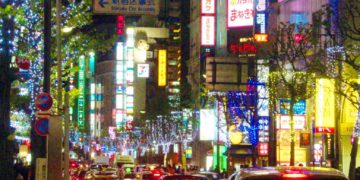



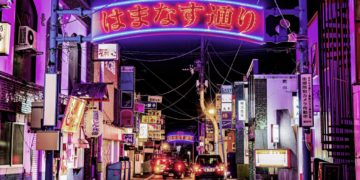
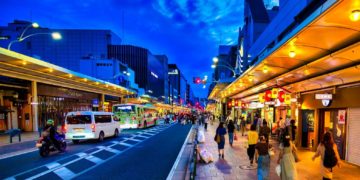
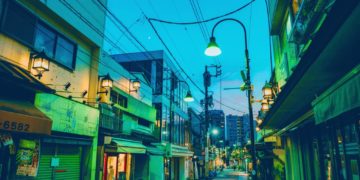


When the sun sets in Japan, the city doesn’t sleep. From midnight ramen to all-night karaoke, Japanese nightlife offers endless options for after-dark entertainment.
But where do locals actually go? What do they spend? And how do they make the most of the hours between midnight and sunrise?
Let’s explore Japan’s favorite late-night playgrounds.
1. Karaoke: The All-Time Favorite
What It Is:
Private singing rooms (karaoke boxes) where groups or solo visitors can sing their hearts out.
What It Costs:
- ¥1,500–¥3,500 ($10–$25) for overnight packages (6–8 hours)
- Often includes unlimited soft drinks; alcohol plans are extra
Why Locals Love It:
- No judgment, full privacy
- Great for killing time until first train
- Some use it to nap—yes, really
Karaoke chains like Big Echo and Karaoke Kan are open 24/7 in major cities.
2. Manga Cafes (Mangakissa)
What It Is:
A place to read comics, watch movies, surf the net, or nap in a private cubicle.
What It Costs:
- ¥1,000–¥2,500 ($7–$18) for overnight stays
- Includes drinks, showers, and Wi-Fi
Why Locals Love It:
- Cheap alternative to hotels
- Perfect for solo travelers, gamers, or people who missed the train
- Quiet, safe, and no reservation needed
Many manga cafes now feel like minimalist capsule hotels—with comics.
3. Late-Night Izakaya, Ramen Shops, and Dining
What They Are:
Casual Japanese pubs and noodle joints that stay open till morning.
What It Costs:
- Izakaya: ¥2,000–¥5,000 ($14–$35) depending on drinks and food
- Ramen: ¥700–¥1,200 ($5–$9)
Why Locals Love Them:
- Comfort food after a night of drinking
- Great atmosphere for deep conversations
- Spontaneous hangouts often end here
Some famous ramen chains (like Ichiran) offer solo booths and 24/7 service.
4. Game Centers, Bowling, Darts, and Spo-Cha
What They Are:
Bright, energetic entertainment hubs including arcades, bowling alleys, darts bars, and Spo-Cha (Sports Challenge)
Spo-Cha (by Round1) is an all-you-can-play venue offering:
- Batting cages
- Basketball, tennis, and roller skating
- Karaoke, arcade games, darts, table tennis
What It Costs:
- Bowling: ¥500–¥800 per game + shoe rental
- Darts bars: ¥100–¥300 per game, drinks extra
- Spo-Cha: ¥1,500–¥2,500 ($10–$18) for unlimited play (3–6 hours)
Why Locals Love Them:
- Active fun, great for groups and dates
- Spo-Cha is perfect for late-night energy bursts
- Most Round1 locations are open until 5AM or 24/7
These spots are wildly popular with students and couples looking for affordable fun.
5. Night Spas and Public Baths
What They Are:
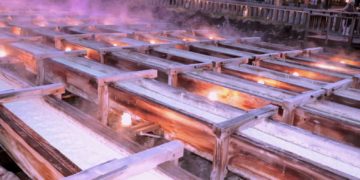
24-hour bathhouses with hot springs, saunas, lounges, and massage services.
What It Costs:
- ¥2,000–¥4,000 ($15–$30) for overnight use
- Massage and food cost extra
Why Locals Love Them:
- Relaxation after a night out
- Clean, affordable, and safe
- Ideal for early morning flights or recovery days
Spots like Spa LaQua in Tokyo Dome City are popular among all ages.
How Locals Use These Spaces
- Salarymen: De-stress in karaoke, baths, or darts bars
- Youth groups: Combine Spo-Cha, arcade games, ramen, or karaoke
- Couples: Enjoy manga cafes, bowling nights, or rooftop spas
- Solo travelers: Manga kissa, ramen, and late-night walks
For many Japanese, the night isn’t something to escape—it’s something to explore.
Conclusion
From karaoke to Spo-Cha, Japan’s nightlife isn’t just about clubs and bars—it’s diverse, creative, and full of surprises.
If you’re up at 2AM in Japan, don’t go to bed. Go explore.
Because the real Japan? Sometimes it only comes out after dark.