











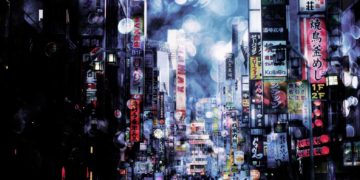




Introduction: The Chilling Allure of Kaidan
In Japan, the act of telling ghost stories isn’t just a pastime—it’s an art form, a tradition, and a way of life.
Known as kaidan (怪談), these eerie tales have been whispered across tatami mats, echoed down ancient streets, and flickered in the candlelight of summer nights for centuries.
More than simple horror stories, kaidan explore deep human fears: betrayal, revenge, love beyond death.
Ghost stories are not simply entertainment in Japan.
They’re reflections of morality, memory, and the fragile line between the living and the dead.
Tonight, let’s sit by the flickering flame and listen closely to the whispers in the dark.
1. What Is “Kaidan”?
Kaidan comes from two kanji:
- “Kai” (怪) meaning “strange” or “mysterious”
- “Dan” (談) meaning “talk” or “narrative”
Thus, kaidan are “strange tales”—stories of the supernatural, often featuring ghosts, spirits, curses, or unexplained events.
Unlike Western horror, Japanese kaidan:
- Often emphasize subtle psychological fear
- Focus on atmosphere over gore
- Leave endings ambiguous or unresolved
True terror, kaidan teaches, lies not in what you see—but in what you imagine.
2. The Tradition of Hyakumonogatari (100 Ghost Stories Game)
During the Edo period (1603–1868), samurai and townspeople played a chilling parlor game called Hyakumonogatari Kaidankai (百物語怪談会):
How It Worked:
- Light 100 candles in a dark room.
- Participants take turns telling ghost stories.
- After each story, extinguish one candle.
- As the room grows darker, tension rises.
- Supposedly, reaching the final candle would summon spirits into the room.
Result:
Many groups stopped before reaching the end, too terrified to continue.
This ritual cemented ghost storytelling as a popular and communal experience in Japan—a chilling but thrilling way to connect with the unknown.
3. Iconic Japanese Ghost Stories
Let’s dive into the most famous kaidan that continue to haunt Japanese imagination today.
1. Oiwa-san and the Ghost of Yotsuya (Yotsuya Kaidan)
Summary:
Oiwa was a beautiful woman betrayed by her husband, who poisoned her to marry a richer woman.
Disfigured and furious, Oiwa’s ghost returns—appearing everywhere her husband looks, her ruined face twisted in sorrow and rage.
Famous Images:
- A paper lantern morphing into Oiwa’s ghostly face
- Her reflection appearing in mirrors, water, and sliding doors
Legacy:
- The most famous ghost story in kabuki theater
- Believed to be cursed: many actors refuse to perform it without praying at Oiwa’s shrine first
Betrayal invites a ghost that never rests.
2. Okiku and the Haunted Well (Banchō Sarayashiki)
Summary:
Okiku, a servant falsely accused of breaking a valuable plate, was killed and thrown into a well.
Her spirit remains, endlessly counting plates: “One… two… three…” until reaching nine—and then shrieking.
Signature Detail:
- The sound of Okiku’s ghost counting in the night
- Wells are often feared as ghostly portals in Japanese lore
Modern Site:
- Okiku’s Well can still be visited at Himeji Castle in Hyogo Prefecture.
3. Botan Doro (The Peony Lantern)
Summary:
A lonely samurai falls in love with a beautiful woman who visits him every night carrying a peony lantern.
Only too late does he discover she is already dead—and he is slowly wasting away from embracing her ghost.
Themes:
- Love beyond death
- Blindness caused by passion
Visuals:
- The faint glow of a lantern floating through the dark
- A lover too beautiful to be real
4. Ghosts in Edo Period Entertainment
In the Edo period, kaidan exploded into:
- Kabuki plays (like Yotsuya Kaidan)
- Woodblock prints (ukiyo-e of haunting spirits)
- Ghost story collections published for mass audiences
The rise of printing and urbanization meant that:
- Ghost stories became shared cultural touchstones
- Ghost imagery entered art, fashion, and daily conversation
Summer kaidan performances were particularly popular, providing emotional chills during hot, stagnant evenings.
5. Ghost Stories in Modern Japan
A. TV and Film
- Ring (Ringu): The cursed videotape horror phenomenon
- Ju-On (The Grudge): Vengeful spirit horror, rooted in traditional kaidan structure
Modern J-horror films often reflect traditional kaidan:
- Minimalistic visuals
- Slow-building dread
- Ghosts as metaphors for unresolved emotions
B. Scary Storytelling Events (Kaidan Kai)
Today, you can find:
- Live ghost storytelling events in old temples
- Summer haunted house attractions (obakeyashiki)
- Candle-lit kaidan nights in historic districts like Asakusa
Storytellers wear kimono, light incense, and tell tales so chilling that goosebumps are considered a success.
6. Why Ghost Stories Are a Living Tradition
In Japan, ghost stories persist because they connect with:
- Nature (forests, rivers, weather)
- Emotion (love, regret, betrayal)
- Community (shared fears and lessons)
Unlike many Western ghost stories focused purely on terror, kaidan often:
- Evoke pity or sorrow for the ghost
- Explore human weakness and mistakes
- Offer lessons about respect, humility, and awareness
Ghosts are not simply evil.
They are wounded spirits with human hearts.
7. Conclusion: Listening to Whispers in the Dark
The next time you walk down a dimly lit street in Tokyo—or anywhere in Japan—listen carefully.
You might hear:
- The soft sound of footsteps behind you
- The faint counting of plates carried on the wind
- The silent sadness of a spirit still searching for peace
Ghost stories aren’t about fear alone.
They’re about memory, sorrow, justice—and the quiet truth that the past is never truly gone.
In Japan, the night belongs not only to the living.
It belongs to whispers carried by candlelight, echoes fading into mist, and the unseen companions who still walk beside us.