





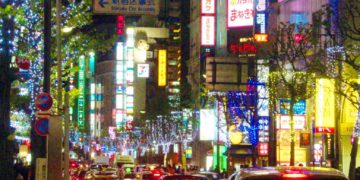


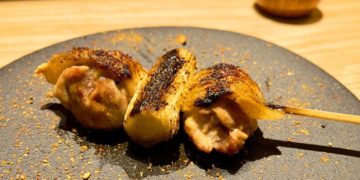
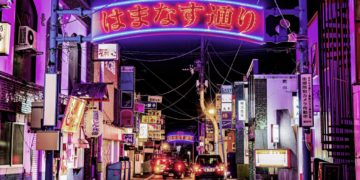

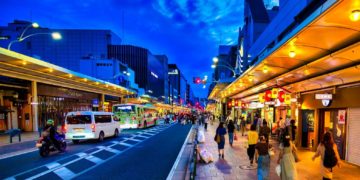


Mastering Tokyo’s most dynamic bar-hopping route where every 20 steps changes the cultural landscape
Introduction: The Geography of Gastronomic Evolution
In the heart of Tokyo’s sophisticated Ebisu district, a remarkable culinary ecosystem has evolved where traditional Japanese drinking culture collides with international craft cocktail movements, creating a bar-hopping experience unlike anywhere else in the city. Within a single city block, visitors can journey from working-class hormone stew to artisanal gin cocktails, experiencing centuries of drinking culture compressed into a walk that takes less than five minutes but can easily consume an entire evening.
This isn’t the chaotic sprawl of Shinjuku’s Memory Lane or the tourist-friendly predictability of Shibuya’s entertainment zones. Ebisu’s yokocho (alley) culture represents something more sophisticated: a carefully curated progression of drinking establishments that demonstrates Tokyo’s unique ability to preserve traditional culture while embracing international innovation, often within the same narrow street.
The famous Ebisu Yokocho gets most of the attention, but the real magic happens in the surrounding blocks where a complex network of alleys, basement bars, and converted apartments creates what locals call the “20-step rule”—the idea that every 20 steps in any direction leads to a completely different drinking culture, from hardcore salaryman havens serving organ meat and cheap beer to whisky libraries that rival Scotland’s finest establishments.
For visitors seeking to understand how Tokyo’s drinking culture actually works—not as isolated experiences but as interconnected ecosystems—Ebisu after dark offers a masterclass in cultural navigation, timing, and the art of strategic intoxication.
The Cultural Cartography of Ebisu’s Drinking Districts
Understanding the Micro-Neighborhoods
Ebisu’s drinking culture divides into distinct micro-neighborhoods, each with its own demographic, pricing structure, and cultural codes. Understanding these invisible boundaries is crucial for successful bar-hopping that flows naturally between different experiences rather than jarring between incompatible venues.
The Traditional Zone centers around the famous Ebisu Yokocho and extends into the narrow alleys immediately surrounding it. Here, post-war drinking culture survives in tiny establishments that serve grilled organ meat, cheap beer, and the kind of democratic socializing that defined Japan’s economic miracle. Customers range from construction workers to company presidents, unified by their appreciation for authentic flavors and unpretentious atmospheres.
The Craft Zone occupies newer buildings and converted spaces within a three-block radius, featuring establishments that cater to Tokyo’s emerging craft cocktail culture. These venues often have English menus, international staff, and price points that reflect their premium ingredients and sophisticated techniques. The clientele tends toward younger professionals, international residents, and serious cocktail enthusiasts.
The Hybrid Zone represents the most interesting cultural space—establishments that successfully blend traditional Japanese drinking culture with contemporary international influences. These venues might serve house-made sausages alongside traditional yakitori, or feature sake cocktails that demonstrate technical innovation while respecting traditional flavors.
The Economics of Cultural Transition
Moving between Ebisu’s different drinking zones requires understanding how pricing structures reflect cultural positioning and customer expectations. Traditional venues operate on razor-thin margins that keep prices low through volume, simple preparations, and minimal service overhead. Craft establishments justify higher prices through premium ingredients, skilled labor, and atmospheres designed for leisurely consumption.
The transition between price points must be managed strategically to avoid sticker shock and cultural whiplash. Starting with expensive craft cocktails then moving to traditional venues can feel jarring and potentially disrespectful to the democratic principles that govern traditional drinking culture. Conversely, beginning with cheap traditional drinks can make later craft cocktail prices seem exploitative.
Reading the Visual Cues
Each of Ebisu’s drinking micro-neighborhoods communicates its cultural identity through visual codes that experienced bar-hoppers learn to recognize instantly. Traditional venues feature red paper lanterns, handwritten menu boards, and plastic food displays that emphasize authenticity over aesthetics. Craft establishments tend toward minimalist signage, subdued lighting, and interior design that emphasizes sophistication and attention to detail.
Understanding these visual languages helps visitors select appropriate venues for their current mood and social energy while avoiding cultural mismatches that can diminish the overall experience.
The Strategic Art of Sequential Drinking
The Four-Stage Progression Model
Successful Ebisu bar-hopping follows a four-stage progression that maximizes both cultural exposure and physiological sustainability. This model, developed through years of local experimentation, creates natural rhythm while building toward increasingly sophisticated experiences.
Stage 1: Traditional Foundation (7 PM – 8:30 PM) Begin with traditional yokocho venues that serve grilled organ meat, simple yakitori, and beer or chuhi. This stage establishes social energy, provides substantial food foundation, and introduces visitors to authentic Japanese drinking culture without requiring sophisticated palate appreciation.
Stage 2: Comfort Food Bridge (8:30 PM – 10 PM) Transition to venues that offer more familiar comfort foods—karaage chicken, grilled sausages, or simple pasta dishes—paired with slightly more sophisticated drinks like regional sake or basic cocktails. This stage allows alcohol processing while maintaining energy for later experiences.
Stage 3: Craft Exploration (10 PM – 11:30 PM) Move to craft cocktail establishments that showcase technical skill and premium ingredients. This stage requires slower consumption, focused appreciation, and willingness to invest time in conversations with skilled bartenders who can explain their techniques and ingredient choices.
Stage 4: Sophisticated Conclusion (11:30 PM – Close) End at authentic whisky bars or sake specialists that offer rare selections and expert knowledge. This final stage emphasizes quality over quantity, providing memorable conclusions while avoiding the trap of diminishing returns from continued alcohol consumption.
Timing and Crowd Management
Each stage of the progression requires different timing strategies to avoid crowds and access the best service. Traditional venues fill quickly after 7 PM with office workers but often have second waves of availability around 9 PM when early groups depart. Craft cocktail bars typically have their quietest periods between 8 PM and 10 PM, offering optimal bartender attention and atmosphere.
Understanding these crowd patterns allows strategic timing that maximizes positive experiences while minimizing wait times and crowded conditions that can diminish cultural appreciation.
The Art of Graceful Transition
Moving between venues with different cultural codes requires social skills that many bar-hoppers overlook. Traditional venues expect quick ordering, efficient consumption, and minimal interaction with staff beyond essential transactions. Craft establishments reward curiosity, conversation, and willingness to experiment with unfamiliar ingredients.
Successful transitions involve adjusting behavioral expectations, conversation styles, and consumption patterns to match each venue’s cultural context rather than imposing consistent approaches across different establishments.
Stage 1: Traditional Foundation – The Organ Stew Chronicles
Understanding Hormone Culture
Japanese horumon (organ meat) culture represents one of the most authentic aspects of traditional drinking, where cuts of meat that other cuisines discard become the foundation for social experiences that cross class boundaries. The preparation and consumption of organ meat requires skill, cultural knowledge, and appreciation for flavors that many international visitors find challenging.
The most rewarding hormone experiences occur in tiny establishments where skilled grill masters prepare fresh organ meat over charcoal fires, creating complex flavors through careful timing and temperature control. These venues typically feature counter seating that encourages interaction with both staff and fellow customers, creating social dynamics that define traditional Japanese drinking culture.
Navigating the Organ Menu
For first-time hormone consumers, understanding basic organ types and preparation methods prevents ordering mistakes while demonstrating cultural respect. Tan (tongue) offers the most accessible introduction, with tender texture and mild flavor that doesn’t challenge Western palates. Hatsu (heart) provides slightly more intensity while maintaining familiar texture, making it ideal for gradual organ meat appreciation.
More challenging options like shiro (intestines) and mino (stomach lining) require developed palates and cultural commitment but reward adventurous eaters with complex flavors and textures that demonstrate the sophistication possible within traditional preparations.
Beer and Chuhi Pairings
Traditional hormone venues pair organ meat with simple, effective alcoholic beverages that complement rather than compete with complex meat flavors. Draft beer provides cleansing carbonation and bitter notes that cut through rich organ meat, while chuhi (shochu highball) offers lighter alcohol content with citrus notes that enhance rather than mask subtle meat flavors.
Understanding these traditional pairings helps visitors appreciate the cultural logic that governs traditional drinking while avoiding wine or cocktail selections that might seem pretentious in venues that celebrate democratic simplicity.
Stage 2: Comfort Food Bridge – International Fusion Territory
The Cultural Compromise Zone
Between traditional hormone culture and sophisticated cocktail experiences lies a crucial intermediate zone where Japanese drinking culture accommodates international palates without abandoning its essential character. These venues typically offer familiar foods prepared with Japanese techniques and ingredients, creating comfort food that bridges cultural gaps.
Popular bridge foods include karaage chicken prepared with distinctive Japanese seasonings, grilled sausages that incorporate traditional Japanese flavors, and simple pasta dishes that demonstrate Italian techniques applied to Japanese ingredients. These preparations provide familiar foundations while introducing subtle cultural elements that prepare palates for more adventurous experiences.
Sake Education Opportunities
Bridge venues often provide optimal environments for sake education, offering regional varieties paired with approachable foods that demonstrate sake’s versatility without requiring extensive cultural knowledge. Many establishments feature sake flights or comparison tastings that allow gradual appreciation development.
The key is selecting sakes that complement the food offerings while building appreciation for the complexity and regional variations that make sake culture fascinating. Sweet and semi-sweet varieties often work best for international palates, providing entry points for understanding sake’s potential without overwhelming unfamiliar flavor profiles.
Social Energy Management
Bridge venues serve crucial functions in managing social energy throughout extended bar-hopping sessions. The familiar food offerings provide opportunities for substantial eating that supports continued alcohol consumption, while the mixed cultural atmosphere allows relaxation from the cultural intensity that both traditional and sophisticated venues can create.
This stage often provides optimal opportunities for group conversation, cultural reflection, and planning for later venues that might require more focused attention and cultural sensitivity.
Stage 3: Craft Exploration – The New Tokyo Cocktail Renaissance
Understanding Tokyo’s Craft Movement
Tokyo’s craft cocktail scene represents a fascinating fusion of Japanese precision with international techniques and ingredients. The city’s bartenders often undergo extensive training that combines traditional Japanese apprenticeship models with contemporary cocktail techniques, creating practitioners who demonstrate both technical skill and cultural depth.
The best Ebisu craft establishments feature bartenders who can explain their techniques, discuss ingredient sourcing, and create custom cocktails based on customer preferences and previous consumption. These interactions become educational experiences that enhance appreciation for both Japanese attention to detail and international cocktail innovation.
Gin Culture and Japanese Innovation
Japanese gin distilleries have emerged as significant players in the global craft gin market, incorporating botanical ingredients that reflect local terroir while respecting traditional gin production methods. Ebisu’s craft bars often feature extensive Japanese gin selections that demonstrate these innovations alongside international selections for comparison.
Understanding Japanese gin’s distinctive characteristics—often featuring citrus elements, floral notes, and subtle spice profiles—helps visitors appreciate the cultural influences that shape contemporary Japanese distilling while recognizing the international context that influences local innovation.
The Ritual of Craft Service
Craft cocktail service in Japan incorporates traditional hospitality concepts with contemporary presentation techniques, creating service experiences that emphasize attention to detail, seasonal awareness, and customer education. Bartenders often explain their ingredient choices, preparation methods, and the cultural or historical significance of specific cocktails.
This educational component transforms cocktail consumption into cultural learning experiences that provide insights into Japanese approaches to craftsmanship, quality control, and customer service that extend far beyond alcohol preparation.
Stage 4: Sophisticated Conclusion – Whisky Temples and Sake Sanctuaries
The Philosophy of Finishing Strong
The final stage of Ebisu bar-hopping should emphasize quality over quantity, providing memorable conclusions that justify the investment in time and cultural exploration. This typically involves venues that specialize in rare or premium selections, expert knowledge, and atmospheres designed for contemplation rather than high-energy socializing.
Whisky bars that feature rare Japanese selections, extensive Scottish collections, or bourbon varieties unavailable elsewhere provide opportunities for experiences that couldn’t be replicated outside of specialized environments. Similarly, sake specialists who offer limited production varieties or aged selections demonstrate the potential for sophistication within traditional Japanese alcohol culture.
Managing Palate Fatigue
After several hours of progressive drinking and eating, palate fatigue becomes a significant consideration that affects appreciation for sophisticated final experiences. Successful venues understand this challenge and often provide palate cleansers, suggest optimal tasting sequences, or offer guidance on selections that work best for customers who’ve had extensive previous consumption.
The key is honest communication with skilled bartenders or proprietors who can recommend experiences that enhance rather than waste the investment in final venue visits.
Economic Considerations for Premium Experiences
Final stage venues typically feature premium pricing that reflects rare ingredients, expert knowledge, and sophisticated atmospheres. Planning budget allocation to allow for meaningful participation in these experiences requires understanding that cost per drink might be several times higher than earlier venues.
However, the educational value, rarity of selections, and expertise provided often justify premium pricing for visitors seeking authentic insights into Japanese alcohol culture and international quality standards.
Navigational Strategies and Route Optimization
The Core Circuit: Maximizing Cultural Density
The optimal Ebisu bar-hopping route follows a roughly circular pattern that maximizes cultural exposure while minimizing walking distance and backtracking. Beginning near Ebisu Station’s east exit, the route progresses through traditional yokocho areas, transitions through hybrid zones, explores craft cocktail districts, and concludes at premium specialist venues.
This geographic progression naturally aligns with the four-stage cultural progression, creating logical flow between different venue types while providing opportunities for route modification based on individual preferences, group dynamics, or unexpected discoveries.
Alternative Routes for Different Priorities
Food-Focused Route: Emphasizes venues with exceptional food offerings, potentially spending more time in bridge venues and traditional establishments that excel at food preparation rather than rushing toward cocktail experiences.
Cocktail-Centric Route: Minimizes time in traditional venues, focusing on craft establishments and premium bars that showcase technical innovation and rare selections.
Cultural Immersion Route: Prioritizes authentic traditional experiences and venues with strong local customer bases, potentially avoiding obviously international-oriented establishments in favor of deeper cultural exposure.
Crowd Avoidance and Timing Strategies
Weekend evenings create significantly different crowd patterns that require modified strategies. Friday and Saturday nights often see traditional venues fill with large groups of office workers, while craft establishments attract different demographics seeking weekend entertainment rather than post-work relaxation.
Optimal crowd avoidance often involves starting slightly earlier (around 6:30 PM) to secure seats in popular traditional venues, then using crowd transitions to access craft establishments during their quieter periods before concluding at premium venues that maintain consistent atmosphere regardless of day of the week.
Cultural Codes and Social Navigation
Understanding Venue-Specific Etiquette
Each type of Ebisu establishment operates according to different social codes that affect everything from ordering procedures to conversation styles and payment methods. Traditional venues expect quick decision-making, direct communication, and efficient consumption that doesn’t monopolize limited seating during busy periods.
Craft establishments reward curiosity, patience, and willingness to engage with bartender expertise, often expecting customers to spend substantial time with individual drinks while appreciating technical and artistic elements of cocktail preparation.
Premium venues often operate according to quieter, more formal protocols that emphasize respect for rare selections, appreciation for expertise, and understanding that higher prices reflect genuine scarcity and quality rather than arbitrary markup.
Language and Communication Strategies
While many Ebisu establishments cater to international customers, the most authentic experiences often occur in venues where English is limited but staff demonstrate enthusiasm for cultural exchange. Learning basic Japanese drinking vocabulary and food terms enhances these interactions while showing respect for local culture.
Key phrases for bar-hopping include ordering language, appreciation expressions, and polite ways to request recommendations or modifications. Understanding drinking toasts, payment procedures, and appropriate tipping practices (none expected in Japan) prevents cultural misunderstandings.
Group Dynamics and Social Responsibility
Bar-hopping in Ebisu works best with groups of 2-4 people who share similar cultural curiosity and drinking tolerance. Larger groups often encounter difficulty accessing smaller venues, while solo travelers miss social elements that make venue transitions and cultural navigation more enjoyable.
Managing group alcohol consumption, ensuring everyone can participate safely in venue progressions, and maintaining respect for venue atmospheres and other customers requires ongoing attention to group dynamics and individual needs.
Seasonal Considerations and Timing Optimization
Spring: Cherry Blossom Season and Increased Tourism
Spring brings unique opportunities and challenges for Ebisu bar-hopping, as cherry blossom tourism increases crowds while creating festive atmospheres that enhance traditional drinking experiences. Many venues offer seasonal menu items and decorations that reflect hanami culture.
However, increased tourism during peak cherry blossom periods can overwhelm smaller venues, requiring modified timing strategies and potentially alternative route planning that avoids the most tourist-impacted establishments.
Summer: Outdoor Extensions and Cooling Drinks
Summer heat creates opportunities for extended outdoor drinking experiences as many venues open temporary seating areas and feature drinks designed for hot weather consumption. Traditional chuhi and beer consumption increases, while craft establishments often feature seasonal cocktails that incorporate cooling ingredients.
The combination of heat and alcohol requires careful pace management and increased attention to hydration and food consumption throughout extended bar-hopping sessions.
Autumn: Seasonal Ingredients and Harvest Celebrations
Autumn brings opportunities for seasonal food and drink experiences that showcase Japanese attention to seasonal awareness and ingredient quality. Many establishments feature autumn-specific menu items, seasonal sake varieties, and decorations that reflect traditional aesthetic appreciation for seasonal change.
Comfortable autumn temperatures often provide optimal conditions for extended outdoor exploration and venue transitions, while seasonal celebrations create enhanced social atmospheres in traditional establishments.
Winter: Indoor Focus and Warming Drinks
Winter weather shifts emphasis toward indoor experiences and warming alcoholic beverages that complement cold weather conditions. Traditional establishments often feature seasonal preparations, while craft bars showcase winter cocktails and premium spirits that provide warming effects.
Cold weather requires different clothing strategies that accommodate multiple venue visits, while heating costs and reduced outdoor seating may affect venue atmosphere and pricing structures.
Economic Strategies and Budget Management
Understanding the Pricing Spectrum
Ebisu bar-hopping involves dramatic price variations that require strategic budget management to ensure sufficient resources for optimal experiences at each stage. Traditional venues might charge ¥2,000-3,000 for substantial food and drink, while premium final venues might charge ¥3,000-5,000 per drink.
Successful budget allocation typically involves spending roughly 30% of the total budget on traditional venues, 40% on bridge and craft establishments, and 30% on premium conclusions. This distribution allows meaningful participation in each cultural stage while preventing budget exhaustion that forces premature conclusion.
Value Optimization Strategies
Understanding value propositions at different venue types helps optimize spending for maximum cultural and gustatory return. Traditional venues often provide exceptional value through generous portions and authentic experiences, while craft establishments justify higher prices through education, technique, and ingredient quality.
Premium venues require understanding that high prices often reflect genuine scarcity, expertise, and experiences unavailable elsewhere rather than arbitrary markup, making them worthwhile investments for visitors seeking rare or exceptional experiences.
Payment Methods and Cultural Considerations
Most Ebisu establishments accept cash and major credit cards, but smaller traditional venues may prefer cash transactions. Understanding tipping protocols (not expected), payment timing (usually at the end of each venue visit), and group payment methods helps navigate financial transactions smoothly.
Some premium venues may require payment for each drink individually, while others operate on running tabs that allow cumulative payment. Understanding these variations prevents awkward payment situations that can disrupt cultural experiences.
Safety, Health, and Responsible Consumption
Managing Progressive Intoxication
Extended bar-hopping requires ongoing attention to alcohol consumption levels, food intake, and individual tolerance factors that affect safety and experience quality. The progression from traditional to premium venues naturally encourages slower consumption rates, but requires conscious management to prevent overindulgence.
Strategies include substantial food consumption at each stage, regular water intake, honest assessment of individual tolerance levels, and willingness to modify routes or conclude early if necessary for safety or comfort.
Transportation and Navigation Safety
Late-night navigation between venues requires attention to street conditions, weather factors, and individual coordination levels that alcohol consumption affects. Ebisu’s compact geography minimizes walking distances, but uneven surfaces, lighting conditions, and potential weather changes require ongoing safety awareness.
Understanding last train schedules, taxi availability, and alternative transportation options helps ensure safe return to accommodations regardless of how late venue visits extend.
Cultural Responsibility and Venue Respect
Responsible bar-hopping includes respect for venue atmospheres, staff working conditions, and other customers who are also seeking positive experiences. This involves managing conversation volume, respecting photography policies, and contributing positively to social atmospheres rather than disrupting ongoing cultural experiences.
Understanding when personal alcohol consumption levels might negatively affect venue visits allows graceful conclusion before reaching points where continued consumption becomes culturally inappropriate or personally unsafe.
Conclusion: Mastering the Art of Cultural Progression
Ebisu’s unique drinking landscape offers something unprecedented in Tokyo’s nightlife: the opportunity to experience centuries of drinking culture evolution compressed into a single evening’s exploration. The district’s remarkable density of venue types creates natural laboratories for understanding how traditional Japanese culture adapts to international influences while maintaining its essential character.
The 20-step rule that governs Ebisu’s cultural geography reflects Tokyo’s genius for creating micro-environments that preserve cultural authenticity while embracing innovation. Within a few city blocks, visitors can witness the entire spectrum of Japanese drinking culture, from post-war working-class traditions to cutting-edge craft cocktail innovation, each maintained with the attention to detail and commitment to excellence that defines Japanese approaches to craftsmanship.
Successfully navigating this cultural progression requires more than simply visiting different venues—it demands understanding the social codes, timing strategies, and appreciation methods that allow meaningful participation in each cultural stage. The investment in cultural preparation and strategic planning yields experiences that provide insights into Japanese society, individual craftsmanship, and the complex ways that tradition and innovation coexist in contemporary Tokyo.
For visitors seeking authentic cultural experiences beyond superficial tourism, Ebisu after dark offers a masterclass in cultural navigation that extends far beyond drinking and dining. The skills developed through strategic bar-hopping—reading social cues, adapting to different cultural codes, managing complex progressions, and appreciating subtlety alongside obvious pleasures—translate to broader understanding of how to engage meaningfully with Japanese culture.
The organ stew that begins the evening and the rare whisky that concludes it represent more than simply different flavor experiences—they embody different approaches to life, craftsmanship, and social interaction that continue to shape contemporary Japanese culture. In the narrow alleys of Ebisu, where every 20 steps leads to a different world, visitors can discover how tradition and innovation create the complex cultural landscape that makes Tokyo endlessly fascinating.
This isn’t drinking tourism—it’s cultural anthropology conducted through strategic consumption, where every venue visit becomes an opportunity to understand how Japanese society balances preservation with adaptation, quality with accessibility, and individual expression with community values.