









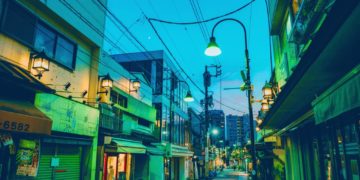

Introduction: Nighttime Sakura’s Quiet Magic
Spring in Tokyo is often judged by its daytime cherry blossoms, but after dusk, a different marvel emerges. Àfter 7 PM, illuminated sakura transform into glowing arches and reflective riversides, offering a dreamlike canvas for hanami. Tokyo’s “Yozakura Nights” deliver a sensory blend of ambient lamps, whispering breezes, seasonal delicacies, and fleeting moments of wonder by moonlight.
This guide dives deep—covering where to go, what to bring, how to stay safe and respectful, and why these nocturnal blossoms linger in the soul long after petals fall.
1. What Is Yozakura? Nighttime Hanami Culture in Context
1.1 🌸 Origins of Hanami & Yozakura
Hanami traces back to the 8th century, but spending time under night-blooming cherry trees emerged during Edo-era poetry circles. By lighting lanterns beneath the blooms, aristocrats and artists deepened the blossoms’ poetic allure under moonlight.
Today, yozakura is about time bending—the luminous sakura become mirrors of flame, mist, and night—and Tokyo’s rivers, gardens, and lantern-lit paths allow us to sense that hidden romance again.
1.2 Why the Night Changes the Experience
What makes yozakura remarkable isn’t just the visuals—it’s the sound, scent, and reflection. In the hush, you’ll notice petals drifting to lantern-lit water, low conversations instead of daytime crowds, and the unexpected poetry of wisteria scented by night air. The chill balances the bloom’s sweetness. It becomes an immersive moment, not a photo op.
2. Best Yozakura Spots in Tokyo for 2025
Here are the top five Tokyo destinations to experience nighttime sakura, ranked by ambiance and accessibility.
2.1 Meguro River
- Why it stands out: A half-mile walkway under 800 cherry trees—each mirrored in gentle waters and overhead lanterns. Popular with couples, families, and locals.
- What to expect: Drink carts offering sparkling sake and hanami snacks. Be mindful of small bridges and crowded paths.
- Timing: Peak bloom season runs roughly April 2–10, with best lighting between 6–10 PM.
2.2 Ueno Park
- Why visit: One of Tokyo’s earliest night hanami spots, Ueno Park combines heritage temples with food stalls.
- Highlights: Sanctuary Illuminations festival lights up old trees near Kiyomizu Pond.
- Tip: Visit weekdays for fewer crowds, or enjoy night concerts on the central plaza.
2.3 Chidorigafuchi Moat
- Vibe: Serene, cinematic, and perfect for boat rentals under sakura canopies.
- Experience: Rent a rowboat and float beneath pale petals for up to 30 minutes at night.
- Note: Book well in advance—first-come boats fill before 7 PM.
2.4 Sumida Park
- Iconic view: Cherry blossoms framing Tokyo Skytree Reach, illuminated neon.
- Atmosphere: Family picnics by day, lantern-lit evenings with food-yatai and occasional taiko drumming.
- Access: Two ports (north & south), easy transit and wheelchair-friendly paths.
2.5 Rikugien Gardens
- Uniqueness: Elegant night-only openings with weeping cherry spotlighted in curated aesthetic settings.
- Why it works: Reflective ponds, Japanese lanterns, and gourmet wagashi stalls make it romantic and refined.
- Tickets: Reservation required. Limited-time windows keep crowd sizes cozy.
3. What to Bring for the Perfect Night Picnic
3.1 Food & Drink Essentials
- Portable pitch-ins: Bento boxes, onigiri, soft cheese, seasonal fruit.
- Ideal drinks: Sparkling sake (sourced from local konbini), camomile tea thermos for chilly nights.
- Night market snacks: Takoyaki, taiyaki, yakisoba vendors often set up at Sumida Park or Ueno Plaza.
3.2 Comfort & Lighting
- What you need:
- Compact picnic rug with waterproof bottom
- Folding lantern (battery-powered or solar)
- Light blankets or cushioned mats
- Why it matters: City-provided lighting is gentle; personal lanterns help with reading menus or games.
3.3 Clean-Up Tools
- Responsible essentials:
- Biodegradable trash bags
- Baby wipes (disposable pockets)
- Hand gel/mini sanitizer
- A lightweight cloth for spills
Cleanliness is vital—Tokyo’s hanami spaces are seasonal treasures.
4. Yozakura Etiquette & Safety Tips
4.1 Noise & Alcohol Policies
- Noise: Keep voices moderate. Even in crowds, locals value quiet appreciation under petals.
- Alcohol: Moderate drinking permitted. Intoxication is not. Bins near drink stations support responsible behavior.
4.2 Safety in Crowds and Darkness
- Stay visible: Wear a reflective badge or light clip if walking after dark.
- Night hazards: Be cautious on slippery paths and bridges. Avoid edge lanes after a few drinks.
- Kid alert: Small children should be leashed or held on bridges/near waterfront.
5. Yozakura-Themed Events & Night Markets
5.1 Tokyo Midtown Blooming Nights
- Features: LED projection mapping and art-infused light installations amid modern architecture and cherry trees.
- Bonus: Onsite bars & lounge seating—ticketed.
5.2 Asakusa Night Hanami & Geisha Processions
- Highlight: Lantern-lit rickshaw rides with geisha processions via quiet backstreets.
- Where: Near Denpoin Temple. Fox masks and traditional drumming welcome from dusk to 9 PM.
5.3 Izakaya Crawls Near Hanami Spots
- Best zones: Near Ueno and Meguro River.
- What to do: Post-sakura sake hops—many open late, have English menus, and keep outdoor tables.
6. How to Capture Yozakura on Camera
6.1 Smartphone Setting Tips
- Use night mode, increase brightness, add tripod stand.
- Try “Portrait” mode for bokeh (blurry lights).
- Shoot reflections in water for artistic framing.
6.2 Lens & Framing Advice
- GorillaPod tripods are small and effective.
- Wide-angle lenses capture tree arches; long-focus for intimate blossom clusters.
- Include people in frame for scale—hands reaching for petals, silhouettes under light.
6.3 Instagram-Worthy Spots
- Reflections on Meguro bridges = top-tier visuals
- Geisha parade near Asakusa = cultural plus aesthetic
- Rikugien weeping cherry night shots are breathtaking—and often feature in global cherry coverage
7. FAQs for First-Time Nighttime Hanami Visitors
| Q | A |
|---|---|
| Are night hanami spots safe after dark? | Yes—Tokyo is well-lit, patrolled, and transit runs late. |
| Do blossoms last at night? | They close at night in warmer months, opening by morning. Still stunning under light. |
| What’s the best time to arrive? | 6:30–7 PM—when lanterns come on and crowds are fresh. Leave by 9–10 PM to avoid late-night bustle. |
| Are children welcome? | Yes—family-friendly zones exist in Sumida Park and Ueno. |
| Any religious restrictions? | Temples may close courts after 20:00; respect signage and follow staff instructions. |
8. Final Thoughts: A Season Illuminated by Night
Yozakura isn’t simply hanami after dark—it’s a memory etched in luminous moments.
It’s shared hush under moonlit petals. It’s laughter over tiny lantern-lit barbecues. It’s intentional presence in spring’s evanescent bloom.
Once-night hanami comes alive, each stroll becomes a pilgrimage, each reflection a poem. And every sakura petal, floating down to meet water, reminds you that beneath Tokyo’s neon sky, seasons still whisper—and we listen.